




Shinjuku Gyoen, Tokyo
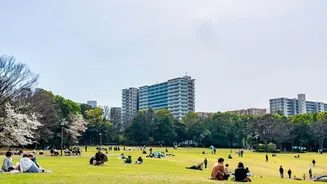
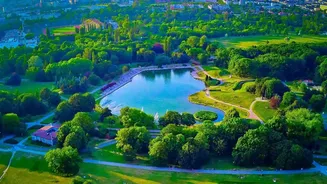
A short walk from the world's busiest train station, Shinjuku Gyoen National Garden is a breathtaking escape. Covering 144 acres, it remarkably combines three distinct garden styles: a traditional Japanese landscape with ponds and pavilions, a formal
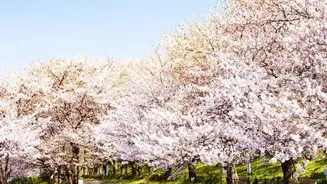
French garden with symmetrical flowerbeds, and a spacious English landscape with wide-open lawns. Originally an imperial garden, it was opened to the public after World War II and has since become a beloved spot for locals and tourists alike. It is particularly famous for its cherry blossom season, featuring over 1,000 trees of various species that extend the viewing period from February to April. Unlike many other parks, alcohol is prohibited, making it a peaceful and family-friendly spot for hanami (flower viewing).
Arashiyama Bamboo Grove, Kyoto
On the western outskirts of Kyoto, the Arashiyama Bamboo Grove offers an experience that is both visually stunning and acoustically unique. Walking the path through the towering stalks of bamboo feels like entering another world. The sound of the wind rustling through the leaves has been recognized by the Japanese Ministry of Environment as one of the "100 Soundscapes of Japan." While entry to the main path is free and open 24 hours, it's best to visit in the early morning or late afternoon to avoid the crowds and fully immerse yourself in the serene atmosphere. The grove is often visited in conjunction with the nearby Tenryu-ji Temple, a World Heritage site whose gardens offer a beautiful contrast to the bamboo forest.
Kenroku-en, Kanazawa
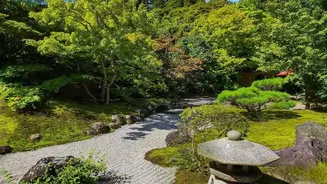
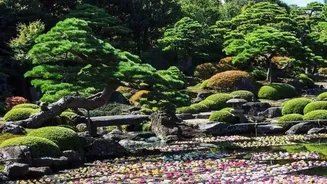
Widely considered one of Japan's "three most beautiful landscape gardens," Kenroku-en is a masterpiece of horticultural art that has been developed over centuries by the powerful Maeda clan. The name means "Garden of the Six Sublimities," referring to the six essential attributes of a perfect garden: spaciousness, seclusion, artifice, antiquity, abundant water, and broad views. Located next to Kanazawa Castle, the garden features a large artificial pond, hills, historic teahouses, and Japan's oldest fountain, which operates by natural water pressure. Every season offers a different kind of beauty, from plum and cherry blossoms in spring to vibrant maples in autumn and snow-dusted pines in winter. It was opened to the public in 1874 and remains a focal point of the city.
Ueno Park, Tokyo
More than just a green space, Ueno Park is one of Tokyo's premier cultural centers. Established as one of Japan's first Western-style parks, its sprawling grounds are home to a remarkable concentration of world-class museums, including the Tokyo National Museum, the National Museum of Nature and Science, and the Tokyo Metropolitan Art Museum. It is also the location of Ueno Zoo, Japan's oldest zoological garden. The park's central path is lined with over 1,000 cherry trees, making it one of the city's most popular and lively destinations for hanami parties in the spring. You can also find tranquil spots like the Shinobazu Pond, with its large lotus bed and the picturesque Bentendo temple hall.
Osaka Castle Park, Osaka
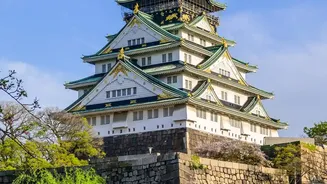
Blending history with urban recreation, Osaka Castle Park is a vast green space in the heart of Japan's third-largest city. The park covers approximately 105 hectares, with the majestic Osaka Castle Tower at its center. While the castle itself is a reconstruction housing a modern museum, the surrounding park is a destination in its own right. It features expansive lawns, moats, and important cultural assets like gates and turrets. The grounds include the Nishinomaru Garden, which is a prime spot for viewing about 300 cherry trees with the castle in the background, and a beautiful plum grove. It's a hub of activity where people come to enjoy sports, music, and simply relax, making it a true urban oasis.