







A Statewide Vision for Connectivity
At the heart of Madhya Pradesh's development strategy is a massive push to enhance its aviation network. The core idea is simple: make it faster and easier to travel within the vast state and connect its cities to the rest of India. This initiative is closely
tied to the central government's UDAN (Ude Desh ka Aam Nagrik) scheme, which aims to make air travel affordable and accessible for the common citizen. The plan involves not just upgrading major hubs but also developing smaller, regional airports from existing airstrips. In August 2026, the Centre approved the first phase of a plan to convert 10 such airstrips into full-fledged airports, with work beginning at five sites, including Singrauli, Sagar, and Neemuch. The goal is to create a robust network that reduces reliance on road and rail for long-distance travel, directly tackling the issue of time.
Gwalior’s New Gateway Takes Off
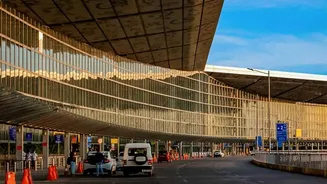
A prime example of this transformation is Gwalior's Rajmata Vijayaraje Scindia Airport. The recently operational new terminal is a game-changer, built to handle up to 1,400 passengers during peak hours, a seven-fold increase in capacity. The sprawling 20,000-square-meter facility is designed for efficiency, dramatically cutting down on processing times for check-in and security. More importantly, the expanded infrastructure allows for more flights and larger aircraft. This has already led to better connectivity with major cities like Mumbai and Ahmedabad, with a flight to the latter now taking just two hours. By accommodating more simultaneous flights, the airport reduces ground delays and enables a smoother flow of traffic, contributing directly to shorter overall journey times for passengers.
Jabalpur's Expanded Hub
Similarly, Jabalpur's Dumna Airport has undergone a significant expansion, positioning it as a key hub for eastern Madhya Pradesh. With a new terminal building inaugurated in March 2024, the airport can now serve 800 passengers at peak times. A crucial part of this upgrade is the extended runway, which is now the second longest in the state. This allows larger aircraft like the Airbus A320 to operate, enabling direct, non-stop flights to major metropolitan areas. For travelers heading to the region's famous national parks like Kanha and Bandhavgarh, this means less time spent on connecting journeys and more time at their destination. The upgrade replaces longer, multi-leg trips with direct flights, fundamentally reducing travel duration.
Rewa Joins the Aviation Map
Perhaps the most impactful development for regional travel is the operationalization of Rewa Airport. Inaugurated in October 2024, this airport connects the previously underserved Vindhya region to the state's air network under the UDAN scheme. What was once a gruelling 8-to-10-hour road journey from major state centres can now be covered in about an hour by air. The airport, built by converting an old airstrip, now supports flights to cities like Bhopal and Indore. This development is a textbook case of how targeted infrastructure can drastically cut travel time, opening up a region for business, tourism, and better access to services like healthcare. For residents and businesses in the Vindhya region, the airport represents a monumental leap in connectivity.
Beyond Speed: Economic and Social Impact
While the primary focus is on reducing travel time, the benefits extend far beyond just speed. The ongoing development, which includes new projects in Ujjain and Shivpuri, is set to boost the state's economy significantly. Improved connectivity makes the state a more attractive destination for investment and tourism, especially for religious sites in Ujjain, which is preparing for the Simhastha festival in 2028. The creation of new airports and the expansion of existing ones generate employment and stimulate local economies. For a landlocked state like Madhya Pradesh, robust air connectivity is also vital for air cargo, enabling faster transport of agricultural products and other goods. Ultimately, by linking its commercial, industrial, and tourist centres more effectively, Madhya Pradesh is laying the groundwork for sustained growth.