





The Unseen Cost of Devotion
For generations, the immersion of Lord Ganesha's idol, or visarjan, has marked the culmination of the festival, symbolising his return to the elements. However, the modern materials used for many idols carry a heavy environmental price. Most commercially
available idols are made from Plaster of Paris (PoP), which is not biodegradable and can take months or even years to dissolve in water. When immersed, these idols settle at the bottom of lakes, rivers, and seas, turning into a solid layer of gypsum paste that hardens the riverbed and obstructs water flow. The issue is compounded by the synthetic paints used for decoration. These often contain toxic heavy metals like lead, mercury, and cadmium. As the PoP slowly breaks down, these toxins leach into the water, poisoning aquatic ecosystems, killing fish, and contaminating the water sources that may be used for drinking and agriculture.
Returning to Nature's Embrace
Choosing an eco-friendly celebration is not about abandoning tradition; it is about embracing its original spirit. Historically, Ganesh idols were made from mud and clay from the backyard, worshipped, and then returned to the earth, completing a beautiful, natural cycle. The modern shift towards sustainable practices is a conscious effort to reconnect with this respectful and harmonious way of worship. By making mindful choices, we honour not just Lord Ganesha but also Prakriti (nature), ensuring that our devotion does not leave a scar on the planet. This approach protects our water bodies and human health while fostering a deeper understanding of the festival's core message of renewal and reverence for life.
Choose a Greener Idol
The heart of a green celebration is the idol itself. The best alternative to PoP is an idol made from Shadu Mati, a natural clay that dissolves completely in water within a few hours. These idols are biodegradable, non-toxic, and their remnants can even enrich the soil in your garden. Artisans are also innovating with other natural materials like red soil, paper mache, and even idols embedded with seeds. These 'plantable' Ganeshas can be placed in a pot and watered, sprouting into a plant that serves as a living reminder of the festival long after it's over. When buying an idol, always ask the artisan about the materials used and opt for those painted with natural dyes like turmeric or rice flour.
Decorate with Natural Beauty
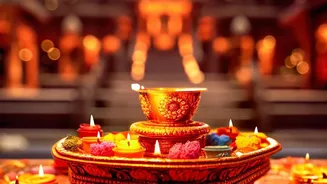
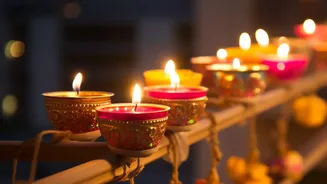
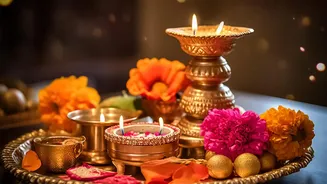
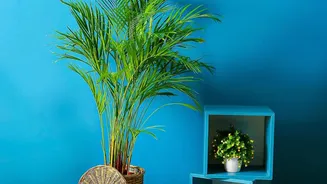
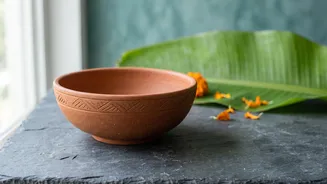
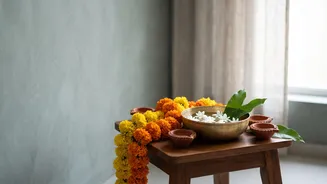
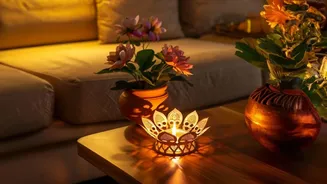
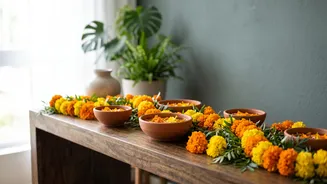
Festival decorations often involve large amounts of plastic and thermocol, which are major pollutants. Instead, let nature's bounty adorn your home. Create a beautiful mandap or backdrop using fresh banana leaves, mango leaves, and colourful dupattas or reusable sarees. Use fresh flowers like marigolds and roses for garlands and rangoli patterns, which can be composted after the festival. Illuminate your space with traditional clay diyas or reusable brass lamps instead of disposable plastic lights. These natural elements not only look beautiful and authentic but also fill your home with a natural fragrance, creating a serene and spiritual ambience without the waste.
Rethink the Visarjan Ritual
The final act of immersion can also be green. Instead of heading to a crowded and often polluted water body, consider a symbolic visarjan at home. A small, eco-friendly idol can be respectfully immersed in a bucket or tub of water on your balcony or in your garden. Within hours, a clay idol will dissolve. This water, now enriched with clay, can be poured into your potted plants, completing the cycle of returning the earth to the earth. Many communities also organise artificial immersion tanks to prevent the pollution of natural water bodies, offering a collective and responsible way to bid farewell to Bappa. If you have a permanent idol made of metal or stone, you can perform a symbolic immersion by sprinkling it with water and then carefully storing it for the next year.