






A New Gateway to the Roof of the World
For decades, the title of India's highest commercial airport has belonged to Kushok Bakula Rimpochee Airport in Leh, sitting at a lofty 10,682 feet. It has served as the primary aerial gateway for tourists flocking to see Ladakh’s serene monasteries and
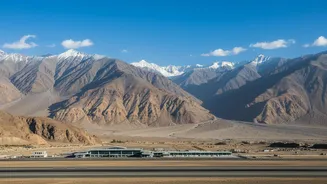
stunning landscapes. However, a new contender for the skies has emerged in eastern Ladakh. The Nyoma airfield, a feat of high-altitude engineering, is situated at an astonishing 13,700 feet. While its primary role is strategic, this new airbase is poised to fundamentally change how we access and experience one of the most remote and beautiful regions on Earth. Its development marks a new chapter for the Changthang plateau, an area known for its nomadic communities and pristine natural beauty.
An Engineering Feat Against the Elements
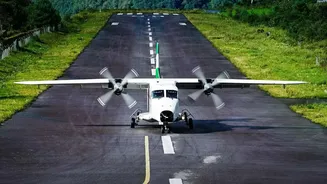
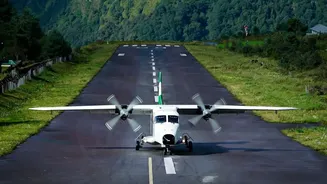
The construction of the Nyoma airbase is a story of human resilience and technical prowess. Spearheaded by the Border Roads Organisation (BRO), the project involved building a 2.7-kilometre paved runway in one of the world's most challenging environments. Engineers and workers battled extreme conditions, with temperatures plummeting far below freezing in winter and a limited working season due to the harsh weather. The air is thin at 13,700 feet, which not only affects human endurance but also the performance of construction machinery. Despite these obstacles, the airfield was developed to accommodate not just helicopters and light transport aircraft, but also heavy-lift planes and fighter jets, making it a critical all-weather asset. This massive undertaking, costing over ₹200 crore, stands as a testament to India's growing infrastructural capabilities in its border regions.
More Than an Airport: A Strategic Shield
The primary driver behind the Nyoma airfield is its immense strategic importance. Located just a few dozen kilometres from the Line of Actual Control (LAC), it significantly enhances the Indian Armed Forces' ability to respond rapidly in the sensitive eastern Ladakh sector. Previously, air assets had to operate from bases further away, like Leh, which meant longer deployment times. Nyoma allows for the quick mobilisation of troops, military equipment, and air power, including fighter jets like the Su-30MKI and heavy transport aircraft like the C-17 Globemaster. Its operationalisation serves as a powerful deterrent and strengthens India’s defensive posture along the frontier, ensuring that the country can better protect its interests in the high Himalayas.
Unlocking a New Tourism Frontier
While you may not be able to book a commercial ticket to Nyoma just yet, its existence is a game-changer for tourism in Ladakh. The airfield is set to unlock the vast potential of the remote Changthang region, which has until now been difficult for the average traveller to access. This development is expected to create a new tourist circuit, drawing visitors to the pristine landscapes of eastern Ladakh, including areas near Pangong Tso, Chushul, and the stargazing paradise of Hanle. The improved accessibility will likely foster a new ecosystem of homestays and local businesses, providing a vital economic boost to the region's residents. It promises a more sustainable and distributed model of tourism, taking pressure off the well-trodden paths around Leh and offering adventurers a chance to experience a wilder, more untouched side of Ladakh.