





A Trusted Household Tradition
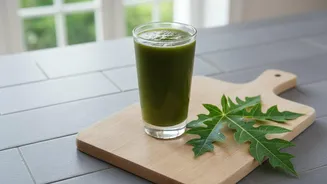
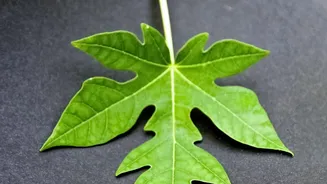
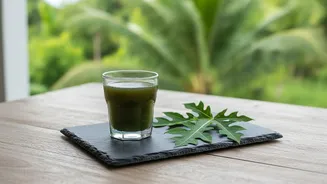
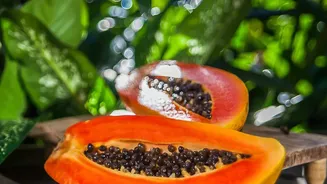
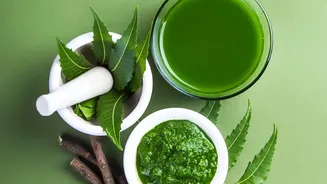
In countless Indian homes, the first sign of dengue fever often triggers a rush to find fresh papaya leaves. The bitter green juice, usually prepared by crushing the leaves, has become a deeply entrenched folk remedy. This tradition is born from a desire
for a natural, accessible cure for a frightening illness known for causing a sharp drop in blood platelets. The belief is straightforward: drinking the extract will rapidly increase platelet numbers and help fight off the disease. Given that there is no specific antiviral drug for dengue, patients and their families often turn to such traditional methods in the hope of a swift recovery, making papaya leaf extract a go-to solution passed down through generations.
The Platelet Count Conundrum
The central claim is that papaya leaf extract increases platelet counts, and on this front, there is some supportive evidence. Several clinical studies and reviews have observed that patients given papaya leaf extract (in juice, tablet, or capsule form) tend to show a faster increase in their platelet counts compared to those who did not receive it. Some research suggests compounds in the leaves may stimulate the genes responsible for platelet production. One meta-analysis of multiple trials concluded that the extract was associated with a significant rise in platelets. However, the scientific community notes that while this effect is observed, the increase may not always be large enough to be considered clinically significant on its own. The evidence is promising, but often comes from small-scale studies that need further validation.
Beyond Platelets: The Full Picture of Recovery
Here is where the headline's crucial distinction comes in. While platelets are an important marker, they are not the only measure of dengue recovery. The primary goal of dengue management is to prevent severe complications like Dengue Haemorrhagic Fever (DHF) or Dengue Shock Syndrome (DSS), which are caused by plasma leakage and can be life-threatening. A patient’s overall outcome depends on managing symptoms, maintaining hydration, and preventing these severe developments. The evidence on whether papaya leaf extract improves these critical outcomes is mixed and less conclusive. While some studies have reported a reduction in hospital stay duration and a lower incidence of developing DHF in patients taking the extract, others call for more robust, large-scale trials to confirm these benefits. Focusing solely on the platelet count can provide a false sense of security, distracting from the comprehensive supportive care that is essential for a safe recovery.
What Doctors and Health Guidelines Advise
The medical consensus is clear: papaya leaf extract is not a cure for dengue and should never replace conventional medical treatment. Medical professionals and health bodies, including the Indian Medical Association, emphasize that the cornerstone of dengue management is supportive care: ensuring adequate fluid intake to prevent dehydration, managing fever with paracetamol (and avoiding other painkillers that can increase bleeding risk), and careful monitoring for warning signs. While some doctors may not object to patients using the extract as an adjunctive or supplementary therapy, it is universally advised against relying on it solely or delaying a hospital visit. If a patient's platelet count drops to dangerously low levels, medical interventions like a platelet transfusion may be necessary, something no home remedy can provide.