


Setting the Record Straight
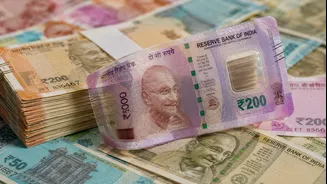
Let's clear up the confusion. While it's true that the Reserve Bank of India has not announced an immediate, full-scale replacement of all paper currency with polymer notes, recent developments confirm that plastic money is no longer just a talking point.
On August 5, 2026, RBI Governor Sanjay Malhotra announced plans to introduce polymer banknotes into circulation on a pilot basis. This move confirms that after years of speculation and a previously stalled attempt, the central bank is actively pursuing plastic currency. However, the initial phase is explicitly a limited trial, not a comprehensive, multi-denomination rollout. So, while the headline is technically correct that a 'wider' rollout hasn't been announced, the real story is that a significant first step has been taken.
A Trial, Not a Takeover
The scope of this new initiative is carefully defined. The government has approved the RBI's proposal for a field trial involving one billion pieces each of ₹10 and ₹20 polymer banknotes. The focus on these lower denominations is deliberate. These notes change hands frequently, leading to more wear and tear, making them ideal candidates to test the durability of polymer. Officials have been clear that this is a test to see how the notes perform in diverse Indian climatic conditions and within the existing cash infrastructure. These new plastic notes will circulate alongside their paper counterparts; there is no plan to withdraw paper currency. A decision on any wider adoption will only come after the results of this large-scale experiment are thoroughly evaluated.
Why Plastic? The Official Reasoning
The primary driver for this shift is durability. According to the RBI, polymer banknotes are expected to last between two to four times longer than the current cotton-substrate notes. This is especially relevant for lower-value notes, which have a high circulation velocity and a shorter lifespan. A longer life means lower replacement costs for the central bank over time. The second major benefit cited is security. Polymer allows for advanced anti-counterfeiting features, such as transparent windows and complex holographic elements, that are difficult to replicate on paper. Finally, plastic notes are cleaner as their non-porous surface resists moisture and dirt better than paper, a significant advantage in a cash-intensive economy.
India's First Plastic Rupee Experiment
This isn't India's first foray into polymer currency. Back in 2012, the RBI announced a similar field trial for ₹10 plastic notes in five cities: Kochi, Mysuru, Jaipur, Shimla, and Bhubaneswar, chosen for their varied climates. However, that project was eventually abandoned. Reports from the time suggest the trial ran into several hurdles, including technological challenges with material testing, issues with ink wear in extreme weather conditions, and incompatibility with existing ATM machines, which struggled to dispense the thinner, more slippery notes. This history explains the cautious and measured approach the RBI is taking this time, with extensive testing planned before any larger commitment is made.
What to Expect Next
The RBI is targeting the beginning of the next financial year (starting April 2027) to get the first polymer notes into circulation, provided everything goes according to plan. The process has already begun, with the RBI's printing subsidiary floating a global tender for the polymer substrate sheets. These materials will need to pass rigorous security clearances before being used to print the new notes. Once printed, the notes will be distributed for the field trial, where their performance will be closely monitored. For the average person, this means you might start seeing the new plastic ₹10 and ₹20 notes in the latter half of 2027, but your wallet will likely contain a mix of paper and plastic for the foreseeable future. Higher denomination notes are not part of this trial.