







The ‘Less is More’ Festival Philosophy
The magic of a monsoon festival—be it the devotion of Teej, the colours of Onam, or the energy of Ganesh Chaturthi—is undeniable. The aroma of fresh street food mixes with the scent of rain-soaked earth, and communities come together to celebrate. However,
the reality often involves sensory overload, fatigue, and the risk of falling ill. A smaller-serving strategy is a mindful approach to navigating this joyous chaos. It isn’t about missing out; it’s about curating your experience to prioritise quality over quantity. Instead of trying to do, see, and eat everything, you focus on smaller, more meaningful engagements. This philosophy can be applied to your food choices, your schedule, and even the events you choose to attend, leading to a richer, safer, and more memorable celebration.
Applying the Strategy to Festival Food
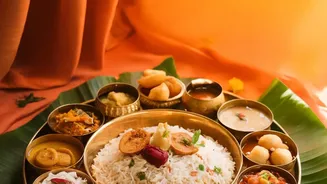
Festival food is a highlight, but it's also a common source of trouble during the monsoon. Increased humidity and moisture create ideal breeding grounds for bacteria, making street food a particular risk. Instead of committing to a large meal from one vendor, think like a food critic on a tasting tour. Share a plate of freshly fried, piping hot pakoras from a vendor who maintains visible hygiene. Opt for a small portion of roasted corn (bhutta) instead of a chaat with uncooked chutneys and potentially unsafe water. This approach has two key benefits. First, it minimises your risk. You’re consuming food that has just been cooked at a high temperature, which is far safer. Second, it allows you to sample a wider variety of treats without getting overly full or exposing yourself to a large portion of something that might disagree with you. Always carry your own or buy sealed bottled water, and skip pre-cut fruits.
Curating Your Time and Energy
Large festivals can be physically and mentally draining. The sheer number of people, the noise, and the constant movement can lead to exhaustion. Applying a smaller-serving strategy to your schedule means ditching the marathon mindset. Instead of planning to spend eight hours trying to absorb everything, opt for a shorter, more focused visit of two to three hours. Arrive with a clear intention: perhaps you want to witness a specific ritual, see a particular performance, or simply soak in the atmosphere of a certain area. This focused approach prevents you from wandering aimlessly and depleting your energy. You’ll leave feeling energised and fulfilled rather than tired and overwhelmed. For multi-day festivals, consider visiting on a weekday or during off-peak hours if possible, when crowds are likely to be thinner.
Choosing Smaller, More Intimate Events
While massive, city-wide celebrations get the most attention, the monsoon season is also filled with countless smaller, local festivals. These often provide a more intimate and authentic experience. The crowds are more manageable, creating a stronger sense of community where you might even run into the same people multiple times. Logistically, they are far simpler—less traffic, easier parking, and shorter walks. These smaller events, whether it's a neighbourhood Hareli celebration in Chhattisgarh or a local Teej gathering in Rajasthan, are a fantastic way to connect with the cultural heart of the season without the stress of a mega-event. You get to appreciate the traditions up close, support local artisans and performers, and create connections in a less chaotic environment. It's a perfect example of how a smaller serving can be far more satisfying.