






An Enduring Colonial Blueprint
Born from the British desire to escape the searing heat of the plains, hill stations were designed as 'little Englands' nestled in the Himalayas. Places like Shimla, once the summer capital of British India, were meticulously planned to recreate a sense
of home, complete with familiar architecture and social structures. This colonial blueprint is the very soul of these towns. While the era of the Raj has long passed, its physical legacy remains in the form of neo-Gothic spires, Tudorbethan-style homes, and grand administrative buildings that continue to define the town's character and charm.
Sanctuaries of Faith and Time
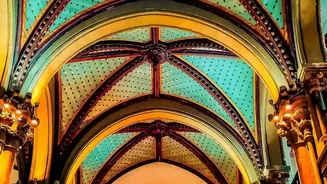
The churches are often the most visible landmarks, their spires reaching for the mountain skies. Christ Church on Shimla's Ridge is a perfect example. Consecrated in 1857, it is the second oldest church in North India. Designed by Colonel J.T. Boileau in the neo-Gothic style, it was built to serve the Anglican British community. Its distinctive yellow facade, towering spire, and exquisite stained-glass windows depicting virtues like Faith, Hope, and Charity, make it an architectural marvel. These churches were more than just places of worship; they were the epicentres of the British community, and today they stand as serene testaments to a bygone era, drawing visitors of all faiths.
Bastions of Power and Leisure
If churches were the spiritual heart, the clubs were the social and political nerve centres. Institutions like the Shimla United Services Club, established in 1844, were exclusive domains for military officers and high-ranking civil servants. These were places where policies were debated over billiards, and alliances were forged during formal dinners. With grand ballrooms, extensive libraries, and tennis courts, these clubs offered a space for relaxation and socialising, strictly mirroring the hierarchies of the colonial administration. Though their original membership has long since departed, many of these clubs, or the buildings they occupied, survive as heritage sites, offering a fascinating glimpse into the structured leisure of the colonial elite.
Homes That Tell a Story
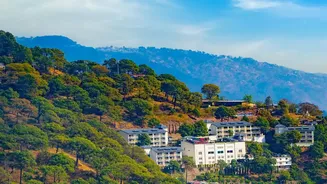
Dotted along the winding roads and perched on hillsides are the residential cottages that complete the architectural trio. With their gabled roofs, stone facades, and charming names like 'Pinewood Rest' or 'Eagle's Retreat', these homes were the quintessential symbols of the hill station lifestyle. Built in styles ranging from Mock Tudor to Swiss Chalet, they were designed to be idyllic summer homes, surrounded by manicured gardens. Unlike the grand public buildings, these cottages represented the private life of the British, a cherished escape. Today, many of these historic homes have been converted into heritage hotels or remain as private residences, each stone and wooden beam holding stories of the families who lived there.