


The Proposal: A Lower-Ethanol Lifeline?
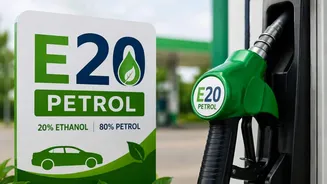
With E20 petrol (a blend of 20% ethanol and 80% petrol) now the standard across India, concerns have grown for owners of vehicles manufactured before April 2023. These cars and bikes were designed for pure petrol or, at most, E10 (10% ethanol). In response
to these concerns, a high-level discussion has begun within government circles. The idea is to make E10 fuel available again, specifically for this large fleet of older vehicles. Proponents, including the Chief Economic Adviser V Anantha Nageswaran, argue this would protect consumers' assets from potential long-term damage while the nation pursues its broader green energy goals. However, as the headline suggests, this remains a concept without a concrete plan or official green light.
Why Older Vehicles Struggle with E20
The main issue lies in material compatibility and engine design. Ethanol is more corrosive than petrol and can degrade rubber and plastic components like fuel lines, seals, and gaskets in vehicles not specifically designed for it. This is especially true for pre-BS-IV vehicles (made before 2017), many of which use carburettors. A carburettor cannot adjust the fuel-air mixture to account for the extra oxygen in E20, causing the engine to run hotter and risk damage. Newer vehicles, particularly those manufactured after April 2023, are E20-compliant, with fuel systems built from materials that can handle the higher ethanol blend. For older vehicles, the shift to a mandatory E20 blend has raised fears of increased maintenance costs and a drop in fuel efficiency, as ethanol has a lower energy density than petrol.
The Big Hurdle: Logistics and Cost
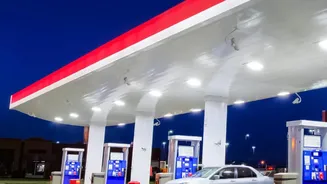
Reintroducing E10 alongside the existing E20 network is a massive logistical challenge. The Petroleum Ministry has previously stated that creating and maintaining parallel supply chains for different fuel grades is not feasible. It would require separate storage tanks at depots and over 100,000 retail outlets, plus dedicated transportation to prevent cross-contamination, all of which would increase costs. While oil marketing companies like BPCL have stated they could switch from E20 to E10 if required, they acknowledge that supplying both simultaneously would be a major operational hurdle. The entire distribution network has already been transitioned to handle E20, making a reversal or addition a complex and expensive affair.
A Possible Workaround: E10 as a Premium Fuel
To bypass the logistical nightmare of a full-scale E10 rollout, one idea being explored is to offer E10 through existing premium fuel channels. This would involve selling a 10% ethanol blend as a higher-octane, premium-priced product, like Indian Oil's XP95 or BPCL's Speed. This would give concerned owners of older vehicles a safer option without requiring a massive infrastructure overhaul, as premium fuels already use separate tanks and dispensers at many outlets. The key question, however, is whether consumers would be willing to pay a premium price for a lower-ethanol blend, especially when E20 is already criticised for offering slightly lower mileage for the same price as older, more energy-dense petrol.