



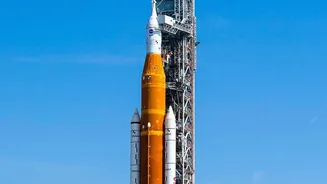
The age of brief, Apollo-style visits to the Moon is over. NASA is now focused on something far more ambitious: staying there. The Artemis program is not just about planting flags; it's about building a permanent foothold on another world.
A New 'Surface-First' Strategy
For more than
half a century, human exploration of the Moon was defined by short, daring trips. The Artemis program aims to change that narrative entirely. Instead of quick sorties, NASA's vision is one of a 'sustained presence' — a long-term human and robotic settlement on the lunar surface. In a significant strategic shift announced in March 2026, NASA decided to sideline its long-planned Lunar Gateway, an orbiting space station, to prioritize the development of a surface-first approach. This means resources are being redirected toward establishing a functional Moon base, designed to accelerate timelines and reduce the complexity of getting astronauts to the surface. The goal is to build an enduring outpost for science, exploration, and ultimately, to prepare for humanity's next giant leap to Mars.
The Artemis Base Camp
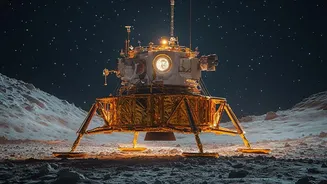
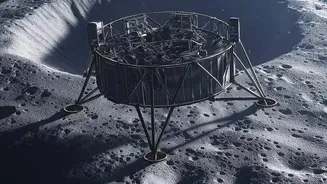
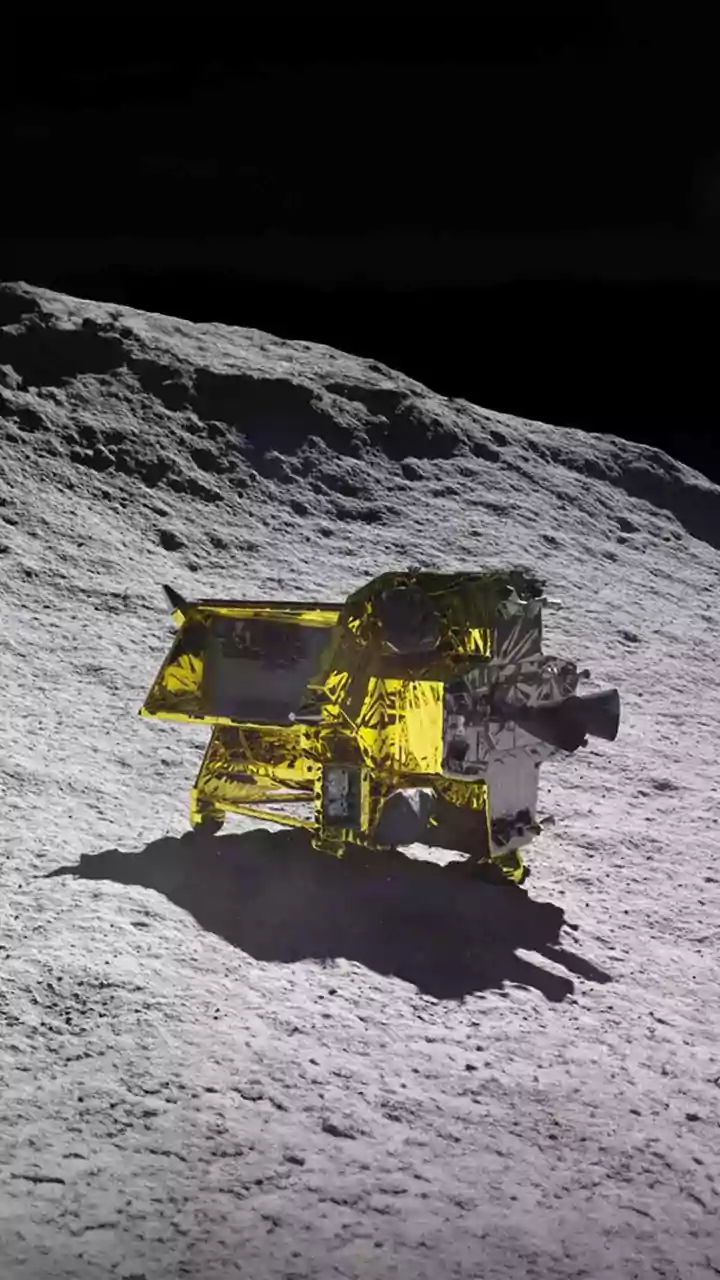
The heart of this new lunar strategy is the Artemis Base Camp, envisioned as humanity's first permanent home on another celestial body. Located near the Moon's South Pole to access potential water ice deposits in permanently shadowed craters, the base will be a hub of activity. The concept includes a Foundation Surface Habitat, a modern lunar cabin that could house up to four astronauts for stays of a month or more. To support these long-duration missions, the base will rely on a suite of advanced technologies, including power systems, rovers for transport, and equipment for construction and resource utilization. Initial robotic missions, some slated for late 2026, are already laying the groundwork by testing landing systems and scouting the terrain.
Living off the Land
A key element for making a lunar base sustainable is the ability to use local resources, a practice known as in-situ resource utilization (ISRU). Transporting every drop of water, kilogram of oxygen, and liter of fuel from Earth is incredibly expensive and inefficient. Therefore, a major goal of the Artemis program is to learn how to 'live off the land'. NASA and its commercial partners are developing technologies to extract resources like hydrogen, oxygen, and even helium-3 from the lunar soil, or regolith. The VIPER rover, planned for a 2027 mission, will be sent to the South Pole specifically to map the distribution of water ice, a resource that could be converted into breathable air, drinkable water, and rocket propellant. Success in ISRU is seen as essential for long-term exploration.
An International and Commercial Effort
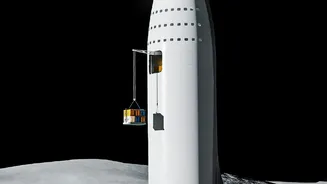
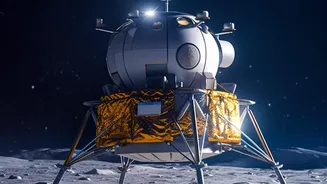
NASA is not going back to the Moon alone. The Artemis program is explicitly designed as a broad, international coalition. Through the Artemis Accords, a set of principles for peaceful space exploration, dozens of countries have signed on to participate, creating the most diverse international space exploration effort in history. International partners like the European Space Agency (ESA), Japan's JAXA, and the Canadian Space Agency (CSA) are contributing key hardware and expertise. Furthermore, NASA is heavily relying on commercial partners like SpaceX and Blue Origin to build the human landing systems and deliver cargo, fostering a new lunar economy. This collaborative approach pools resources, shares costs, and unites global expertise for a common goal.
The Road to Mars Begins Here
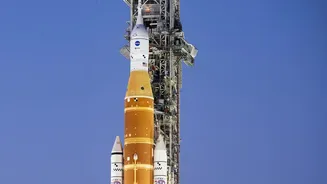
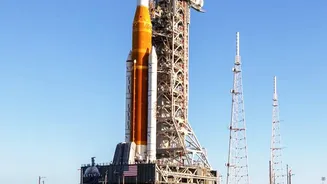
The ultimate goal extends far beyond our nearest celestial neighbor. For NASA, the Moon is a crucial proving ground for the much more challenging endeavor of sending humans to Mars. Learning to live and work for long periods in the harsh lunar environment, mastering ISRU technologies, and managing a remote outpost 240,000 miles from home will provide invaluable experience. The challenges of a mission to Mars—from radiation exposure to life support systems and psychological strain—can be tested and mitigated on the Moon first. After a successful crewed flyby with Artemis II in April 2026, the updated plan sees Artemis IV targeting the first human landing of the program by 2028, setting the stage for building the base and looking toward the Red Planet.