




A Different Pace, A Deeper Connection
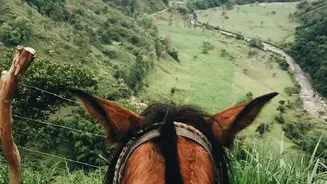
Traveling by horse changes your perspective. The gentle rhythm of hoofbeats on a centuries-old path connects you to the landscape in a way no other mode of transport can. You are not merely observing the scenery; you are part of it. This slower pace allows
for a more profound appreciation of Portugal's diverse environments, from the sun-drenched cork forests of the Alentejo region to the rugged mountains of Peneda-Gerês National Park. Instead of rushing between sites, you experience the distances and the terrain as generations of travellers, farmers, and soldiers once did. This immersive experience is the core of what makes equestrian tourism in Portugal so special; it's an expression of cultural identity.
Riding a Living Legacy: The Lusitano Horse
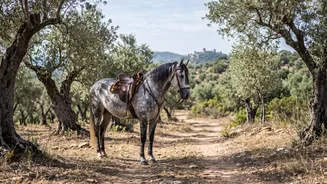
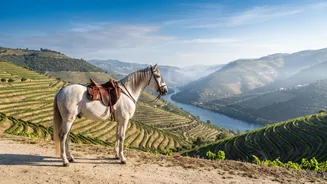
Central to Portugal's equestrian heritage is the magnificent Lusitano horse. This ancient breed, native to the Iberian Peninsula, is one of the oldest saddle horses in the world. Originally bred for war, classical dressage, and farm work, the Lusitano is celebrated for its intelligence, courage, and gentle nature. Riding a Lusitano is to ride a piece of living history; their ancestors were the preferred mounts of Roman legions and Portuguese royalty. King João V even founded the Alter Real Stud Farm in 1748 to perfect the breed, a farm that remains the world's oldest still operating at its original location. These horses are not just a means of transport but are cultural ambassadors, deeply intertwined with the nation's identity.
Trails Through History and Nature
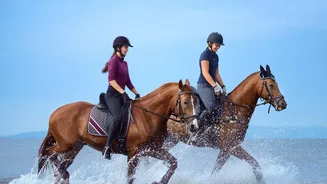
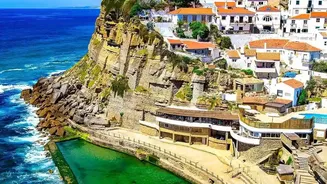
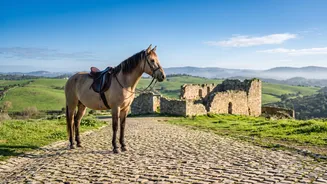
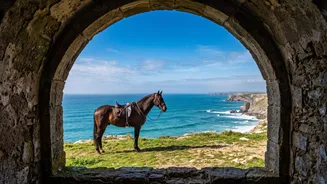
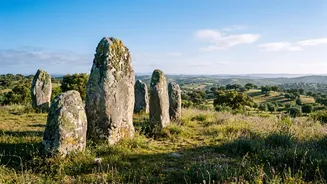
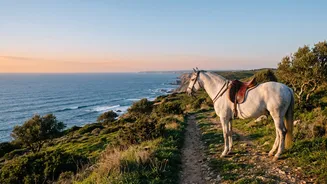
Horseback tours in Portugal often follow trails that are steeped in history. You can ride along sections of ancient Roman roads, follow paths used by knights and pilgrims, or trace routes that once connected remote medieval villages. In the Alto Alentejo region, for instance, trails lead you past Neolithic monuments and hilltop castles like the one in Monsaraz, offering sweeping views of the landscape. In the north, you can explore Peneda-Gerês National Park, a wild landscape home to the rare, semi-wild Garrano horse. Other routes take you along the stunning Alentejo coast, through fragrant eucalyptus forests, past sprawling vineyards, and onto deserted Atlantic beaches.
More Than a Ride: An Immersion in Culture
The experience extends far beyond the saddle. Many equestrian holidays offer accommodation in traditional quintas (country estates) or restored stone hamlets, allowing you to immerse yourself in rural Portuguese life. Evenings are often spent enjoying local cuisine and wine, sharing stories with guides whose families have lived in the region for generations. This isn't a sanitized tourist experience; it is an authentic cultural exchange. Operators offer tours for all skill levels, from beginners who want a gentle ride by the sea to experienced riders seeking advanced dressage training. By choosing a horseback tour, you support the preservation of both the Lusitano breed and the traditional horsemanship that was recently recognized by UNESCO as part of Portugal's Intangible Cultural Heritage.