


The Peppery Crunch of the Radish
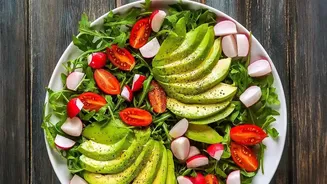
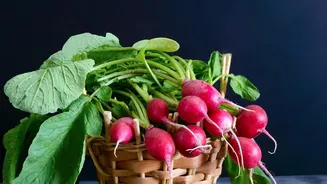
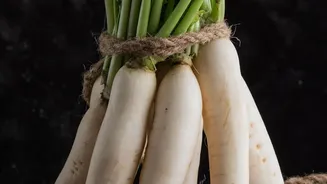
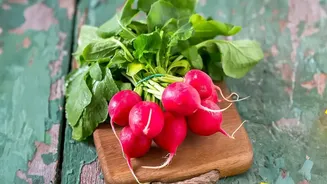
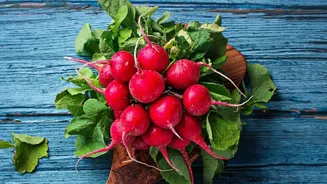
Often relegated to a simple salad garnish, the radish is a versatile vegetable with a delightfully crisp texture and a peppery bite. Available in various colours, from classic red and white to black and purple, radishes are low in calories and carbohydrates
but offer a surprising nutritional boost. They are an excellent source of Vitamin C, an antioxidant essential for immune function and skin health. Radishes also provide potassium and calcium, which are important for regulating blood pressure and maintaining bone health. Their high fibre content aids digestion, helping you feel full and supporting a healthy gut. The chemical compounds in radishes are also being studied for their potential to help manage blood sugar levels.
The Sweet, Earthy Beetroot
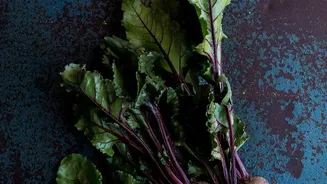
With its deep, jewel-toned colour, the beetroot brings an earthy sweetness to the table. Beyond its vibrant hue, beetroot is a nutritional powerhouse. It is particularly rich in folate (Vitamin B9), which is crucial for cell growth and function and can help reduce the risk of heart disease and stroke. Beetroots are also a good source of iron, potassium, and magnesium. One of their most noted benefits comes from their high concentration of natural nitrates. The body converts these nitrates into nitric oxide, which helps relax and widen blood vessels, potentially lowering blood pressure and improving blood flow. They are also packed with antioxidants called betalains, which may help reduce inflammation.
A Nutritional Snapshot
So how do they stack up against each other? If you're looking for a low-calorie crunch, the radish is the winner, containing significantly fewer calories and carbohydrates than beetroot. Radish is also much higher in Vitamin C. On the other hand, beetroot takes the lead in several other areas. It is richer in fibre and contains more folate, iron, and potassium. Beetroot also contains Vitamin E, which is absent in radishes. Ultimately, both vegetables offer distinct and valuable nutritional profiles, making them complementary additions to a balanced diet rather than competitors.
Beyond the Salad Bowl
While both are excellent raw in salads, cooking transforms them in wonderful ways. Roasting is a fantastic method for both vegetables. When roasted, the radish's sharp, peppery flavour mellows into a subtle sweetness, with a texture somewhere between a turnip and a water chestnut. Roasting beetroot caramelizes its natural sugars, deepening its sweet, earthy taste. You can easily roast them together with some olive oil, salt, and pepper for a simple, colourful side dish. Don't forget about pickling or fermenting, which creates a tangy, probiotic-rich snack. They can also be grated into slaws, blended into soups, or juiced for a nutrient-dense drink.
Don't Forget the Greens
In the spirit of reducing food waste and getting more nutritional bang for your buck, don't throw away the leafy tops. Both beet greens and radish leaves are edible and packed with nutrients. Beet greens can be used much like spinach or chard—sautéed with garlic or added to soups and omelets. Radish leaves have a peppery kick and can be blended into pesto, added to salads, or sautéed for a quick, flavourful side. Using the entire vegetable from root to leaf is a simple way to introduce new textures and flavours into your cooking.