



Understanding the TasteAtlas Ranking
First, what exactly is TasteAtlas? It's not a panel of Michelin-star judges but an online 'experiential travel guide' that catalogues traditional dishes, local ingredients, and authentic restaurants from around the world. Its annual awards are generated
from hundreds of thousands of user ratings submitted throughout the year. For its latest list, TasteAtlas analyzed over 395,000 valid dish ratings and 115,000 food product ratings to determine the final order. The goal is to capture what real people are eating and enjoying, moving the focus away from exclusive fine-dining establishments. The final score for each country is an average of the ratings for its most popular and best-rated dishes and food products.
The Cuisines That Topped the List
So, who claimed the top spots? Italian and Japanese cuisines shared the lead, celebrated for dishes like pizza, pasta, and sushi. They were closely followed by Greece, Portugal, and China. These countries consistently perform well in TasteAtlas rankings, praised for their fresh ingredients and rich culinary heritage that is celebrated by both locals and tourists. The top of the list often features Mediterranean cuisines, known for their healthy and flavourful profiles, as well as East Asian food cultures with their global appeal. The presence of such culinary giants at the top provides some context for where Indian cuisine was placed in this global survey.
India's Culinary Highlights
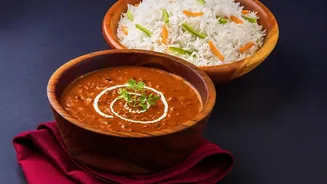
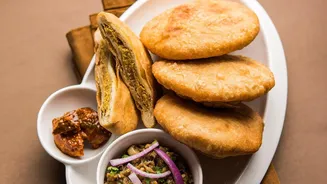
While the overall rank of 13th has been the subject of debate, the data does highlight some beloved Indian culinary champions. According to TasteAtlas users, Indian breads are a global force. Butter Garlic Naan and Amritsari Kulcha have been ranked as some of the best breads in the world. Dishes like Murgh Makhani (Butter Chicken), Hyderabadi Biryani, and spices like Garam Masala also received high praise and were listed as 'must-try' items for anyone exploring Indian food. These ratings show that while the overall average placed India at 13th, individual components of its cuisine are recognized as world-class, celebrated for their complex flavours and comforting appeal.
The Great Ranking Debate
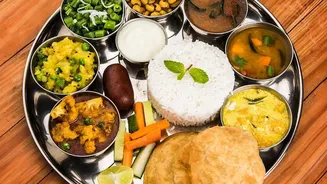
Almost as soon as the list was published, discussions erupted online. For a country with an unparalleled diversity of regional cuisines—from the rich curries of the north to the coastal flavours of the south, and the unique dishes of the east and west—can a single number ever do it justice? Critics of the list often point out the impossibility of such a task. How can one average score capture the difference between a delicate Bengali macher jhol and a fiery Rajasthani laal maas? The methodology, based on user votes, can also be skewed towards dishes that are more internationally well-known. This often leads to a simplified representation of a country's food culture, leaving many regional treasures uncounted.
Beyond the Numbers Game
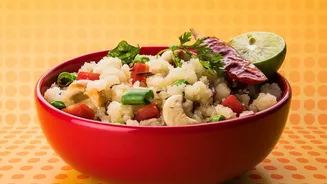
Ultimately, lists like these are conversation starters, not definitive judgments. The global influence of Indian food is undeniable, from the fine-dining restaurants in London and New York to the bustling street food stalls in Mumbai and Delhi. The true essence of Indian cuisine lies in its diversity, the stories behind family recipes, and the daily ritual of millions. It’s a culinary tradition that is constantly evolving, with a richness that can’t be fully captured by an online poll. The fact that dishes like upma and aloo baingan have previously appeared on a 'worst-rated' list shows just how subjective and sometimes puzzling these rankings can be.