



The Cardio Kickstart: Getting Started with Running
Running is one of the most accessible forms of cardiovascular exercise. It improves heart health, builds endurance, and can elevate your mood. For a beginner, the key is to start slowly to build confidence and avoid injury. Forget about speed or distance
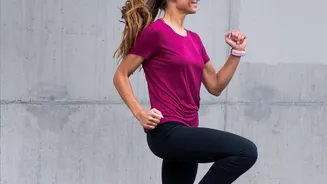
at first; focus on consistency. A popular and effective method is the run-walk approach. Start your session with a brisk five-minute walk to warm up. Then, alternate one minute of jogging with two minutes of walking. As you get stronger, you can gradually increase the running intervals. It’s important to run at a conversational pace, meaning you should be able to hold a conversation without gasping for air. Investing in a good pair of running shoes and comfortable clothing can also make the experience much more enjoyable.
The Strong Foundation: Understanding Pilates
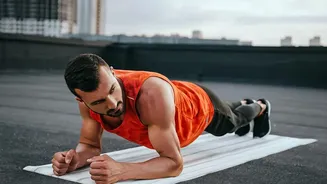
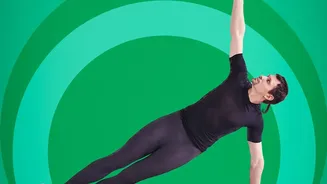
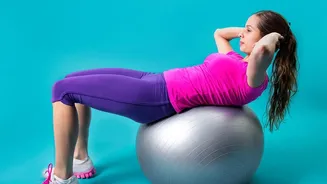
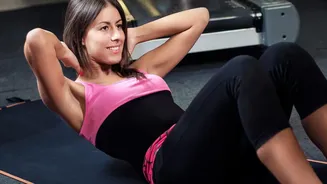
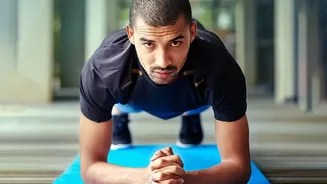
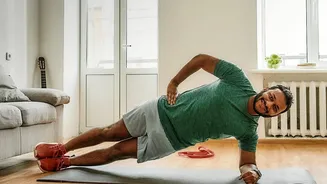
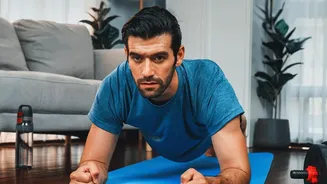
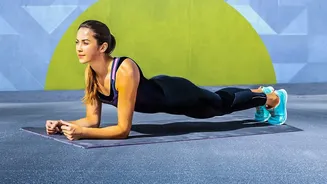
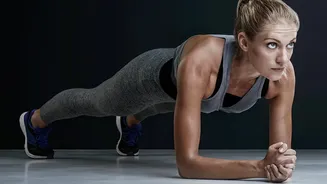
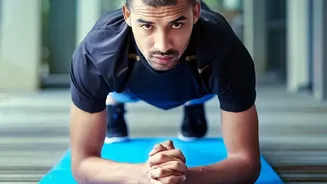
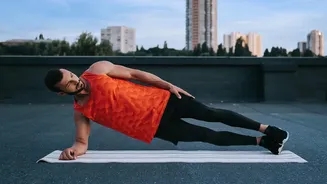
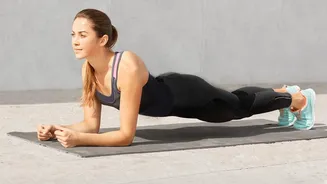
Pilates is a low-impact form of exercise that focuses on building deep core strength, improving posture, and increasing flexibility. Developed as a system of movements that can be done on a mat or specialized equipment, it is designed to strengthen and stabilize the body from the inside out. Don't mistake its gentle nature for being easy; Pilates challenges muscles you may not be used to working. The core principle lies in controlled movements synchronised with your breath. This mindful approach helps build body awareness, allowing you to move more efficiently not just during exercise, but in everyday life. For beginners, it's an ideal counterpart to running because it strengthens the supporting muscles around your joints without putting stress on them.
Better Together: How Pilates Powers Your Run
The real magic happens when you combine these two disciplines. Running is a repetitive, high-impact activity. Pilates helps counteract the stresses of running by building a strong, resilient 'inner armour'. A strong core, which is the primary focus of Pilates, is crucial for maintaining good running form, especially as you start to get tired. It stabilizes your pelvis and torso, which helps you run more efficiently and reduces wasted energy. Furthermore, Pilates improves flexibility in key running muscles like the hamstrings and hip flexors. This increased range of motion can lead to a more fluid and efficient stride. The breathing techniques learned in Pilates also teach you how to use oxygen more effectively, which can enhance your stamina during longer runs.
A Balanced Approach to Injury Prevention
One of the biggest hurdles for new runners is injury. Issues like shin splints, runner's knee, and IT band syndrome are common when the body isn't prepared for the impact of running. This is where Pilates becomes an invaluable tool for injury prevention. By strengthening the smaller, stabilizing muscles in the hips, glutes, and ankles, Pilates ensures your joints are properly supported. It corrects muscular imbalances that are often the root cause of poor running mechanics. A balanced body with proper alignment is better equipped to handle the load of running, significantly reducing your risk of getting sidelined with an injury. Think of it as building a solid foundation before putting up the walls of a house; Pilates provides that essential groundwork for a long and healthy running habit.
Your First Week: A Sample Beginner's Schedule
Putting it all together doesn't have to be complicated. The goal is to create a sustainable routine that allows for both activity and recovery. Here is a simple, effective schedule to get you started: Day 1: Run-Walk Session (20-30 minutes) Day 2: Beginner Pilates (20-30 minutes, focus on mat basics) Day 3: Active Recovery (light walk or stretching) Day 4: Run-Walk Session (20-30 minutes) Day 5: Beginner Pilates (20-30 minutes) Day 6: Rest or gentle activity like a walk Day 7: Rest This schedule gives your body time to adapt to the new demands of running while using Pilates to build strength and aid recovery. Always listen to your body; if you feel pain, take an extra rest day. Consistency is more important than intensity when you're just starting out.