





The Digital Tsunami Driving Demand
India is in the midst of a digital revolution, and data is the new oil. The country's appetite for data is insatiable, driven by a billion-plus internet users, the rapid rollout of 5G, and a booming digital economy valued at over ₹32 lakh crore. From
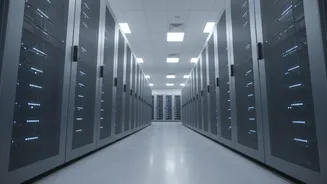
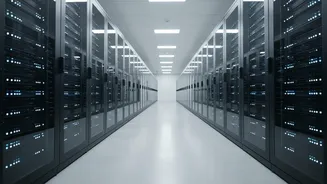
e-commerce and fintech to the rise of Artificial Intelligence (AI) and cloud computing, every click, swipe, and stream generates vast amounts of information that needs to be stored, processed, and accessed instantly. This explosion in data consumption is fuelling an unprecedented demand for data centres—the physical brains of our digital world. Forecasts predict India's data centre capacity will surge from around 2.2 GW in 2025 to over 12 GW by 2030, a more than five-fold increase. This growth is further propelled by government policies like data localisation, which mandates that Indian user data be stored within the country, making domestic data centres a critical national infrastructure.
Maharashtra's Undisputed Leadership
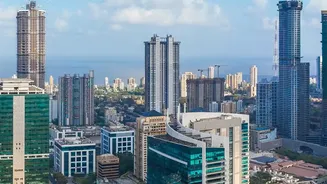
When it comes to data centres in India, all roads lead to Maharashtra, specifically the Mumbai Metropolitan Region (MMR). The state currently hosts the lion's share of India's data centre capacity, with some estimates putting its share at over 50%. Mumbai’s dominance is no accident. Its strategic coastal location makes it a primary landing point for numerous international subsea fibre-optic cables, which are the superhighways of the internet. This provides the low-latency connectivity essential for high-speed data transfer. Furthermore, the city’s status as India's financial capital means a high concentration of banking, financial services, and corporate clients with immense data needs. The state government has aggressively courted investment, offering incentives and fast-tracking approvals. This has resulted in staggering investment commitments, with plans underway to make MMR a 3 GW data centre hub, potentially accounting for 60% of India's total capacity.
Tamil Nadu's Strategic Ascent
While Maharashtra is the established leader, Tamil Nadu, with Chennai as its hub, is rapidly emerging as a formidable competitor. Chennai offers a compelling combination of advantages that mirror Mumbai's success. It is the country's secondary hub for submarine cable landings, offering vital connectivity to Southeast Asian markets. The state has also been proactive, launching its own Data Centre Policy back in 2021 to attract investors. This policy provides a suite of incentives, including subsidies on land and power, and streamlined clearance processes. The government has made its ambition clear: to position Tamil Nadu as a top data centre destination by providing an attractive business environment. The results are showing, with major global and domestic players like AdaniConneX and others setting up large-scale campuses, drawn by the state's strong manufacturing base, skilled workforce, and growing renewable energy capacity.
The Real-World Economic Impact
The data centre boom is about much more than just real estate and servers; it's a powerful engine for economic growth. Each new data centre requires massive capital investment, often running into thousands of crores, creating a ripple effect across the economy. These projects generate thousands of jobs, from the construction phase to the highly skilled engineers and technicians needed for long-term operations. The presence of robust digital infrastructure also creates an ecosystem that attracts other tech-driven businesses, from cloud service providers to AI startups. For states like Maharashtra and Tamil Nadu, this translates into a stronger industrial base, higher revenues, and a reputation as a modern, business-friendly destination. This growth is attracting significant foreign capital, further boosting the national economy and cementing India's position on the global tech stage.
Challenges on the Horizon
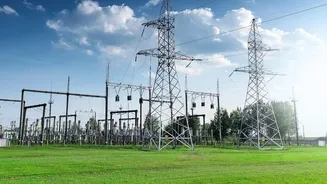
The road to becoming a global data centre hub is not without its obstacles. These facilities are incredibly power-hungry; projections show that data centres could consume up to 7% of India's total electricity by 2040. They also require vast amounts of water for cooling, a significant concern in water-stressed regions. As a result, sustainability is a critical challenge. The industry is under pressure to adopt green technologies and increase its use of renewable energy. Ensuring a stable and uninterrupted power supply, securing large parcels of land in dense urban areas, and navigating regulatory hurdles are other key challenges that operators and state governments must address collaboratively to ensure this growth story continues.