






The Delivery Boom Meets the Electric Push
India's economy is growing robustly, with GDP growth for the 2025-2026 fiscal year estimated around 7.7%. This expansion is fueling a surge in e-commerce, food delivery, and quick commerce. From groceries to gadgets, millions of packages crisscross Indian
cities daily. This logistics-intensive economy, however, has long relied on petrol-powered two-wheelers and diesel vans, contributing to urban air pollution and high operating costs due to volatile fuel prices. Simultaneously, India has set ambitious goals to electrify its transport sector, aiming for 80% of two- and three-wheelers and 70% of commercial vehicles to be electric by 2030. For companies managing vast delivery fleets, these two trends have created a perfect storm, making the switch to EVs not just an environmental choice, but a strategic and economic necessity.
Why Going Electric Makes Financial Sense
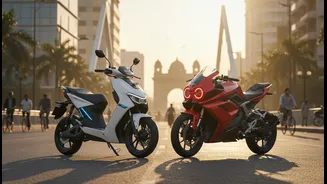
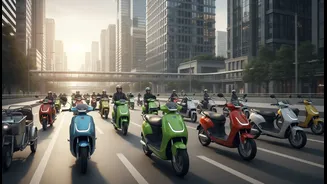
For fleet operators, the single biggest driver of electrification is the total cost of ownership (TCO). While an electric two-wheeler might have a higher upfront purchase price than its petrol counterpart, the long-term savings are substantial. The running cost for an electric bike can be 9-10 times cheaper per kilometre compared to a petrol model. Maintenance costs are also significantly lower, with simpler electric drivetrains saving thousands of rupees annually in service bills. For a delivery partner covering 100-120 km daily, these savings add up quickly, with the higher initial investment often paid back within 12 to 18 months. Some estimates show that over five years, an electric two-wheeler user can save over ₹1 lakh compared to a petrol-based equivalent, a compelling figure for both individual gig workers and large corporations.
The Big Players Leading the Charge
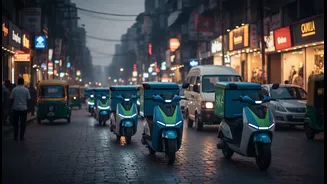
E-commerce and food delivery giants are at the forefront of this transition. Companies like Flipkart and Zomato are global leaders among businesses committed to electrifying their fleets. Flipkart has already deployed over 20,000 EVs in its last-mile network and aims for a 100% electric fleet by 2030. Amazon India has over 10,000 EVs in its fleet and is working to decarbonise its transport network. Zomato has also committed to a fully electric fleet by 2030, while Swiggy is actively building an EV ecosystem with partners. These large-scale deployments are creating a foundational market, signaling to vehicle manufacturers, and driving down costs through bulk orders.
Government Policy Fuels Momentum
The Indian government has been a key catalyst in this transition. Initiatives like the Faster Adoption and Manufacturing of Electric Vehicles (FAME) scheme have been crucial. Its successor, the PM E-Drive scheme, continues to provide significant budgetary support, with a ₹10,900 crore outlay to subsidize vehicles and, importantly, build out charging infrastructure. The scheme aims to support nearly 2.5 million electric two-wheelers and over 300,000 electric three-wheelers. A major focus is on setting up a robust network of chargers, including tens of thousands of fast chargers, to address one of the main hurdles to EV adoption: range anxiety. These policies directly lower the upfront cost for buyers and provide the confidence needed for large-scale fleet conversion.
Overcoming the Roadblocks
Despite the clear momentum, the road to full electrification is not without its challenges. The primary burden of the higher upfront cost of EVs often falls on individual gig workers, who own their vehicles. A significant gap also remains in public charging infrastructure, especially in busy urban areas where delivery fleets operate. While the number of public charging points is growing rapidly, deployment still lags behind the pace of EV adoption. For quick-commerce, where delivery timelines are tight, vehicle downtime for charging is a major operational hurdle. Effectively managing charging cycles, route planning, and battery health is becoming the new frontier of logistics, requiring a different mindset than managing a fossil fuel fleet.