






What Exactly Is El Niño?
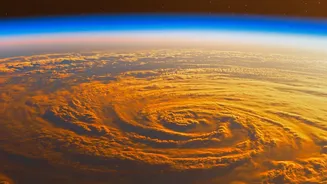
El Niño, which means "the little boy" in Spanish, is a naturally occurring climate phenomenon characterized by the unusual warming of sea surface temperatures in the central and eastern equatorial Pacific Ocean. This change in the ocean's temperature might
seem distant, but it's powerful enough to disrupt atmospheric circulation patterns across the globe. It is the warm phase of a larger cycle called the El Niño-Southern Oscillation (ENSO), which also includes a cooling phase known as La Niña and neutral conditions. These cycles occur irregularly, typically every two to seven years, and an El Niño event usually lasts for about nine to 12 months.
How It Affects India's Monsoon
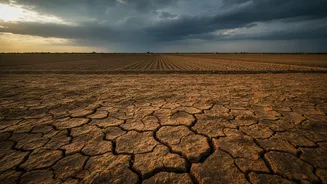
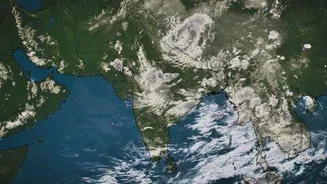
India's economy and the livelihoods of millions depend on the southwest monsoon, which provides about 70-80% of the country's annual rainfall. El Niño's primary impact on India is its tendency to weaken these monsoon winds. The warming of the Pacific Ocean alters global air pressure and wind patterns, which can suppress the formation of rain clouds and reduce the moisture transported towards the Indian subcontinent. This disruption often leads to below-normal rainfall, prolonged dry spells, and a higher probability of drought conditions in many parts of the country. However, the connection is not absolute; not every El Niño year results in a severe drought, as other climatic factors can sometimes play a mitigating role.
The Forecast for 2026
For 2026, meteorological agencies are closely watching a developing El Niño event that is forecast to strengthen through the year. The India Meteorological Department (IMD) has projected that the rainfall during the 2026 southwest monsoon season is likely to be below normal. Initial forecasts predicted rainfall at 92% of the Long Period Average (LPA), which was later updated to 90%. As of early August 2026, the country has already registered a cumulative rainfall deficit of around 12%, with El Niño conditions intensifying and being cited as a key factor. Some international models even suggest the 2026 El Niño could become one of the strongest on record.
The Ripple Effect on Our Economy
A weak monsoon has far-reaching consequences. Agriculture is the most directly affected sector, as nearly half of India's net sown area is rain-fed. Deficient rainfall can delay the sowing and affect the yield of crucial kharif crops like rice, pulses, cotton, and sugarcane. This can lead to lower farm incomes and reduced rural demand for everything from consumer goods to tractors. The impact quickly spills over into the wider economy. Lower agricultural output can fuel food inflation, putting pressure on household budgets and prompting the Reserve Bank of India to adjust its monetary policy. The energy sector also feels the strain, as reduced rainfall lowers water levels in reservoirs, curbing hydropower generation at the same time that hotter temperatures increase the demand for electricity for cooling.
The Ground Reality This Season
The 2026 monsoon season has so far aligned with the IMD's below-normal forecast. After a significantly dry June, July saw some recovery with rainfall being 1% above average nationally, largely due to heavy rains in Central India. However, this recovery was not uniform. By early August, nearly half of the country's districts still faced deficient rainfall. States like Bihar, Assam, and parts of Andhra Pradesh and Karnataka have recorded significant deficits. This uneven distribution highlights the regional vulnerability to a weaker monsoon, with Kharif crop sowing reported to be sluggish compared to the previous year.