






Tadoba-Andhari: The Tiger Capital
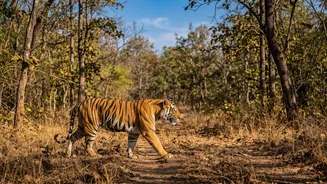
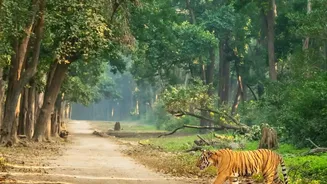
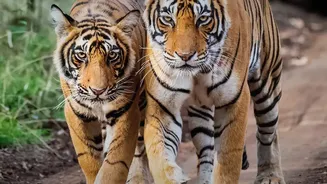
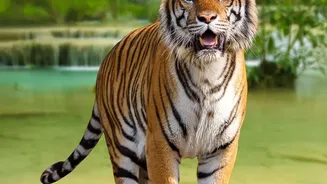
Often called the 'Jewel of Vidarbha', the Tadoba-Andhari Tiger Reserve is one of India's premier destinations for tiger sightings. Its landscape of tropical dry deciduous forests, dense woodlands, and expansive meadows provides a thriving habitat for the majestic
Bengal tiger. Safaris here are legendary, offering high chances of spotting not just tigers, but also leopards, sloth bears, wild dogs (dholes), and the Indian gaur. The park is centred around the Tadoba Lake, a critical water source that attracts a congregation of wildlife, especially during the hotter months from February to May. The Andhari River also winds through the reserve, supporting its rich ecosystem. A Vandarshan trip simplifies access to this popular park, where securing safari permits can often be a challenge for individual travellers.
Pench: The Land of Mowgli
Straddling the border of Maharashtra and Madhya Pradesh, Pench National Park is the very wilderness that inspired Rudyard Kipling's timeless classic, 'The Jungle Book'. Its teak forests and open meadows are home to a robust population of tigers, leopards, and a fascinating diversity of other creatures. Birdwatchers are in for a treat, with over 285 resident and migratory species recorded here. The Pench River and the nearby dam create a lush environment that supports a healthy prey base, including sambar and spotted deer. A safari through Pench is like stepping into a storybook, with the dense foliage and alarm calls from monkeys and deer adding to the thrill of tracking its famous predators. The park is easily accessible from Nagpur, making it a convenient and popular choice for a wildlife getaway.
Navegaon-Nagzira: The Green Oasis
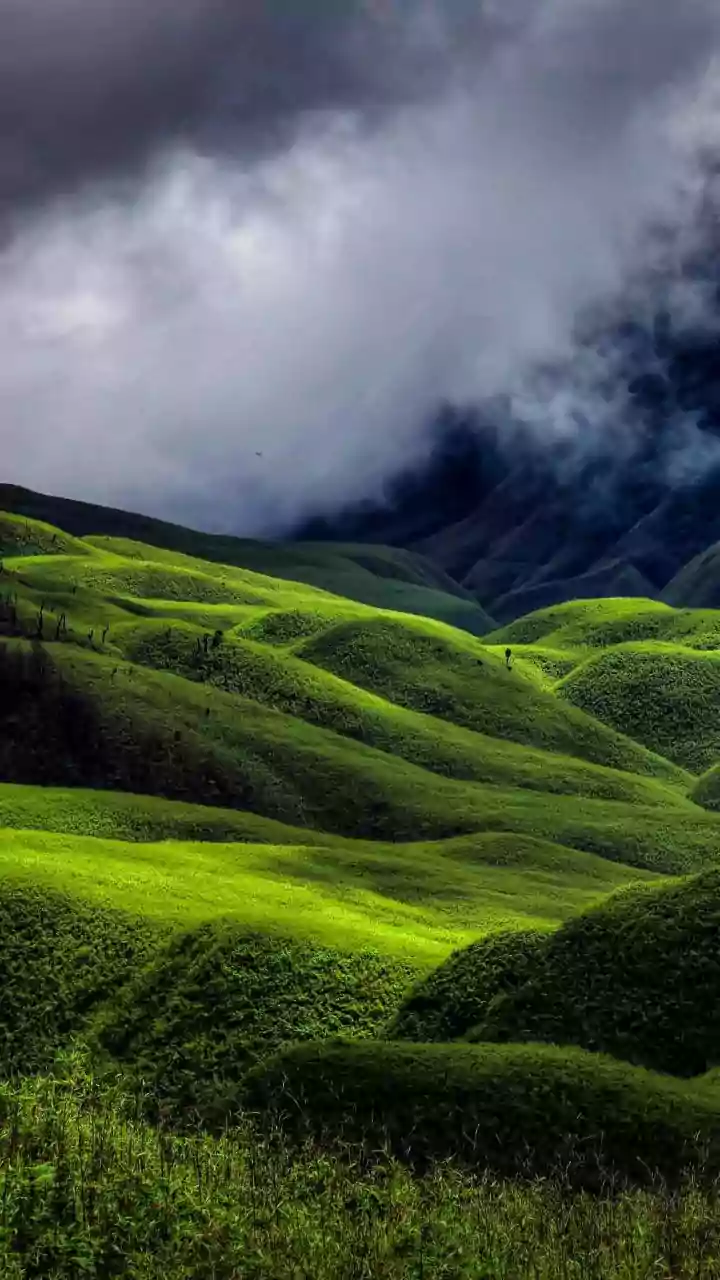
The Navegaon-Nagzira Tiger Reserve (NNTR) is a sprawling expanse of green that serves as a critical wildlife corridor, connecting central India's key tiger habitats. This reserve is actually a combination of the historic Navegaon National Park, built around a scenic 18th-century lake, and the Nagzira Wildlife Sanctuary. While tigers and leopards are the apex predators here, NNTR is particularly celebrated as a bird-watcher's paradise, boasting over 166 species. Its varied terrain of undulating hills and thick forests provides a sanctuary for a wide array of fauna, including bison, sambar deer, and wild boar. Less crowded than some of its more famous counterparts, Nagzira offers a serene and immersive jungle experience for those looking to connect deeply with nature.
Bhimashankar: Home of the Giant Squirrel
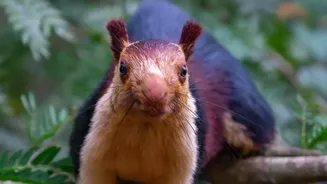
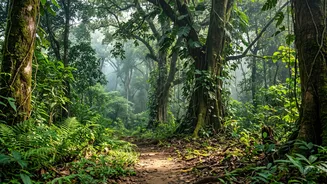
Nestled high in the Western Ghats, the Bhimashankar Wildlife Sanctuary is a biodiversity hotspot established primarily to protect the Indian giant squirrel, or 'Shekru'—Maharashtra's state animal. This large, colourful squirrel spends most of its life in the high canopy of the dense, moist evergreen forests. The sanctuary is also home to leopards, barking deer, and the elusive Indian pangolin. Beyond the fauna, Bhimashankar is significant for its sacred groves, which are ancient forests protected by local tribal communities, and for being the source of the Bhima River. The region is also home to a revered Jyotirlinga shrine, blending spiritual significance with ecological richness. A trip here offers a unique mix of trekking, wildlife spotting, and cultural discovery in a misty, mountain setting.
Koyna: A UNESCO World Heritage Gem
Forming the northern part of the Sahyadri Tiger Reserve, the Koyna Wildlife Sanctuary is a pristine wilderness area that has been designated a UNESCO World Heritage Site. Its rugged landscape is defined by the dense forests of the Western Ghats and the vast Shivsagar reservoir, the backwaters of the Koyna Dam. This unique setting creates a habitat for a diverse range of wildlife, including Bengal tigers, Indian gaur (bison), sambar deer, and a variety of birds. Due to its relatively untouched nature, Koyna offers a quieter and more raw wildlife experience compared to more commercialised sanctuaries. The sanctuary plays a crucial role as a catchment area for the Koyna River and serves as an important corridor connecting wildlife populations, making its conservation vital for the region's ecological balance.