







Understanding Clove's Power
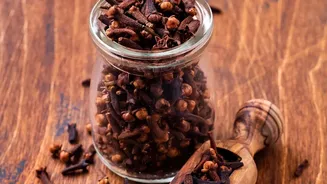
Cloves are the dried, unopened flower buds of the evergreen Syzygium aromaticum tree. Their signature flavour and aroma come from a potent natural compound called eugenol. This compound is responsible for the intense, warm, and slightly peppery notes
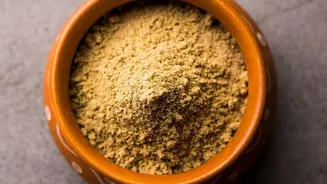
that can make a dish spectacular or, if overused, give it a medicinal quality. Because eugenol is so dominant, a very small amount of clove is enough to flavour an entire recipe. This is especially true for ground cloves, which have a more concentrated and immediate flavour release compared to their whole counterparts. Grinding cloves breaks down the plant cells, releasing all the volatile oils at once, making them perfect for batters and doughs where you want an even distribution of flavour.
The Art of Restraint
The golden rule of cooking with cloves is to use them as a supporting actor, not the star of the show. Their job is to elevate and add complexity to other flavours. When it comes to sweet dishes, this means exercising restraint. If a recipe for a pie or a batch of cookies calls for a teaspoon of cinnamon, you wouldn't use a teaspoon of cloves. A good starting point for ground cloves is often just a pinch, or about 1/4 of a teaspoon for a standard recipe, like one for spice cookies or pumpkin bread. You can always add more, but you can never take it away. For whole cloves, often used to infuse liquids like mulled cider or simple syrups, just a few buds are enough. It is also wise to remove whole cloves before serving to prevent anyone from biting into one, which can be an overwhelmingly intense and numbing experience.
Perfect Sweet Pairings
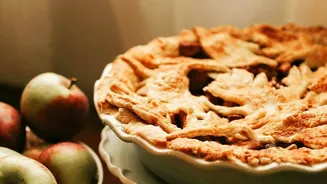
Clove's strong personality means it pairs best with other robust flavours that can hold their own. In the world of sweets, it has several classic partners. Fruits like apple, pear, orange, and plum are fantastic companions. The sweetness and acidity of the fruit balance the warm spice of the clove. Think of a perfectly spiced apple pie or a pear compote with a hint of warmth. Clove is also a key component in many quintessential autumn and winter spice blends, sharing the stage with cinnamon, nutmeg, ginger, and allspice. These spices work in harmony, creating a complex and comforting flavour profile that is greater than the sum of its parts. It also adds a surprising depth to chocolate, caramel, and vanilla, turning a simple brownie or hot cocoa into something special.
Ground vs. Whole: A Quick Guide
Choosing between ground and whole cloves depends entirely on your recipe. Ground cloves are best for baked goods like cakes, cookies, and pies where you need the flavour to be evenly distributed throughout the batter or dough. Their flavour is released quickly. Whole cloves are ideal for infusing flavour over a longer cooking time. They are perfect for simmering in liquids like mulled wine, spiced cider, broths, and syrups. A general rule for substitution is to use about ¾ teaspoon of ground cloves for every one teaspoon of whole cloves a recipe calls for. However, remember that whole cloves are typically removed before serving, while ground cloves become a permanent part of the dish.
Beyond the Sweet
While clove is a champion in sweet recipes, its power is just as valuable in savoury cooking. It is a cornerstone ingredient in spice blends around the world, from Indian garam masala to Chinese five-spice powder. In savoury dishes, it pairs well with cumin, coriander, black pepper, and bay leaf. It brings a surprising warmth and complexity to slow-cooked meats, stews, rice pilafs, and even tomato sauce. The same principle of balance applies here; a single clove can perfume a whole pot of rice or a rich braise. Exploring clove's savoury side can give you a new appreciation for its versatility and the subtle but significant impact it can have on a wide range of dishes.