





The Science Behind Barley's Power
Barley's secret weapon in the fight for stable blood sugar is its high content of a specific type of soluble fiber called beta-glucan. When you eat barley, this fiber forms a thick, gel-like substance in your digestive tract. This gel has a dual effect:
it physically slows down the digestion and absorption of carbohydrates, leading to a more gradual rise in blood glucose levels after a meal. Studies have shown that barley is remarkably effective, in some cases outperforming even oats in reducing post-meal blood sugar and insulin spikes. This makes it an exceptionally smart choice for anyone managing their blood sugar, including those with prediabetes or type 2 diabetes.
A Low Glycemic Index Champion
The Glycemic Index (GI) is a scale that ranks carbohydrate-containing foods by how much they raise blood sugar levels. Foods with a low GI are digested and absorbed more slowly, resulting in a smaller, more manageable increase in blood sugar. Barley is a standout in this regard, boasting one of the lowest GI scores among all grains, with some studies citing a GI as low as 25 to 28. For comparison, oatmeal can have a GI of 58 and white bread is around 75. This low GI, combined with the powerful effects of beta-glucan, makes barley a formidable tool for maintaining steady energy levels and promoting better insulin sensitivity throughout the day.
Choosing the Right Kind of Barley
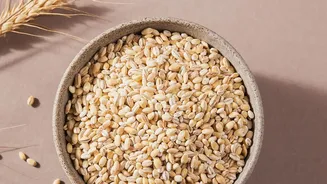
When you're at the grocery store, you'll likely encounter two main types of barley: hulled and pearled. For the maximum blood sugar benefit, hulled barley is the superior choice. Hulled barley is a true whole grain, meaning only the tough, inedible outer husk has been removed, leaving the bran and germ intact. This form is highest in fiber and nutrients. Pearled barley, the more common variety, has had the bran layer polished off. While it's still a healthy option with a low GI and is quicker to cook, it contains less fiber than its hulled counterpart. If you can find hulled barley, it's worth the slightly longer cooking time for its enhanced nutritional profile.
How to Build a Blood-Sugar-Friendly Bowl
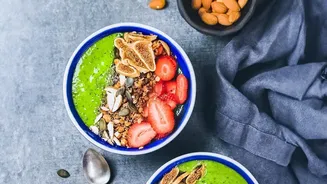
Creating a balanced barley breakfast bowl is simple. Start with a base of cooked and cooled barley. The cooling process can further enhance its benefits. Then, focus on adding protein, healthy fats, and more fiber to further slow digestion and boost nutrition. For a sweet take, mix in Greek yogurt for protein, a handful of berries for antioxidants, and a sprinkle of nuts or chia seeds for healthy fats and crunch. If you prefer a savory morning meal, top your barley with a fried or poached egg, wilted spinach, and sliced avocado. This combination provides sustained energy and helps keep you feeling full and satisfied until your next meal.
Tips for Easy Preparation
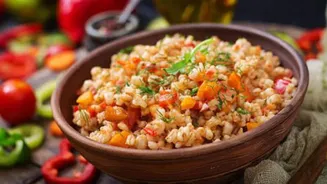
Barley isn't as quick to cook as oats, so a little planning goes a long way. The best approach is to cook a large batch at the beginning of the week. Simply boil one part barley in about three parts water until tender—about 25-30 minutes for pearled barley and 40-50 minutes for hulled. Once cooked, let it cool and store it in an airtight container in the refrigerator for up to four or five days. This way, your breakfast base is ready to go for busy mornings. You can quickly reheat a portion with a splash of milk or water, or enjoy it cold as the foundation for your delicious and stabilizing breakfast bowl.