





Meet the New Starlink V5
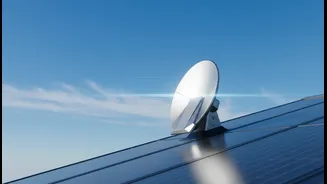
SpaceX recently and quietly began rolling out its next-generation satellite dish for residential customers, dubbed the Starlink V5. While product launches often tout higher speeds and more power, the V5’s main claim to fame is its remarkable efficiency.
It replaces the previous V4 model, which debuted in 2023. According to official specifications, the new V5 dish has an average power consumption of just 35 to 50 watts. This represents a massive reduction from the V4’s average draw of 75 to 100 watts. This isn’t a minor update; it’s a fundamental redesign focused on practicality and accessibility, signaling a strategic shift to make the hardware more versatile for a wider range of users.
Why Halving Power Usage Is a Game Changer
Cutting power consumption by roughly 50% is a huge deal, especially for anyone not plugged into a stable, urban power grid. Think of it this way: the old V4 dish consumed as much electricity as a 75-watt incandescent light bulb. The new V5 brings that down to the level of a modern, energy-efficient LED bulb. Over 24 hours, that difference adds up significantly, impacting everything from monthly electricity bills to the viability of off-grid power systems. For users on boats, in RVs, or at remote cabins running on solar panels and battery banks, this is a transformative improvement. A lower power draw means Starlink can run for longer on a battery, requires a smaller and less expensive solar setup to sustain, and puts less strain on portable generators.
Smaller, Lighter, and Simpler by Design
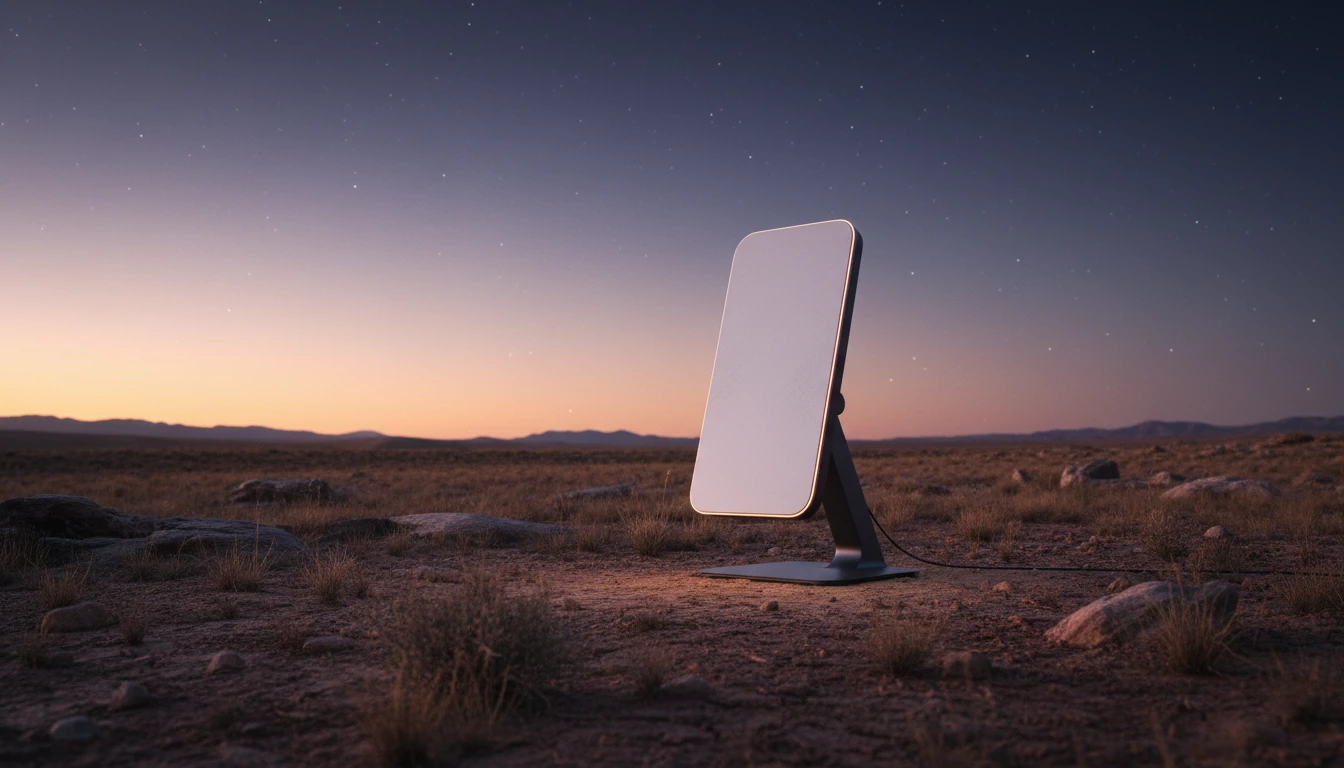
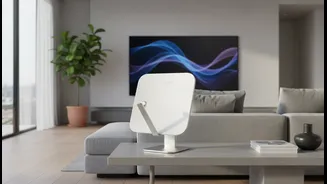
The efficiency gains are not limited to electricity. The V5 dish is also significantly smaller and lighter than its predecessor. It weighs a mere 1.1 kg, a steep drop from the V4's 2.9 kg. This makes it much easier for a single person to handle and install, especially on a roof. Part of this weight reduction comes from a major design change: the removal of the motors that automatically aligned previous dishes. The V5 instead uses a wider field of view and relies on the user to perform an initial manual alignment with guidance from the Starlink app. While this might seem like a step back, it removes a complex mechanical component, potentially increasing long-term reliability. The new design also comes with an integrated kickstand for easy placement on a flat surface and a pipe adapter for more permanent mounting.
Performance and Positioning in the Starlink Lineup
Interestingly, the V5 is not being marketed as a speed upgrade. In fact, its advertised peak download speed of 375+ Mbps is slightly lower than the V4’s 400+ Mbps. This indicates a clear choice by SpaceX to prioritize efficiency and practicality over chasing the highest possible numbers. For the vast majority of users streaming, gaming, and video conferencing, the difference in peak speed is unlikely to be noticeable. The V5 solidifies its place as the new standard for residential use. It sits comfortably between the ultra-portable Starlink Mini, which is designed for mobility with an even lower 20-40W power draw, and the high-performance dishes intended for businesses and enterprise customers. The V5 is for the home, but a home that can now be almost anywhere.