




What 'Tradition' Really Means
We often talk about ‘authentic’ or ‘traditional’ food as if it were a fixed recipe carved in stone. But the truth is, our most cherished dishes are the result of centuries of evolution. Indian cuisine has always been a dynamic story of adaptation, absorbing
influences from traders, invaders, and migrating communities. The Mughals enriched our food with nuts, saffron, and rich gravies. The Portuguese introduced us to the potato, tomato, and chilli—ingredients now so essential it’s hard to imagine our kitchens without them. What we consider traditional today was once a novelty. Authenticity isn’t about a single, perfect version of a dish that existed in the past. Instead, it’s a story told by countless cooks over generations, each making small adjustments based on new ingredients, changing tastes, and different circumstances. This constant, slow evolution is the true tradition of our food.
The Soul of the Dish
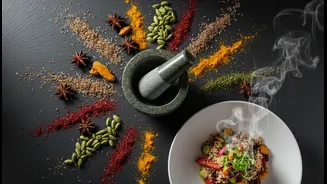
If tradition isn't about rigid recipes, what are the 'local principles' we must protect? The answer lies in the soul of the dish: its core flavour profile and foundational cooking techniques. Think of the pungent, aromatic magic of 'tadka' (tempering spices in hot ghee), which blooms their flavour and forms the base of so many dals and curries. Or the 'dum' method of slow-steaming, where food cooks in its own juices, allowing spices to release their full essence into a biryani or korma. These techniques are the grammar of our cuisine. A dish can be presented differently, a protein can be swapped, or a grain can be updated, but it must still speak this culinary language. The most successful modern chefs understand this. They are not just throwing ingredients together; they are using their deep knowledge of these principles to create something new that still feels emotionally and culturally connected to the original.
Innovation That Honours the Past
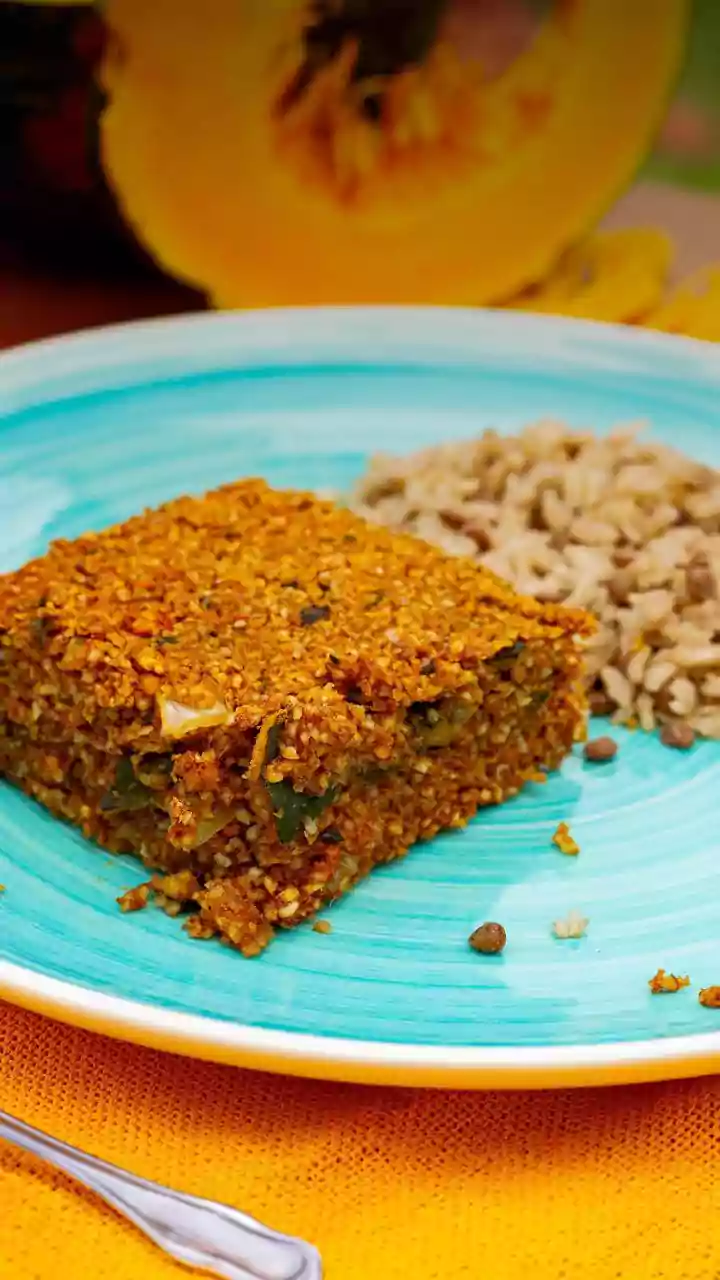
Modern Indian cuisine, when done right, is not about erasing the past but enhancing it. It’s a dialogue between heritage and creativity. Consider the rise of dishes like Avocado Corn Bhel. It introduces a creamy, global ingredient but retains the essential explosion of sweet, sour, and spicy flavours that define chaat. Butter chicken lasagna or masala mac and cheese might sound jarring, but they succeed by infusing the comforting format of Western dishes with the bold, aromatic spice blends that are unmistakably Indian. Chefs are also using modern technology to refine traditional methods. A mutton curry might be cooked sous-vide for 48 hours to achieve an impossibly tender texture, but the marinade and masala remain rooted in a grandmother’s recipe. This evolution is also driven by a growing desire for healthier options, leading to innovations like quinoa biryani or the creative use of millets, which align with modern wellness trends without sacrificing flavour.
When Change Goes Too Far
Of course, not every experiment is a success. An adaptation fails when it fundamentally misunderstands or ignores the core principles of the original dish. A 'curry' that is merely a sweet, vaguely spiced sauce poured over ingredients lacks the layered complexity built by roasting and tempering spices. A dish that changes ingredients to the point where the foundational flavour profile is lost becomes inauthentic—not because it’s new, but because it has lost its connection to the culinary culture it claims to represent. The line is crossed when a dish is simplified for purely commercial reasons or when the cook lacks a deep understanding of the techniques they are trying to adapt. Innovation requires respect for the source material. Without that respect, a modern twist can easily become a gimmick that loses the heart and history that made the original so beloved in the first place.