







The Hydration Factor
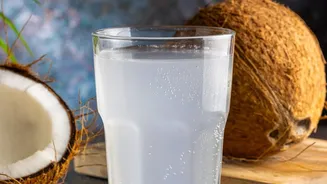
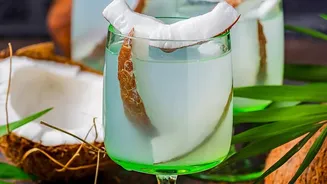
When it comes to pure, quick hydration, coconut water often has an edge. Frequently called a "natural sports drink," it's packed with electrolytes like potassium, magnesium, sodium, and calcium. These minerals are crucial for replenishing what your body
loses through sweat, making coconut water an excellent choice after exercise or on a particularly hot day. Its composition helps the body restore fluid balance quickly. Buttermilk, or chaas, is also highly hydrating due to its high water content and electrolytes like potassium and sodium. However, its primary strength lies in its cooling effect on the body and digestive system, offering a different kind of relief from the heat.
Nutritional Head-to-Head
Nutritionally, the two drinks serve different purposes. Coconut water is significantly lower in calories, with around 18-45 calories per 100g serving compared to buttermilk's 62-98. It's also a good source of Vitamin C. However, traditional buttermilk is a powerhouse of other nutrients. It contains more protein, calcium, and a suite of B vitamins, including B12. Buttermilk is also a source of Vitamin D, which is absent in coconut water. It’s worth noting that many packaged coconut waters can have added sugars, while spiced buttermilk (masala chaas) often contains added salt, which can increase its sodium content.
The Probiotic Powerhouse
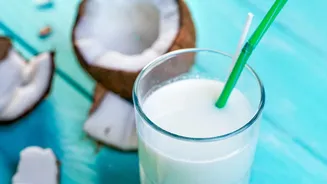
This is where buttermilk truly shines. As a fermented drink, chaas is a natural source of probiotics—beneficial live bacteria that support a healthy gut. These probiotics aid digestion, can prevent bloating and constipation, and help maintain a balanced gut microbiome, which is linked to a stronger immune system. The lactic acid in buttermilk also helps break down food more efficiently, making it an excellent post-meal drink. While some commercially produced coconut waters are now fortified with probiotics, traditional coconut water does not naturally contain them.
When to Choose Which
The best choice often depends on the situation. Experts suggest that the timing of consumption can maximize their benefits. Reach for coconut water when you need fast rehydration and an electrolyte boost, such as after a workout, during illness, or after spending time in the sun. It's best consumed on an empty stomach for maximum absorption. Buttermilk is the ideal companion to meals, especially a heavy lunch. Its digestive properties help soothe the stomach, prevent acidity, and provide a gentle cooling effect. Spicing it with cumin, mint, or black salt can further enhance its digestive benefits.
Cost and Accessibility
In India, both drinks are widely available, but their cost and form can differ. Fresh coconut water, sold by street vendors, is a common sight in many parts of the country, especially the south. Packaged coconut water is available everywhere but is generally more expensive. Buttermilk is a household staple, often made fresh at home by diluting curd. Packaged versions are also readily available and are typically more affordable than packaged coconut water. The ease and low cost of preparing chaas at home make it a more accessible daily drink for many.