







The Blueprint for a Top Destination
What makes a country a world-class tourist destination? According to the World Economic Forum's (WEF) 2026 Travel & Tourism Development Index (TTDI), it is not just about beautiful beaches or historical landmarks. The report evaluates 110 economies on a wide
range of factors that enable the sustainable and resilient development of their tourism sectors. The headline takeaway is clear: the strongest destinations successfully combine rich Natural and Cultural Resources with high-quality Infrastructure and enabling policies. This comprehensive index looks at everything from air transport connectivity and tourist services to environmental sustainability and safety, providing a holistic view of a country's tourism readiness.
The Top 10: A Mix of Old Favourites and New Strengths
Advanced economies continue to lead the pack, with Europe and Asia-Pacific showing significant strength. Japan has climbed to the top spot, praised for its record visitor numbers and strong regional connectivity. It is followed closely by the United States, which excels in natural resources and business travel infrastructure. Perennial European powerhouses Spain, France, Germany, the United Kingdom, Switzerland, and Italy all feature in the top 10, a testament to their deep cultural heritage, extensive infrastructure, and strong government prioritization of tourism. Rounding out the top tier are Australia, with its vast natural landscapes, and China, the only emerging economy in the top 10, noted for its rapid improvement and rich cultural assets.
Japan Takes the Crown
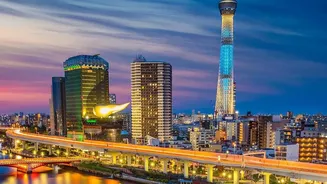
Japan's ascent to the number one position in the 2026 index is a significant development. Having welcomed a record 42.7 million international visitors in 2025, the country demonstrates a powerful combination of vibrant cultural resources, from ancient temples to modern pop culture, and exceptional infrastructure. The WEF highlights Japan's focus on diversifying tourism beyond major hubs like Tokyo and Osaka as a key strategy. This approach not generates only manages overcrowding but also spreads the economic benefits of tourism more widely across the country, creating a more sustainable and resilient model for the future.
Where Does India Stand?
India has made a significant leap in the rankings, climbing to 31st place from 39th in the previous index. The WEF report acknowledges India's major strengths, particularly its exceptional cultural and natural resources. The country is ranked among the top 10 globally for its number of UNESCO World Heritage cultural sites, a powerful draw for international visitors. Furthermore, India remains a highly price-competitive destination. However, the report also points to areas needing improvement. Gaps in tourist service infrastructure, workforce skills, and environmental sustainability were noted as challenges that need to be addressed to unlock the country's full tourism potential.
The Future of Global Travel
The 2026 TTDI signals a clear shift in the global tourism landscape. The post-pandemic recovery phase is largely over, and the new challenge is not just attracting visitors, but managing growth sustainably. The report highlights that destinations must now focus on balancing visitor numbers with the well-being of local communities and the environment. Rising costs and workforce shortages are emerging as significant constraints globally. The countries that will thrive in the coming years will be those that compete on value and experience rather than just price, invest in resilient infrastructure, and prioritize the long-term health of their natural and cultural assets.