







The New, Chaotic Monsoon
For generations, India has planned its agriculture, economy, and life around the reliable rhythm of the monsoon. Climate change is rewriting that rhythm. Scientists have observed that the monsoon is becoming more erratic. This doesn't just mean less rain
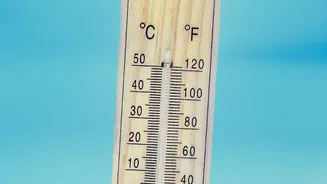
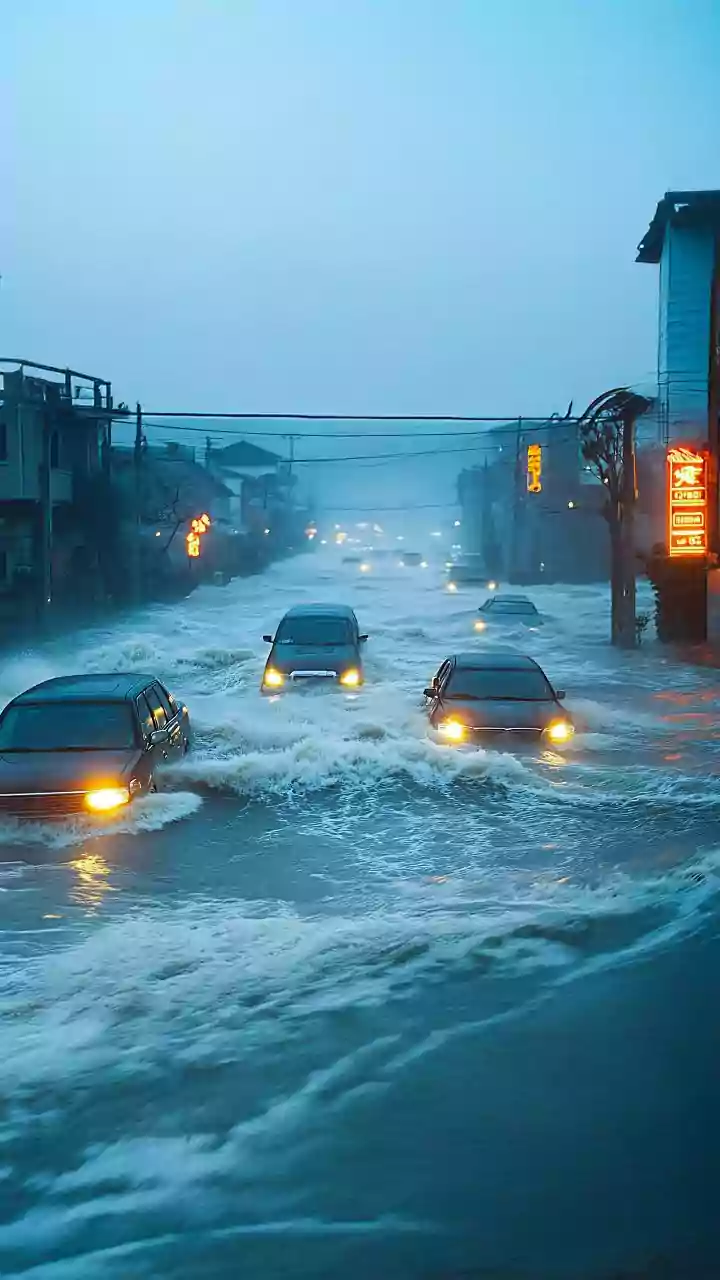
overall; it means the rain that does fall arrives in chaotic bursts. We are seeing longer dry spells punctuated by intense, heavy downpours that lead to flooding. One study noted that for every degree Celsius of warming, monsoon rainfall could increase by about 5%, but this increase manifests as more extreme wet years, not gentle, sustained showers beneficial for crops. This volatility is the new normal, with some regions experiencing deluges while others, sometimes just a few hundred kilometres away, face drought. This shift from predictable patterns to volatile extremes is the core of the challenge, directly impacting everything from crop cycles to drinking water availability.
A Nation Bound by Rivers
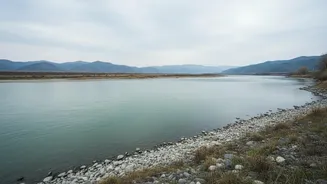
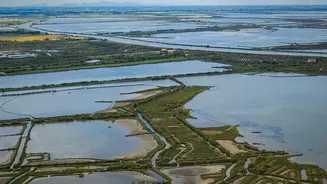
India's geography has always made it a nation of shared water. Major rivers like the Ganga, Cauvery, and Krishna flow across multiple states, creating a natural interconnectedness. A river basin is a single hydrological system, even if it crosses several political borders. This means that rainfall in the upstream catchment area of a river directly determines the water available to downstream states. When rainfall patterns become unreliable, this dependence intensifies. A weak monsoon in the mountains of Karnataka, for instance, has immediate consequences for farmers in the plains of Tamil Nadu who rely on the Cauvery river. This physical reality of shared river basins is turning into a source of heightened economic and social pressure. The problem is simple: when the total amount of water in the system becomes less predictable, every state's reliance on its neighbours becomes more critical and more fraught with tension.
Old Tensions, New Pressures
Inter-state water disputes are not new in India. Conflicts over rivers like the Cauvery have spanned decades, often involving legal battles and political friction. However, climate change is a threat multiplier, pouring fuel on these old fires. Increased variability in rainfall means there's less certainty and often less water to go around, making existing water-sharing agreements feel outdated or unfair. Many of these agreements were drafted based on historical flow data that no longer reflects the new reality of erratic monsoons and melting glaciers. As a result, states may find it harder to meet their obligations, and disputes that were once manageable can escalate into full-blown crises. The growing unpredictability of water availability is straining the legal and political frameworks designed to manage disputes, pushing them to their breaking point.
From Conflict to Cooperation
The same pressures that can lead to conflict also make cooperation more essential than ever. There is a growing recognition that state-level, fragmented approaches are insufficient to tackle a basin-wide crisis. The future of water management in India lies in cooperative federalism and integrated water governance. This means shifting from dispute resolution bodies to proactive, basin-level planning platforms where states collaborate on everything from data sharing to infrastructure development. Real-time hydrological data, shared transparently between states, can build trust and allow for more agile management of reservoirs and canals. By working together to manage an entire river basin as a single entity, states can better adapt to the challenges of climate change, optimising water use for agriculture, industry, and domestic needs across the region.
Rethinking Water for a New Climate
Solving this challenge isn't just about how states share river water; it's also about reducing the overall demand on these strained systems. This requires a nationwide push towards more efficient water use. In agriculture, which consumes over 80% of India's freshwater, a shift from flood irrigation to smart technologies like drip irrigation can drastically cut consumption. In cities, a focus on wastewater recycling, stormwater capture, and reviving local water bodies can reduce dependence on distant rivers. These solutions, often called nature-based or climate-resilient strategies, focus on managing water where it falls and reusing it as much as possible. By embracing these modern techniques, India can build a more resilient water future, easing the pressure on its interconnected river systems and the states that depend on them.