
The Myth: What Is the Flame Test?
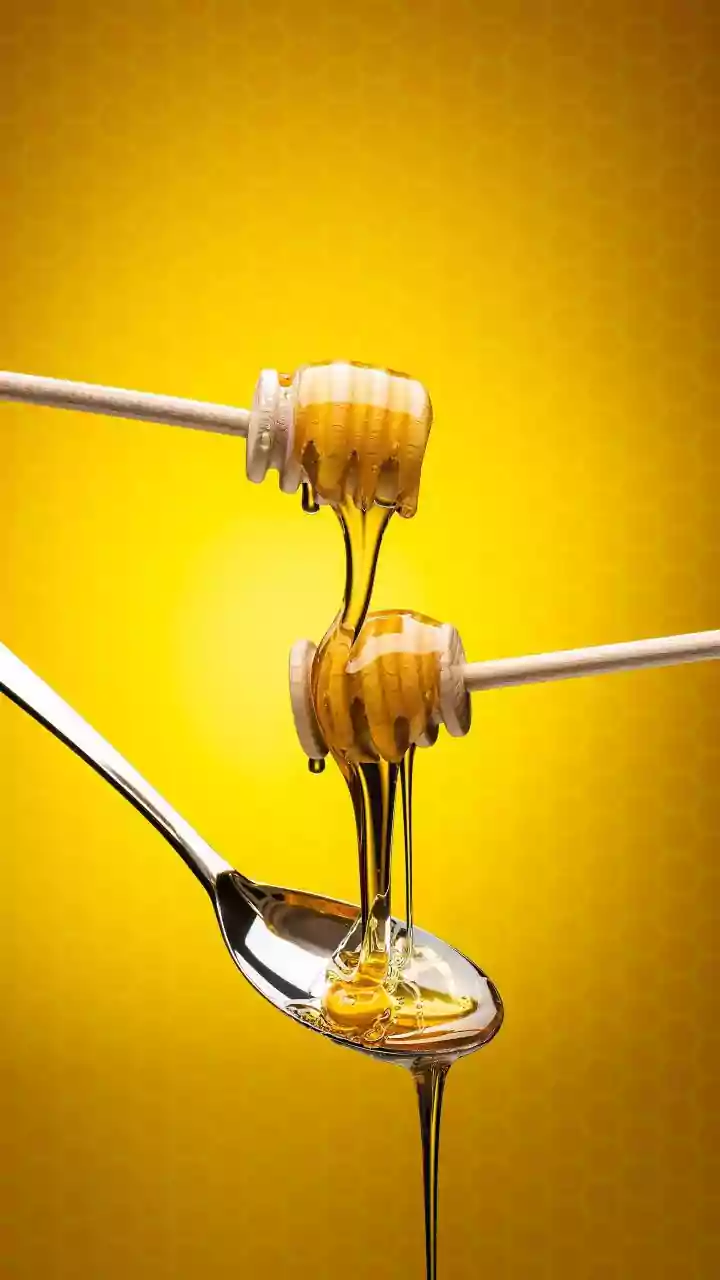
You have probably seen it online: dip a matchstick or a cotton bud into honey and light it. The common belief is that if the honey is pure, it will burn, proving its authenticity. If it sputters, crackles, or refuses to light, the logic goes, it must
be adulterated with water or other substances. This simple 'test' has been shared across social media as an easy, at-home method to distinguish real honey from fake. The underlying idea is that pure honey has a low moisture content, making it combustible, while added water in fake honey will prevent it from burning. It seems straightforward, which is a big part of its appeal.
The Reality: A Flawed and Misleading Method
The science, however, tells a different story. The flammability of honey has almost everything to do with its moisture content and very little to do with its purity. All honey naturally contains some water, and the exact amount varies depending on the floral source, the time of harvest, and the climate. Some perfectly pure, raw honeys have a naturally higher moisture content and may not light easily. Conversely, a fake honey made with artificially thickened sugar syrup might have a low moisture content and pass the flame test with flying colours. Therefore, whether a matchstick dipped in honey lights up is not a reliable indicator of purity. Many experts and food labs agree that home tests like the flame test are simply not foolproof for detecting modern, sophisticated adulterants.
More Than Unreliable, It’s Unsafe
Beyond its lack of reliability, the flame test is genuinely dangerous. Intentionally setting any food substance on fire in your kitchen is a significant fire hazard. Spilled, burning honey can cause serious burns and damage to your home. Honey itself can burn at high temperatures, but its behaviour is unpredictable. There is no good reason to risk your safety for a test that provides no accurate information. Other popular DIY tests, like the water test (seeing if honey dissolves) or the thumb test (checking its thickness), are similarly unreliable as they only measure physical properties like density and viscosity, which can be easily mimicked by adulterants.
Smarter Ways to Ensure Honey Quality
If home tests are myths, how can you ensure you're getting the real deal? The most reliable method is to buy from trusted sources. Look for established brands that are transparent about their sourcing and provide lab test reports. In India, checking for an FSSAI license number on the label is a crucial first step, as it indicates the product is subject to regulatory standards. These standards set limits on parameters like moisture content, sugar profiles, and HMF (hydroxymethylfurfural), which is an indicator of freshness and heat treatment. While no home test is definitive, you can use your senses. Pure honey often has a distinct floral aroma and a complex flavour that lingers. It also tends to crystallize over time, which is a natural process and often a sign of raw, unprocessed honey. Adulterated honey might taste overly sweet without any nuanced flavour.
Focus on the Source, Not the Flame
Widespread adulteration is a real concern for honey lovers. Sophisticated syrups from rice, corn, and beet can be engineered to pass simple home tests and can only be detected by advanced laboratory analysis like Nuclear Magnetic Resonance (NMR) spectroscopy or isotope ratio analysis. Since these lab tests are not accessible to consumers, the power lies in making informed purchasing decisions. Buying directly from local beekeepers or reputable retailers who can vouch for their products is one of the best strategies. If a price seems too good to be true, it’s a major red flag. Authentic honey production is a resource-intensive process, and suspiciously cheap products are often diluted to cut costs.