





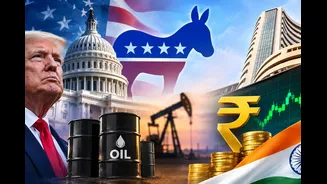
The US midterm elections are over, prompting a key question for Indian businesses and policymakers: What happens now? Here’s a breakdown of the potential impacts on India-US economic relations and why election results are only the beginning of the story.
A New Political Landscape in Washington
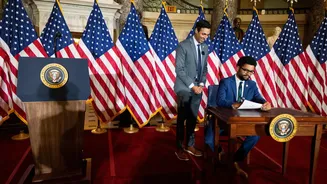
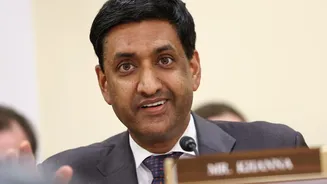
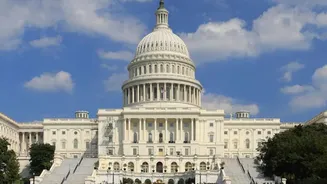
The November 2026 midterm elections have shifted the balance of power in the U.S. Congress. With Democrats now controlling both the House of Representatives and the Senate, President Donald Trump's administration faces a new political reality for its final two years. This change doesn't automatically flip a switch on existing policies, but it does introduce new dynamics. The president retains significant power in foreign and trade policy, particularly through executive orders. However, a Democrat-led Congress will control committee hearings, federal funding, and the confirmation of key officials, creating a different set of checks and balances that will undoubtedly influence the legislative agenda.
Why Election Results Don't Equal Instant Policy Change
It's a common misconception that an election outcome immediately rewrites policy. The process is far more complex. First, existing laws and tariffs remain in effect until they are actively amended or repealed. Second, while a new congressional majority can set different priorities, turning those priorities into law requires navigating a long process. Bills must be drafted, debated in committees, and passed by both chambers before reaching the president's desk, who holds veto power. This means that even with a majority, Democrats will likely need some Republican support to pass major legislation, making bipartisan compromise essential. For businesses, this translates into a period of uncertainty where they must distinguish between political posturing and actual, consequential policy shifts.
The Future of the India-US Trade Deal
Negotiations for a significant India-US trade deal have been a central feature of the bilateral relationship. The election results could accelerate these talks, as the administration may seek a 'quick win' on the foreign policy front. However, the new Congress will increase scrutiny on any agreement. Experts believe the pressure on India might increase to secure greater market access for American agricultural and industrial goods. An interim framework announced in February 2026 already outlined key areas, including tariff reductions and a commitment from India to purchase billions in US energy and technology products. The core strategic partnership remains strong, but the final details of the trade pact will be hammered out against this new political backdrop.
Key Economic Areas to Watch
Beyond the headline trade deal, several specific sectors are key to the India_US economic partnership. The Initiative on Critical and Emerging Technology (iCET) and its successor programs promote deep cooperation in AI, semiconductors, quantum computing, and defense innovation. These areas generally enjoy broad bipartisan support in the US, as they are seen as crucial for maintaining a strategic edge and building resilient supply chains. Energy is another vital area, with the US encouraging India to diversify its sources. While a Democrat_controlled Congress may look closely at issues like tariffs and corporate pricing, the underlying strategic alignment on technology and security is expected to continue driving collaboration.
Navigating the Road Ahead
For Indian companies and investors, the post_midterm environment requires careful monitoring. While the broader trend of US protectionism is unlikely to reverse overnight, the new congressional dynamic may soften the edges of some policies. For example, a new Congress could exercise more oversight on sanctions and tariffs, potentially giving India more flexibility in areas like energy imports. However, legislative gridlock in Washington could also mean that major changes are stalled, leaving businesses to navigate the existing regulatory landscape. The focus will now shift from the election results themselves to the signals coming from key congressional committees and the administration's next moves.