




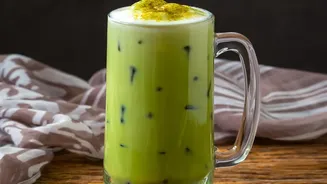


A Tea Born from Innovation
Hojicha (ほうじ茶), which translates to 'roasted tea', is a type of Japanese green tea that originated in Kyoto in the 1920s. It was reportedly created by a tea merchant who, looking for a way to use leftover tea leaves, stems, and twigs from the harvest,
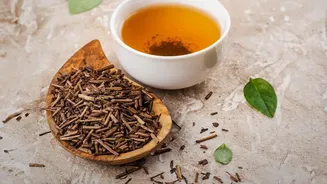
decided to roast them over charcoal. This simple act of roasting transformed the tea, creating a completely new flavour profile that quickly became a favourite across Japan. Unlike other green teas like sencha or gyokuro, which are steamed to prevent oxidation, hojicha undergoes this crucial extra step. The result is a tea that is reddish-brown in colour, with a unique taste that sets it apart from its grassy-green cousins.
The Roasting Process: How It's Made
The magic of hojicha lies in its high-temperature roasting. After the green tea leaves (often Bancha or Kukicha, which are later-harvest teas) are steamed and dried, they are roasted at around 150-200°C in a rotating drum, similar to a coffee roaster. This heat triggers the Maillard reaction, the same chemical process that gives bread its golden-brown crust and coffee its deep flavour. This process changes everything. It breaks down the catechins, the compounds that can make green tea taste bitter or astringent. It also significantly reduces the tea's caffeine content, as some of it is volatilised by the heat. The green leaves turn a warm, reddish-brown and develop a rich, toasty aroma.
A Comforting, Nutty Flavour Profile
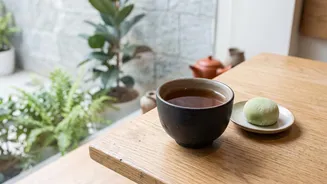
If you find traditional green tea too 'grassy', hojicha might be the perfect introduction to the world of Japanese teas. The roasting process completely transforms its taste, replacing vegetal notes with a warm, toasty, and nutty character. Many describe its flavour as having hints of caramel, roasted barley, or even cocoa. It's naturally sweet without any added sugar and has a smooth, clean finish with almost no bitterness, making it exceptionally approachable. This comforting, full-bodied flavour has been compared to coffee, but it remains much lighter on the palate, making it a soothing choice for any time of day.
Hojicha vs. Matcha: What's the Difference?
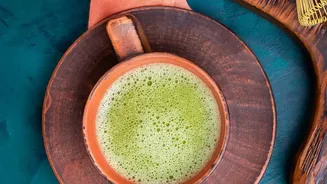
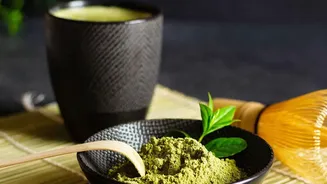
While both are popular Japanese teas, hojicha and matcha are worlds apart. Matcha is a vibrant green powder made from shade-grown, stone-ground tea leaves, known for its rich, savoury 'umami' flavour and high caffeine content. Hojicha is made from roasted leaves and stems, resulting in its brown colour and toasty, sweet flavour. The most significant difference for many drinkers is the caffeine. A typical cup of matcha can contain 60-80mg of caffeine, similar to a cup of coffee. Hojicha, thanks to its roasting process and use of mature leaves, contains only around 7-20mg per cup, making it a much gentler option. This makes it a popular choice for an afternoon or evening drink.
The Rise of Roasted Tea in Delhi
The growing curiosity around Japanese teas in India, which began with the matcha craze, has paved the way for hojicha. According to Google Trends data from 2026, searches for 'hojicha' have peaked as consumers look for new flavours. Health-conscious urban audiences are particularly drawn to its low-caffeine content, positioning it as a calming alternative to coffee or traditional chai. Its versatility is another key factor. Like matcha, hojicha is often sold as a fine powder, making it easy to incorporate into lattes, bubble teas, and even desserts. This has allowed cafes across Delhi to get creative, adding everything from Hojicha Bubble Tea to Hazelnut Hojicha Lattes to their menus, offering a novel experience for adventurous customers.
Where to Try Hojicha in the City
As the trend grows, hojicha is becoming easier to find. Specialty cafes and bubble tea shops in Delhi like Got Tea and Asagao have been highlighted for their hojicha lattes and teas. You might also find it on the menu at Japanese restaurants or pan-Asian eateries. For those who prefer to brew at home, several online retailers and tea purveyors in India now offer both loose-leaf hojicha and hojicha powder, making this comforting Japanese staple accessible to everyone. Whether you enjoy it as a simple hot tea or a creamy latte, it offers a distinct and satisfying experience.