




A Journey Back to Shared Roots
For many Indians, a trip to Uzbekistan feels like turning a page in a familiar history book. The connection runs deep, most notably to the founder of the Mughal Empire, Babur, who was born in the Fergana Valley of present-day Uzbekistan. This historical
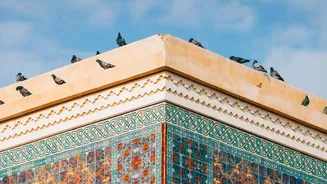
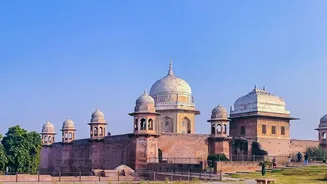
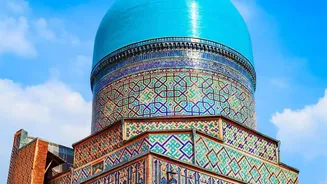
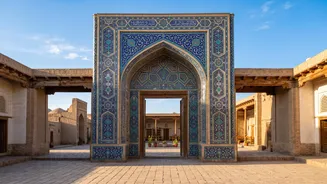
link is visible in the architectural echoes and cultural motifs that connect the two regions. The stunning tilework and grand domes of Samarkand and Bukhara evoke the grandeur of Mughal-era India. This shared heritage creates an instant sense of connection for Indian visitors, who find themselves tracing the origins of an empire that profoundly shaped their own nation's history. Beyond the Mughals, the legendary Silk Road connected India and Central Asia for centuries, facilitating a vibrant exchange of goods, ideas, and culture that is still palpable in the bustling bazaars and ancient cities.
Seamless and Simple Travel Logistics
One of the biggest factors behind Uzbekistan's rising popularity is the ease of travel for Indian passport holders. The country offers a straightforward electronic visa (e-visa) system that has eliminated the stress often associated with international travel planning. The entire process is online, typically taking only a few working days, and costs around $20 USD. This hassle-free approach makes planning a trip incredibly convenient. Furthermore, air connectivity has significantly improved. Direct flights from major Indian cities like Delhi and Hyderabad to Tashkent, the capital, take just three to four hours. Several airlines operate these routes, making it easy to find convenient and competitive fares, especially when booked in advance. The presence of Indian restaurants in major cities and the warm, welcoming nature of Uzbek locals, many of whom connect with India through Bollywood, further add to the comfort factor.
Affordable Grandeur: More Value for Your Rupee
Uzbekistan offers a travel experience that feels luxurious and grand without the European price tag. For Indian travellers, it presents exceptional value for money. A comfortable week-long trip, including flights, accommodation, food, and sightseeing, can be managed on a budget that is significantly lower than a comparable trip to a Western heritage destination. Accommodation options range from affordable guesthouses to unique stays in converted caravanserais, often for a fraction of what one might pay in other parts of the world. Daily expenses on food are also remarkably low, with delicious local meals available for just a few hundred rupees. The country’s efficient and modern high-speed train system, the 'Afrosiyob', connects the main tourist cities of Tashkent, Samarkand, and Bukhara quickly and affordably, making inter-city travel a pleasure rather than a chore.
The Crown Jewels: Samarkand, Bukhara, and Khiva
The heart of any Uzbekistan itinerary lies in its trio of magnificent Silk Road cities, each a UNESCO World Heritage site. Samarkand, the 'Crossroad of Cultures', is home to the breathtaking Registan Square, an awe-inspiring plaza flanked by three majestic madrasas. Other key sites include the Gur-e-Amir, the mausoleum of Timur, and the sprawling Shah-i-Zinda necropolis. Bukhara, often described as a 'living museum', has an atmospheric old city with over 140 architectural monuments. Its winding alleys lead to ancient mosques, minarets, and bustling trading domes that feel frozen in time. Khiva's inner city, Itchan Kala, is a perfectly preserved walled fortress, offering a glimpse into a bygone era. Beyond these historical marvels, the modern capital of Tashkent offers a different flavour, with its grand squares, ornate metro stations that double as art galleries, and the vibrant Chorsu Bazaar.