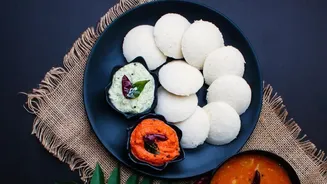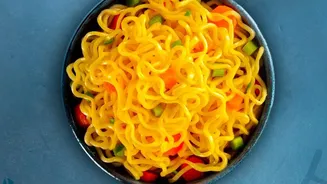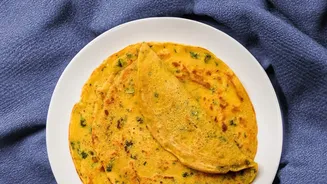

The Familiar Indian Plate
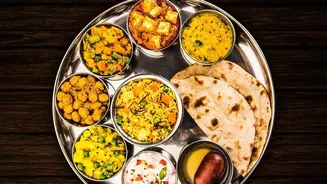
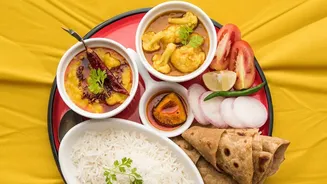
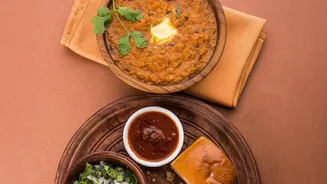
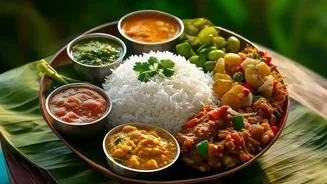
For many across India, a complete meal feels unfinished without both rice and roti. This combination is a cornerstone of our cuisine, a comforting and deeply ingrained culinary habit. The soft, fluffy rice is perfect for mixing with dal and curries, while
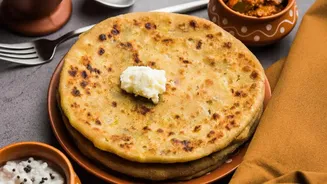
the pliable, chewy roti is used to scoop up vegetables and gravies. The experience of eating isn't just about flavour; it's tactile. Beyond this classic duo, the pattern repeats itself in countless other beloved dishes. Consider the humble samosa, where a spiced potato filling is encased in a crispy, flour-based pastry. Or Aloo Paratha, a breakfast favourite that stuffs the starchy goodness of potatoes directly into a wheat flatbread. In each instance, two distinct sources of carbohydrates are brought together to create a single, satisfying dish.
A Surprising Western Parallel
Travel west, and you'll find the same principle at play, albeit with different ingredients. One of the most iconic food pairings in the world is a burger and fries—a bread bun served with a side of fried potatoes. The classic British meal of fish and chips features battered fish (a flour coating) alongside fried potatoes. The tradition extends to hearty comfort foods as well. Shepherd's pie and cottage pie are beloved dishes made with a meat filling and topped with a thick layer of mashed potatoes, often served with bread on the side to mop up the gravy. Some pizzerias even offer toppings like thinly sliced potatoes, placing one starch directly on top of another. Just like in India, these combinations are not seen as unusual but as perfectly natural pairings.
Why Our Plates Look This Way
This cross-cultural habit is no coincidence; it’s driven by sound culinary logic. The primary reason is creating a more satisfying meal. Combining different textures—like the chew of bread with the softness of potato, or the fluffiness of rice with the structure of a roti—makes food more interesting to eat. Furthermore, staple carbohydrates act as the perfect vehicle for flavour. Both rice and bread are brilliant at soaking up delicious sauces, gravies, and curries, ensuring that not a single drop of flavour is wasted. Having two different types of carbs on one plate simply offers two different, equally enjoyable ways to accomplish this. It allows the diner to switch between scooping with a flatbread and mixing with grains, enhancing the overall experience.
The Roots of the Double-Carb Meal
The practice is also deeply rooted in economics and agriculture. For centuries, staple foods like wheat, rice, and potatoes have been inexpensive, accessible, and calorie-dense sources of energy. They formed the backbone of diets for working populations who needed hearty meals to fuel them through long days of physical labour. In regions of India where both wheat and rice are grown, it was natural for both to feature prominently in meals. Similarly, in Europe and North America, wheat and potatoes were affordable and abundant staples that could easily form the bulk of a filling meal. What began as a practical way to ensure satiety gradually became embedded in culinary tradition, passed down through generations until it became the comforting norm we know today.
A Modern Nutritional Perspective
In recent years, the practice of eating 'double carbs' has come under scrutiny. Old theories around 'food combining' suggested that eating two starches at once was bad for digestion, but this idea is not supported by modern science. Our digestive system is well-equipped to handle mixed meals. The more relevant concern today is about portion control and overall calorie intake. Since both sources are high in carbohydrates, consuming large amounts of both in one sitting can lead to a blood sugar spike and contribute to weight gain. Nutrition experts advise that instead of eliminating the combination entirely, it's better to be mindful of portions. Balancing a smaller serving of these carbs with ample protein and fibre from vegetables can create a more well-rounded and healthier meal.