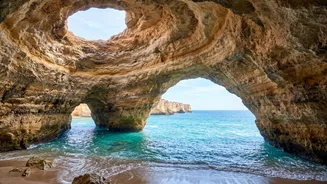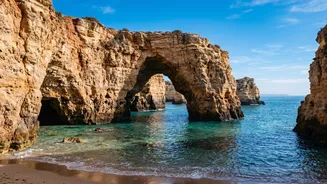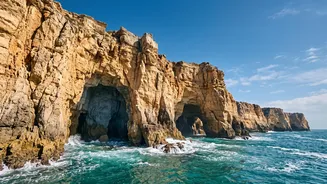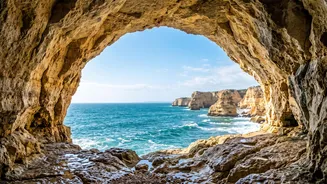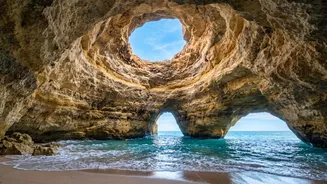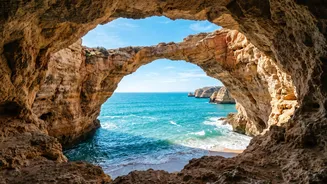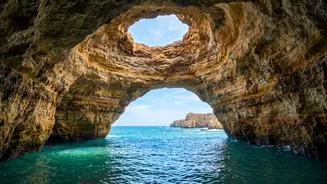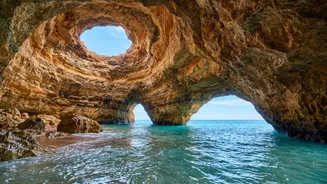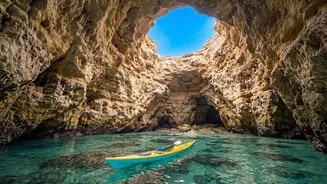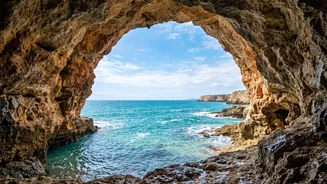



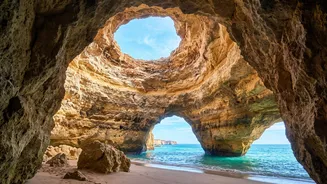
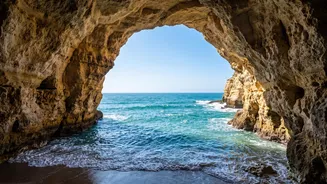
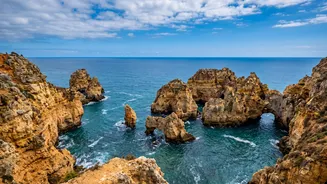
The Algarve's sea caves are a world-renowned natural spectacle. But as their popularity grows, so does the strain on this fragile coastline. Here’s how to ensure your short visit is both breathtaking and responsible, protecting this treasure for years
to come.
Understanding the Fragile Coastline
The golden cliffs and stunning sea caves of the Algarve, including the famous Benagil Cave, are primarily composed of soft sandstone and limestone. This geological makeup makes them highly susceptible to erosion from both natural forces like wind and waves, and human impact. The sheer volume of tourism has accelerated this process. Problems like overcrowding, noise pollution from boats, and illegal climbing on delicate rock formations threaten the structural integrity of the caves and disturb local marine ecosystems. Recent reports highlight the significant retreat of Portugal's shorelines due to a combination of climate change and intense urban and tourist development. This makes mindful tourism not just a preference, but a necessity for the region's survival.
Navigating the New Rules
In response to safety concerns and environmental pressures, Portuguese maritime authorities have implemented strict regulations for visiting the Benagil Cave system. As of August 2024, it is strictly forbidden to land or disembark on the sand inside the cave. Swimming into the cave is also banned due to unpredictable currents and heavy boat traffic. Access is now limited to licensed boat tours and guided kayak or stand-up paddleboard (SUP) tours. These rules were created to ensure visitor safety, prevent accidents from rockfalls, and reduce the human footprint on the cave's delicate interior. Unlicensed or unguided rentals are no longer permitted in the immediate area, so booking with a certified operator is the only legal way to experience the cave from the water.
Choosing a Responsible Tour Operator
The most significant choice you can make is your tour operator. Look for companies that explicitly promote sustainable and eco-friendly practices. Many now operate smaller boats to reduce congestion and noise, or use electric and solar-powered catamarans that produce zero emissions. These tours offer a quieter, more intimate experience that respects the natural environment. Inquire about group sizes; smaller groups have a lower impact. A reputable company will provide a thorough safety briefing before departure, ensure everyone has a life jacket, and be staffed by guides who are knowledgeable about local ecology and the importance of conservation. Booking with a licensed, eco-conscious operator ensures you are supporting businesses that are invested in the long-term health of the coastline.
Practice 'Leave No Trace' at Sea
The 'leave no trace' principle extends to the ocean. Under no circumstances should you touch the cave walls or rock formations, as this can accelerate erosion. Ensure you take all of your belongings and any waste back with you, and never throw anything overboard. Respect the marine wildlife by observing from a distance; avoid loud noises that could disturb birds or other animals. If your tour includes a swim stop, do so only in designated areas and avoid using soaps or sunscreens that are not reef-safe, as chemicals can harm marine life. Following these simple guidelines helps preserve the pristine beauty of the caves and their surroundings for everyone.
Explore Beyond the Cave by Boat
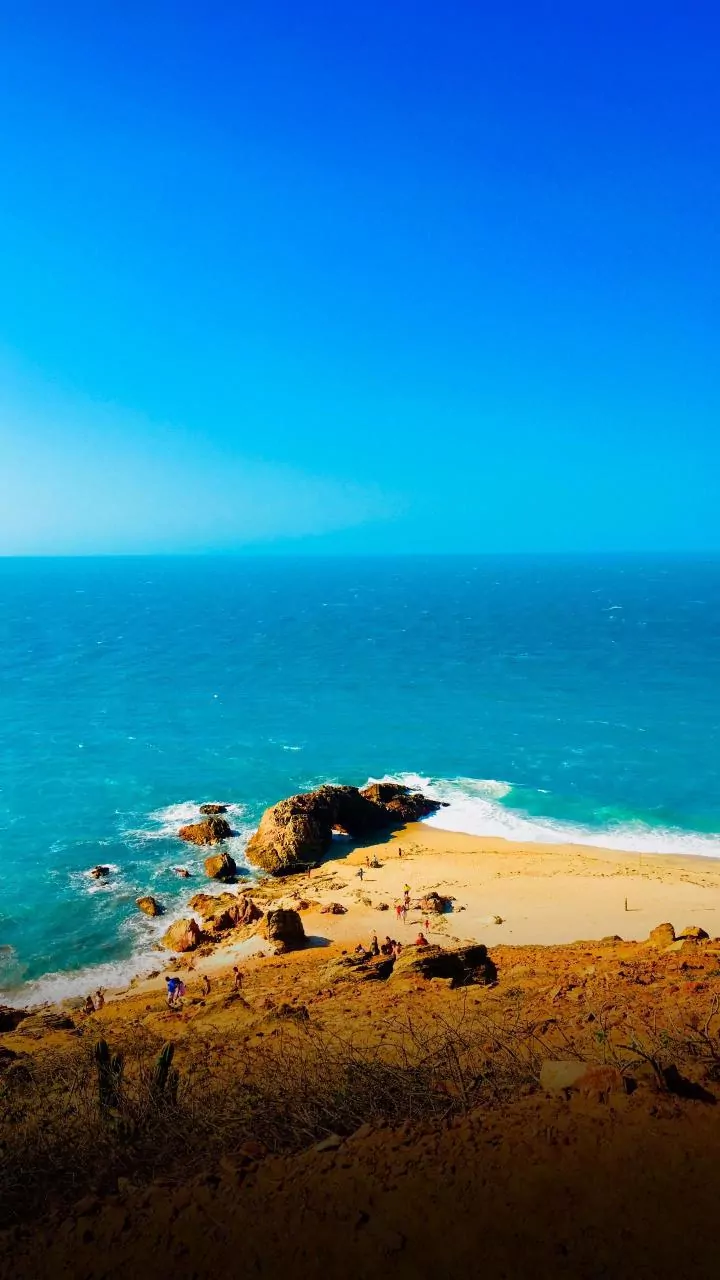
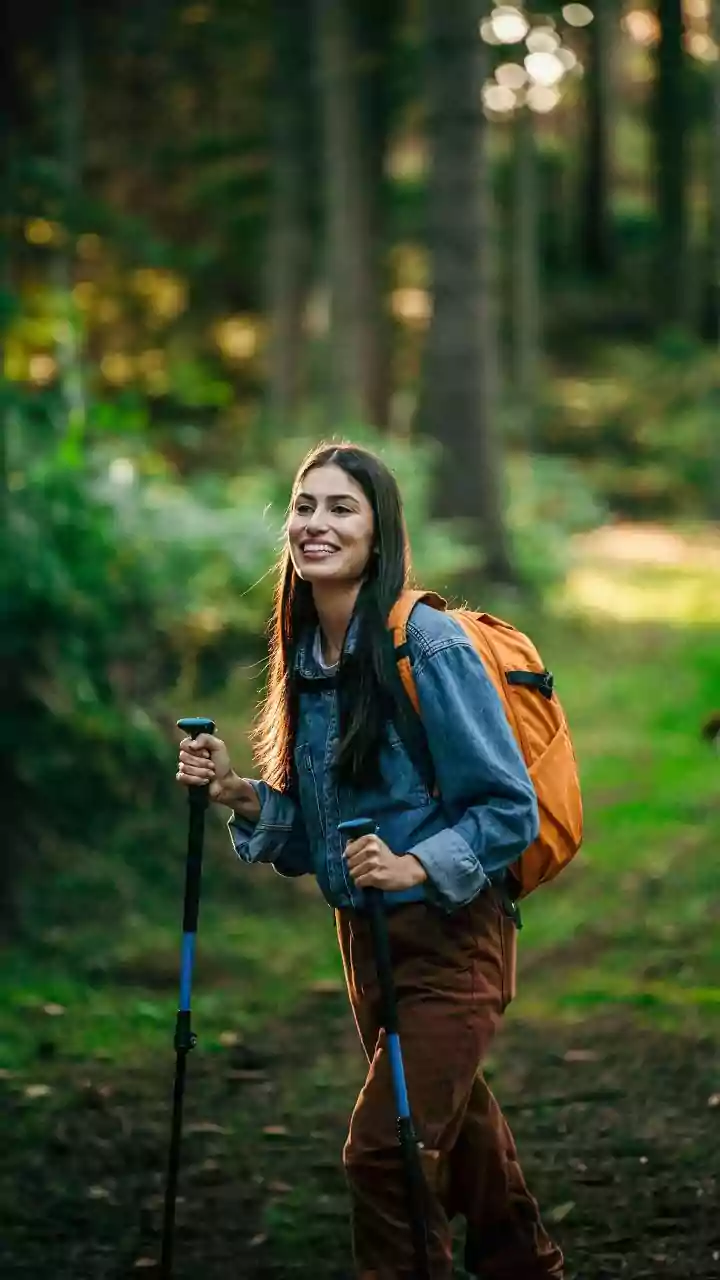
A responsible trip can also mean exploring in different ways. The Algarve's coastline is stunning from above, too. Consider hiking a section of the Seven Hanging Valleys Trail, a scenic clifftop path that offers spectacular views down into the Benagil Cave's 'oculus' or skylight, and across many other secluded beaches and coves. This is a fantastic way to appreciate the landscape without contributing to boat traffic. You can also engage in other low impact activities, like joining a guided cycling tour along coastal paths or visiting the Ria Formosa Natural Park for birdwatching. These alternatives support local tourism while spreading the environmental load more evenly across the region.