




The Seduction of 'World-Class'
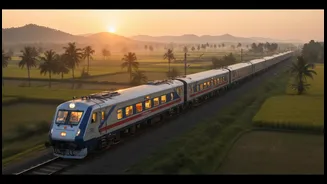
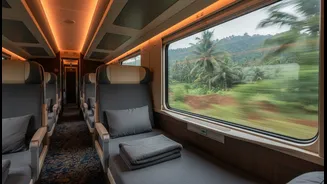
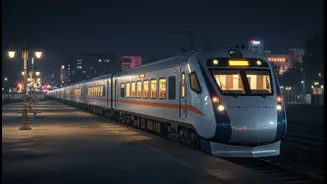
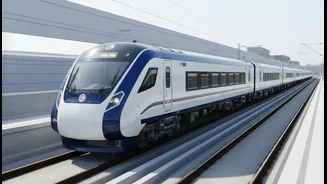
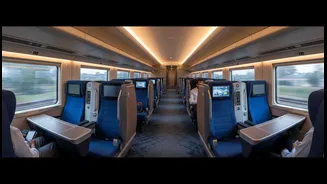
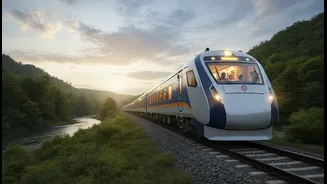
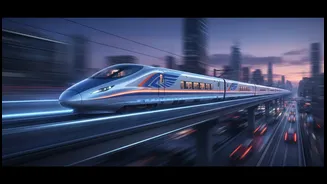
The arrival of trains like the Vande Bharat Express has been a source of national pride. With their aerodynamic designs, ambient lighting, and promises of semi-high-speed travel, they represent a significant leap forward. The government's vision is to
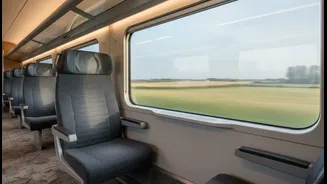
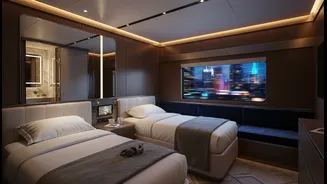
create a 'future-ready' railway system that aligns with global standards, enhancing speed, safety, and passenger experience. This push for modernisation is often framed as meeting the aspirations of a new India that wants and deserves the best. These new services, with their superior amenities and improved ride quality, are positioned as symbols of progress, a clear departure from the railway designs of past decades. This is the 'flash' — a tangible, visible upgrade that looks great in promotional videos and news reports.
The Passenger's Unchanging Wishlist
However, for the average passenger, the definition of a 'world-class' experience often boils down to something far more fundamental. The most persistent complaints and requests are not about the absence of designer fittings, but about the basics. These include the perennial struggle for a confirmed ticket, the unpredictability of train schedules, the constant worry about overcrowding in unreserved coaches, and the basic need for clean, functional toilets throughout a long journey. While new trains aim for better punctuality, the broader network is still plagued by delays that frustrate millions. A Reddit forum on Indian Railways is filled with users pointing out that despite the hype, the actual time saved on many new premium routes is minimal compared to the price difference. These core issues represent the foundational pillars of a good travel experience that many feel are being overlooked in the race for cosmetic upgrades.
When Frills Fail to Function
The problem with flashy elements is that they require consistent, high-quality maintenance, a challenge for a network as vast and complex as Indian Railways. A brand-new infotainment screen is useless if it's switched off. A stylish, sensor-based tap is a point of frustration if it doesn't dispense water. Even the creator of the Vande Bharat Express, Sudhanshu Mani, has offered critiques, noting issues with low occupancy on certain routes and pointing out that some fittings show signs of cost-cutting. Passengers on social media often echo this sentiment, arguing that many high-tech additions feel more like a gimmick than a genuine improvement, especially when basics like luggage space are compromised. These underperforming frills don't just waste resources; they breed cynicism, making passengers feel that style is being prioritised over substance.
The Case for Functional Modernisation
Redirecting focus from flashy aesthetics to functional reliability is not an argument against progress. Instead, it's a call for a different kind of modernisation. Investment in upgrading tracks to handle higher speeds across the entire network, for instance, benefits all trains, not just premium ones. Expanding the network and increasing the frequency of trains directly addresses the crushing demand and overcrowding. The recent move to upgrade the decades-old Passenger Reservation System is a perfect example of a non-flashy, backend upgrade that will have a massive positive impact on the booking experience for millions. Similarly, initiatives to build more passenger holding areas at busy stations to manage crowds are practical solutions that genuinely improve the travel experience. These are the investments that strengthen the very foundation of the railway system.