




Beyond the Juice and Powder
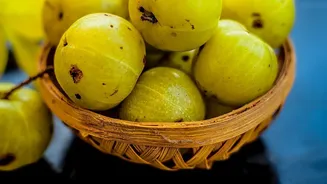
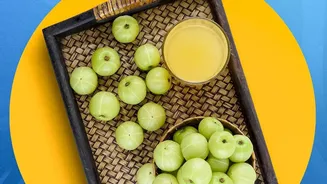
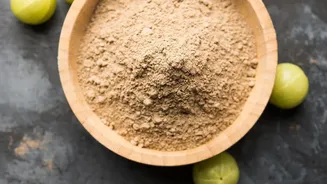
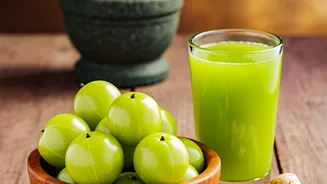
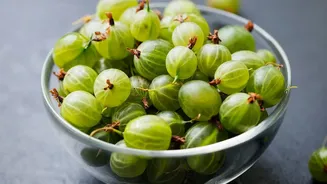
For many, amla, or the Indian gooseberry, exists in two forms: a sharp-tasting health juice or a fine powder to be mixed with water. While its immense health benefits, particularly its high vitamin C content, are undeniable, this narrow view misses the point
of what makes amla so special. In kitchens across India, it has long been celebrated not just for wellness, but for its incredible culinary versatility. The secret lies in understanding its unique taste—a complex blend of sour, astringent, and slightly bitter notes—and learning how to balance it. By embracing its sharp flavour instead of just masking it, you can transform amla into a star ingredient that adds brightness and depth to a wide range of dishes.
Taming the Tang with Sweetness
The most traditional way to mellow amla's intense sourness is by pairing it with a sweet counterpart. This is the principle behind the classic amla murabba, where whole gooseberries are preserved in a sugary syrup, turning them into a tender, jewel-like confection. Jaggery is a fantastic, earthy partner for amla, its caramel notes complementing the fruit's tartness beautifully in chutneys and preserves known as 'launji'. But you don't have to stop there. A drizzle of honey over fresh amla slices creates a simple, throat-soothing snack that balances flavours perfectly. For a more modern twist, consider making an amla-infused simple syrup to use in mocktails or as a drizzle over desserts, providing a sophisticated sweet-and-sour kick.
Embracing the Heat with Spice
Amla’s sharp character makes it a perfect foil for spicy and pungent flavours. Its acidity cuts through richness and provides a refreshing contrast, which is why it's a cornerstone of many Indian pickles (achaar). Spices like mustard seeds, fenugreek (methi), fennel seeds (saunf), and asafoetida (hing) are classic pairings that bloom in hot oil before the amla is added, creating layers of complex flavour. Chillies, both fresh and dried, provide a heat that is beautifully tempered by the gooseberry's sour notes. Even a simple pinch of black pepper can elevate amla, as it is believed to help the body better absorb its nutrients. For an easy introduction, try making a simple amla rasam, a thin, spicy soup where amla provides the signature tangy base instead of the more common tamarind.
The Underrated Role of Texture
One of the most overlooked aspects of cooking with amla is texture. Moving beyond soft murabbas and smooth chutneys can completely change your perception of the fruit. For a delightful crunch, try grating raw amla into salads or slaws, much like you would a tart green apple. Finely sliced amla can also be stir-fried with other vegetables, adding a tender-crisp element and a burst of flavour. To create a satisfying bite, avoid overcooking amla in dishes like chutneys; it should be tender but still hold its shape. Another approach is to create textural contrast around the amla. For example, a creamy yogurt-based kadi gets a flavour boost from amla puree, while a topping of roasted peanuts or crispy fried lentils can add the crunch that makes the dish truly memorable.
Putting It All Together
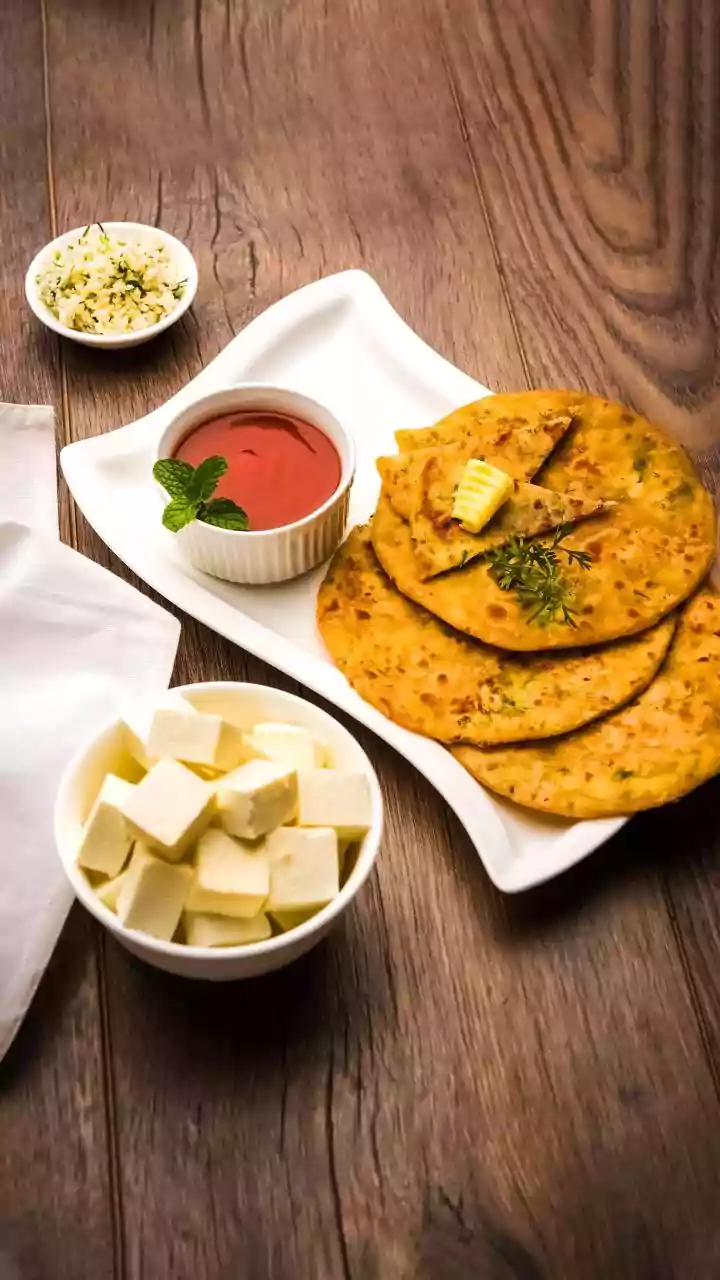
Ready to experiment? Start small. Try adding finely chopped or grated amla to your next batch of dal or rice for a subtle tang. A simple amla chutney made with coriander, mint, and green chilli is a refreshing accompaniment to almost any meal. You can even incorporate amla powder into your dough for rotis or parathas for a slight sour note. For something truly different, try making amla rice, a South Indian specialty where grated amla is sautéed with spices and mixed with cooked rice, creating a dish that is bright, flavourful, and exciting. The goal is not to hide the amla, but to let its unique taste shine by surrounding it with complementary flavours and textures.