



Understanding the Core Philosophy
The Mediterranean diet is less a strict set of rules and more a lifestyle pattern. It prioritizes whole foods, plant-based meals, healthy fats, and lean proteins while minimizing processed items, sugar, and unhealthy fats. It emphasizes vegetables, fruits,
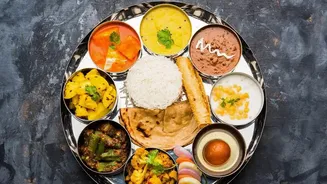
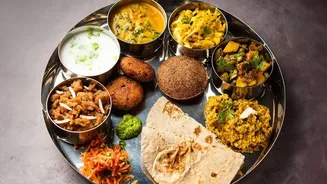
legumes, whole grains, and flavorful herbs and spices. When you look closely, you’ll find that many of these principles are already staples in Indian culinary traditions. The key is to refine our choices and cooking methods, not to overhaul our entire way of eating. Research has even shown that an Indian-adapted Mediterranean diet can lead to improvements in key health markers.
Embrace Healthy Fats, Indian Style
Extra virgin olive oil is the hallmark of Mediterranean cooking, but Indian kitchens have their own valuable alternatives. Cold-pressed mustard oil, groundnut oil, and sesame oil are rich in heart-healthy monounsaturated fats, similar to olive oil. These oils are perfect for tadkas, marinades, and general sautéing. While ghee is a saturated fat, it can still be used sparingly for its flavour and traditional significance, much like butter is used in some regional Mediterranean cooking. The goal is to move away from refined vegetable oils and hydrogenated fats toward healthier, less processed options.
Celebrate Our Grains and Legumes
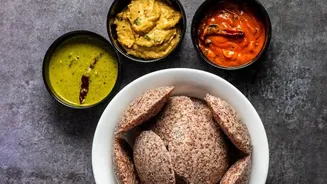
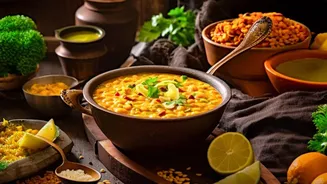
The Mediterranean diet encourages whole grains over refined ones. This is a simple swap in an Indian context. Instead of white rice and maida-based breads, opt for brown rice, whole wheat atta for chapatis, and our incredible variety of millets like jowar, bajra, and ragi. These grains are high in fiber and have a lower glycemic index, providing sustained energy. Legumes are another area where Indian cuisine shines. Dal, chana masala, and rajma are already plant-based protein powerhouses, perfectly mirroring the Mediterranean emphasis on beans and lentils.
Load Up on Local Vegetables and Fruits
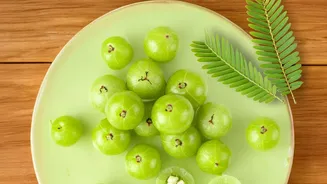
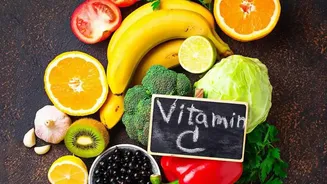
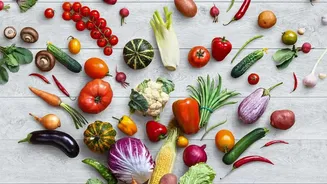
A plate rich in colourful vegetables is central to this way of eating. Both Mediterranean and Indian cuisines make great use of vegetables like tomatoes, eggplant (baingan), and leafy greens like spinach (palak). Embrace the vast array of local and seasonal Indian vegetables like okra (bhindi), gourds, and fenugreek leaves. For fruits, look beyond apples and bananas to include local favourites like mangoes, papayas, and guavas, which are packed with vitamins and antioxidants. A homemade mango lassi with plain yogurt and no added sugar is a perfect example of a healthy adaptation.
Choose Proteins Mindfully
The Mediterranean approach favours fish and poultry over red meat. For non-vegetarians, this means incorporating more grilled or baked fish and chicken into their diet. For the large vegetarian population in India, the diet is a natural fit. Protein sources like paneer, lentils (dal), and chickpeas (chana) are excellent choices. Fermented dairy products like dahi (yogurt) and buttermilk are also encouraged, fitting seamlessly into the Indian meal structure and supporting gut health.
The Shared Love for Spices
Perhaps the strongest link between Indian and Mediterranean food is the reliance on herbs and spices for flavour instead of excess salt or fat. Indian cooking’s use of turmeric, cumin, coriander, ginger, and garlic not only adds incredible taste but also offers potent anti-inflammatory and antioxidant benefits. This shared principle makes the fusion seamless. Combining these spices with healthy fats and a bounty of vegetables is the essence of creating a delicious and heart-healthy Indo-Mediterranean plate.