


Understanding Besan: More Than Just Chickpea Flour
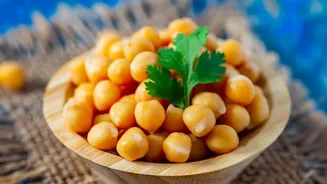
At its heart, besan is simply flour made from chickpeas. However, the type of chickpea matters. Traditional Indian besan is ground from chana dal, which are the hulled and split halves of small, dark chickpeas known as kala chana or Bengal gram. This
is different from what is often labelled 'chickpea flour' in other countries, which is typically made from the larger, paler kabuli chana used for hummus. Besan made from chana dal has a finer texture and a distinctively nutty, earthy flavour that is essential for authentic Indian dishes. The coarser flour from kabuli chana can result in a grainier batter and a slightly different taste.
The Freshness Factor: Does Newly Milled Besan Make a Difference?
The term 'freshly milled' simply means the flour was ground close to the time of use, rather than months ago. The primary benefit is a more vibrant aroma and a nuttier, sweeter flavour, as the natural oils in the grain are still intact. Packaged besan, designed for a long shelf life, can lose some of this aromatic quality over time. Old or improperly stored besan can even develop a bitter taste, which will spoil your chilla. While freshly milled flour isn't a magic bullet, starting with besan that has a recent milling or packing date ensures you get the best possible flavour. For optimal freshness, store your besan in an airtight container, refrigerated if you don't plan to use it quickly.
Crafting the Perfect Chilla Batter
The success of your chilla hinges on the batter's consistency. It should be smooth and of a pouring consistency—not too thick, which makes a dense, stodgy chilla, and not too thin, which can cause it to tear. Add water gradually while whisking continuously to prevent lumps. Once mixed, let the batter rest for at least 10-20 minutes. This crucial step allows the besan to fully hydrate, resulting in a softer, more evenly cooked chilla. If you're adding vegetables like onion and tomato, chop them very finely to ensure they don't prevent the chilla from spreading evenly. It's also best to add them just before cooking so they don't release too much water into the rested batter.
Cooking Tips for Flawless Chillas
Patience is key when it comes to cooking chillas. Use a flat non-stick pan or a well-seasoned tawa over medium heat. If the pan is too hot, the outside will brown before the inside is cooked, leaving a raw, slightly bitter taste. If it's too cool, the chilla will be pale and may stick to the pan. Pour a ladleful of batter and spread it in a circular motion. Drizzle a little oil around the edges and cook for 2-3 minutes, or until the top looks matte and the edges begin to lift away from the pan. Then, flip and cook the other side for another minute or two until golden spots appear. For a softer chilla, cover it immediately after taking it off the pan. For crispier edges, spread the batter a little thinner and add a touch more oil.
A Nutritional Powerhouse
Beyond its convenience, the besan chilla is a wonderfully healthy choice. Besan is naturally gluten-free and a great source of plant-based protein and dietary fibre. This combination helps keep you feeling full for longer, making it an excellent meal for weight management. With a low glycemic index, it provides sustained energy without causing sharp spikes in blood sugar, which is beneficial for individuals managing diabetes. It's also rich in essential micronutrients like iron, magnesium, and folate, supporting overall health and well-being. Adding vegetables or paneer further boosts its nutritional profile.