






A ₹10,783 Crore Vision
The Cabinet Committee on Economic Affairs (CCEA) has given the green light to three significant multi-tracking projects with a combined cost of ₹10,783 crore. This investment will fund the addition of approximately 656 kilometers of new railway lines
across West Bengal, Jharkhand, Odisha, Madhya Pradesh, and Chhattisgarh. The projects are being executed under the PM Gati Shakti National Master Plan, which focuses on integrated planning to improve logistics efficiency across the country. The government has set a target for the completion of these projects by the 2029-30 financial year, signaling a long-term commitment to upgrading the nation's core infrastructure.
The Core Projects Unveiled
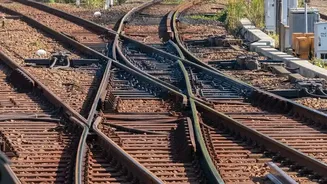
The expansion centers on three critical projects designed to de-congest some of the busiest railway corridors. These include adding a fourth line on the vital Kharagpur-Jharsuguda (Bagdehi) section and the Katni-Pendra Road section. Additionally, a third line will be constructed between Bilaspur (Uslapur) and Pendra Road. By adding more tracks to these existing routes, a process known as multi-tracking, Indian Railways aims to significantly increase the line capacity. This will allow for more trains to run simultaneously, reducing delays and improving the overall efficiency and reliability of both passenger and freight services.
Boosting Freight and Industry
A primary driver for this massive overhaul is the need to support India's industrial growth. These railway lines are crucial arteries for transporting bulk commodities like coal, cement, iron, and steel. By enhancing capacity, the government estimates that these new lines will support an additional 27 million tonnes of freight traffic per year. This is expected to streamline supply chains for key industries, reduce logistics costs, and provide a more environmentally friendly mode of transport compared to road networks. The expansion is a strategic move to strengthen the economic backbone of these mineral-rich states.
What It Means for Passengers
Beyond the economic benefits, the expansion holds significant promise for everyday commuters and travelers. The projects will directly improve connectivity for nearly 4,790 villages across 14 districts, impacting a combined population of around 5.6 million people. For residents in these areas, better rail links mean easier access to major cities, employment centers, educational institutions, and healthcare facilities. The decongestion of tracks will also lead to more reliable and potentially faster passenger train services. Furthermore, the improved network will enhance access to several important tourist, religious, and ecological destinations, including the Bandhavgarh Tiger Reserve, Amarkantak Temple, and the Taratarini Temple.