




An Undiscovered Gem of Indian Tea
For many tea lovers, Nilgiri is an undiscovered territory, but it is one of India's three official tea-growing regions, alongside Assam and Darjeeling. Grown in the stunningly scenic hills of Tamil Nadu, these teas are often described as fragrant, medium-bodied,
and wonderfully smooth. Unlike the malty boldness of Assam or the complex seasonal notes of Darjeeling, Nilgiri tea offers a consistently bright, crisp, and aromatic cup that is remarkably low in bitterness or astringency. This makes it incredibly approachable and versatile, a quality that has earned it the nickname 'a blender's dream' among tea masters. Its light but full-bodied flavour profile makes it a refreshing discovery for anyone looking to expand their tea horizons.
The Terroir of the 'Blue Mountains'
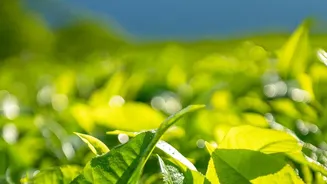
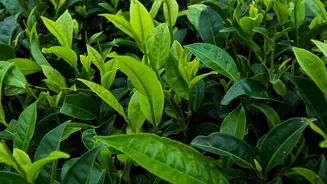
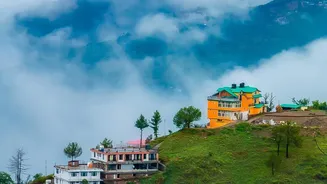
The secret to Nilgiri tea’s unique character lies in its geography. The name 'Nilgiri' literally translates to 'Blue Mountains', a name earned from the blue haze that blankets the hills and the periodic blooming of the purplish-blue Neelakurinji flower. These hills, part of the ancient Western Ghats, have plantations at elevations ranging from 1,000 to 2,500 meters, among the highest in the world. The region is blessed with two monsoon seasons, providing year-round rainfall, while the high altitude ensures cool nights and sunny days. This unique climate, combined with the area's lateritic loam soils, slows the growth of the tea leaves, concentrating the aromatic compounds that give the tea its distinctive floral and fruity notes.
A Symphony of Floral and Fruity Notes
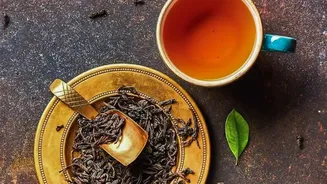
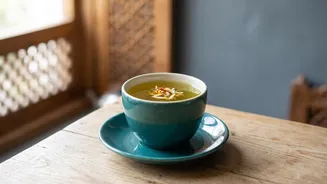
The flavour profile is where Nilgiri truly shines. A well-brewed cup has a bright, golden-yellow liquor and is intensely aromatic. The primary notes are distinctly floral and fruity, with descriptions often mentioning hints of citrus, wildflowers, and even dusk flowers. It’s a clean, crisp flavour without the heavy tannins found in other black teas, resulting in a naturally sweet and smooth finish that is gentle on the palate. Some enthusiasts detect a subtle spiciness or a nutty aftertaste. This vibrant bouquet of flavours is preserved through the 'orthodox' or traditional processing method, which keeps the tea leaves whole or in large pieces, protecting their delicate essential oils.
The Special Magic of 'Frost Tea'
While Nilgiri tea is harvested year-round, the most prized pluckings occur in the winter. From December to March, the cold nights can bring a light frost to the highest tea gardens. This cold snap stresses the tea plants, causing them to produce a higher concentration of aromatic compounds as a defensive mechanism. The leaves harvested during this period, often called 'Frost Tea', are exceptionally fragrant and sweet. These special winter harvest teas are known for their rosy, complex flavour, sometimes compared to ice wine, and represent the pinnacle of Nilgiri craftsmanship.
How to Best Enjoy Your Brew
To fully appreciate the delicate aromas of Nilgiri tea, it is best enjoyed plain, without milk or sugar. Use water that is just below boiling, around 90-95°C, and steep the leaves for about three to four minutes. Over-steeping is less of a concern than with other black teas due to its low astringency. One of Nilgiri's most celebrated uses is in iced tea. Unlike many other black teas that can turn cloudy or bitter when chilled, Nilgiri tea stays remarkably clear and bright. Its natural sweetness and citrusy undertones become even more pronounced when cold, creating a perfectly refreshing beverage that needs little to no sweetening.