




There’s a common myth that vegetarian meals can't be truly filling. If you’ve ever felt hungry an hour after dinner, you know the feeling. But crafting a satisfying plant-based plate is easier than you think and it isn't a secret.
The Science of Satiety
The key to a meal that
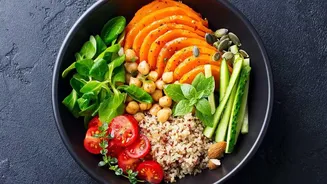
sticks with you isn’t about volume, but about composition. The feeling of fullness, or satiety, is a complex process influenced by the nutrients in your food. The winning formula revolves around three key components: protein, fiber, and healthy fats. Protein and fiber are known to slow down digestion, helping you feel full for longer. Fiber, in particular, adds bulk to meals, while healthy fats enhance flavor and contribute to a sense of satisfaction by slowing stomach emptying. Building your meals with a conscious combination of these three elements is the most effective strategy for preventing that post-meal, pre-snack hunger. It’s not about eating more, but eating smarter.
Mastering Protein Powerhouses
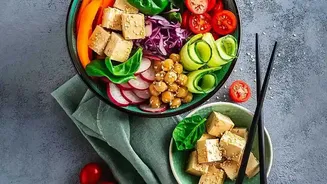
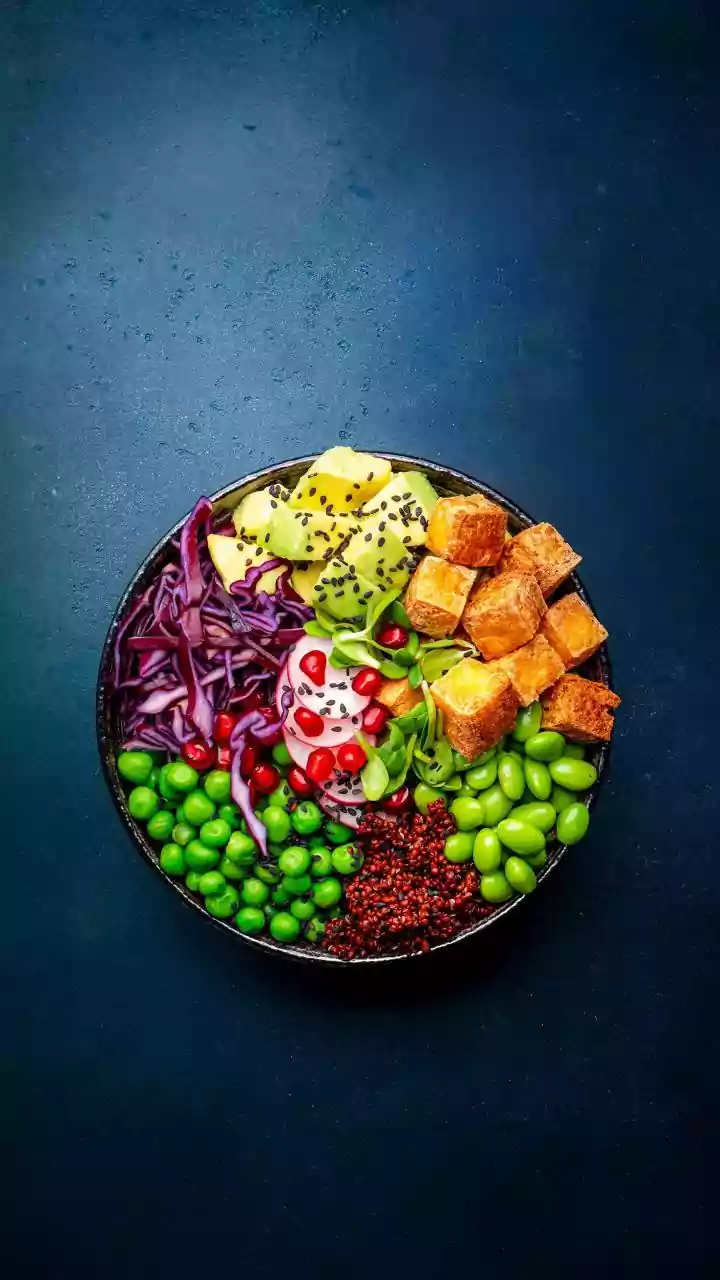
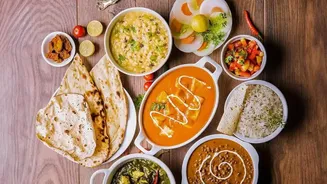
When we think of vegetarian protein, dal and tofu are often the first to come to mind, and for good reason. Lentils, the star of any dal, offer around 18 grams of protein per cooked cup, while tofu is a versatile option with up to 20 grams per 100g serving. But the world of plant-based protein is vast. Expand your repertoire with chickpeas and black beans, which are packed with both protein and fiber. Seitan, made from wheat gluten, offers a uniquely meaty texture and a high protein count. For a quick boost, consider edamame, which provides about 17 grams of protein per cup. Even whole grains like quinoa are a source of complete protein, meaning they contain all nine essential amino acids.
Fibre Is Your Friend
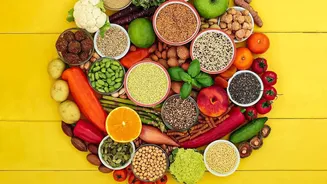
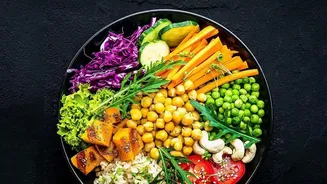
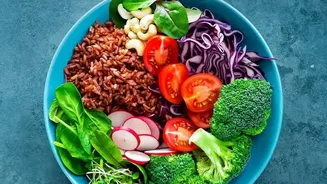
Fibre is the unsung hero of filling meals. It's the part of plant foods that your body can't digest, which is precisely why it’s so beneficial for satiety. It adds bulk, slows the absorption of sugar into the bloodstream, and keeps your digestive system running smoothly. While legumes are excellent sources, don’t overlook other fibre-rich foods. Incorporate a variety of vegetables like broccoli, Brussels sprouts, and carrots into your meals. Swap refined grains for whole grains such as brown rice, barley, and oats. Fruits are also a great source; apples, pears, and berries are particularly high in fibre that contributes to feeling full. A simple rule is to make half your plate vegetables at every meal.
Embrace Healthy Fats
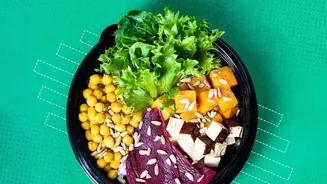
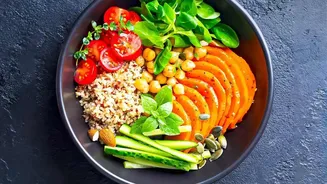
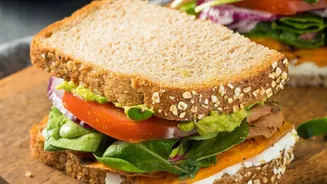
Fat has been unfairly villainized in the past, but healthy fats are crucial for a satisfying meal. They add richness and flavour, and they play a key role in making you feel full. Nuts and seeds are nutritional powerhouses, providing a trifecta of protein, fiber, and healthy fats. A sprinkle of toasted pumpkin seeds or chopped almonds can add a delightful crunch and a significant satiety boost to salads, soups, and curries. Avocado is another excellent source, adding a creamy texture to sandwiches and bowls. Don't forget nut butters; a spoonful of almond or cashew butter can transform a simple snack, while tahini (sesame seed paste) can be whipped into creamy dressings and sauces.
The Art of Flavour and Texture
Satisfaction isn't just physiological; it's also psychological. A meal that is interesting to eat will feel more gratifying. This is where flavour and texture come in. Aim for a variety of textures on your plate: the crunch of nuts, the creaminess of avocado, the chewiness of whole grains. Another powerful tool is umami, the fifth taste often described as savory or meaty. You can find it in plant-based ingredients like mushrooms (especially dried shiitakes), soy sauce, miso paste, and tomato paste. Layering these umami-rich ingredients can create a deep, complex flavour that makes a dish feel incredibly hearty and complete without any meat.