


A New Itinerary for the Indian Soul
Solo travel in India is no longer a niche pursuit but a powerful, mainstream movement. Recent reports indicate a significant boom, with a vast majority of Indians planning solo trips. While metros like Mumbai and New Delhi remain popular for their accessibility
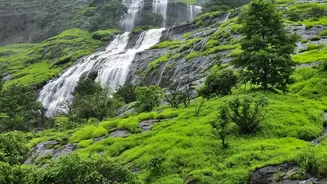
and vibrant energy, a fascinating shift is underway. An increasing number of solo explorers, particularly women, are bypassing the urban sprawl. They are seeking the quietude of mountain ranges and the profound narratives embedded in the country's ancient heritage cities, signaling a deeper evolution in travel priorities.
Beyond the Urban Hustle
What’s driving this migration of the soul from concrete jungles to serene landscapes? The reasons are as diverse as the travelers themselves. A primary motivator is the quest for self-discovery and a break from the chaos of daily life. Many travelers are looking to reconnect with themselves in environments that offer peace and reflection. The pandemic has also amplified the desire for open spaces and nature-focused getaways. Furthermore, the rise of digital influence, with social media feeds glorifying Himalayan treks and historic ruins, has made these destinations more aspirational and accessible than ever before. This digital word-of-mouth removes fear and sparks curiosity, painting a vivid picture of what lies beyond the city limits.
The Call of the Mountains
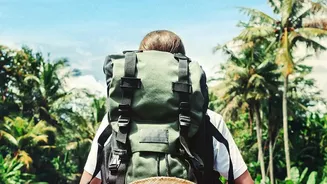
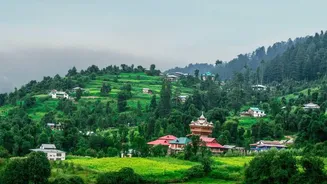
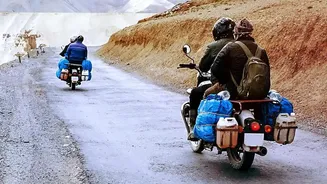
The Himalayas have emerged as a sanctuary for the solo traveler. Destinations in Himachal Pradesh, such as Kasol, Jibhi, and the areas around Manali, offer a perfect blend of solitude and community. These places are buzzing with backpacker-friendly hostels and cafes, making it easy to meet like-minded people. Beyond Himachal, regions like Rishikesh in Uttarakhand provide a unique mix of spiritual solace and adventure sports. The appeal of the mountains lies in their ability to offer both a physical challenge through trekking and a mental reset through their majestic tranquility. The growing popularity of destinations in the Northeast, like Shillong in Meghalaya, further highlights this trend, pointing towards a search for off-the-beaten-path experiences.
Whispers from Heritage Halls
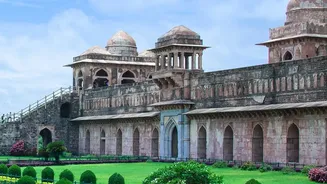
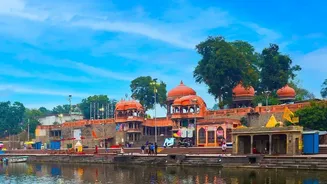
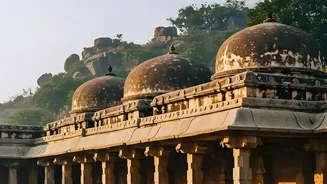
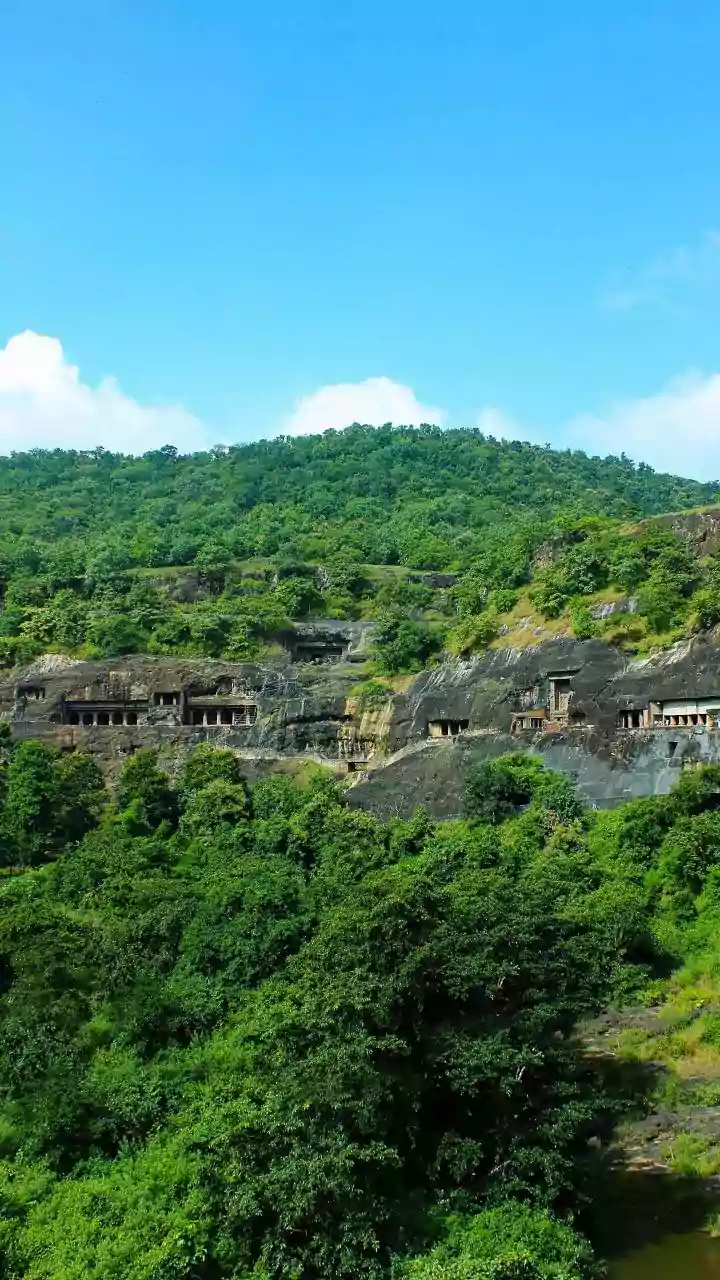
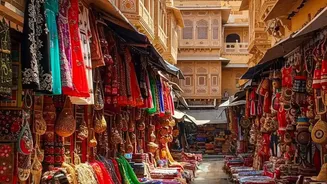
Alongside mountains, heritage cities are experiencing a renaissance among solo travelers. But this isn't just about ticking off the major monuments. Explorers are seeking a more immersive experience in historical narratives. Hampi, a UNESCO World Heritage Site in Karnataka, is a prime example, where travelers can spend days cycling through ancient ruins and soaking in the history of the Vijayanagara empire. Similarly, the walkable old quarters of Jaipur and the lakeside charm of Udaipur in Rajasthan offer a deep dive into culture, food, and artistry. These cities provide a tangible connection to the past, allowing travelers to wander through stories etched in stone, a pursuit that resonates deeply with the introspective nature of solo journeys.
The Enablers of the New Trail
This shift is not just about changing desires; it's also about improved infrastructure and a changing social landscape. The proliferation of affordable hostels and homestays in these once-remote areas provides safe and sociable accommodation. Better digital connectivity allows for 'workations,' blending productivity with exploration. Crucially, there's a growing perception of safety, particularly for the rising number of solo female travelers. The development of travel communities online and offline, women-only tour groups, and more reliable transport options have created a supportive ecosystem that empowers more people to embark on these transformative journeys with confidence.