




The Brain Behind the Upgrade
The Union Cabinet has approved a ₹1,789.52 crore project to implement a comprehensive Intelligent Traffic Management System (ITMS) in Delhi. This isn't just a minor tweak; it's a fundamental overhaul designed to give the city's traffic infrastructure
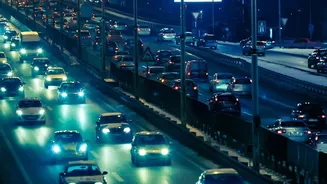
a 'brain'. Currently, most of Delhi's 1,500-plus traffic signals operate on fixed timers, leading to unnecessary waiting and congestion. The ITMS aims to replace this rigid structure with a dynamic, responsive network that uses real-time data to manage the city's staggering 71 lakh active vehicles more efficiently. The project, to be implemented by the Delhi Police over 24 months, will cover 42 key traffic corridors in three phases.
Automated Eyes on Every Corner
A major component of the ITMS is a robust automated enforcement system. Across 1,029 locations, AI-powered cameras will detect a wide range of traffic violations. This includes common offenses like jumping red lights, crossing stop lines, and speeding, but also extends to wrong-way driving, illegal parking, and even not wearing a helmet or seatbelt. The system will also automatically identify drivers using mobile phones. Once a violation is detected, the data will be sent through the e-Challan system for prompt action. Furthermore, AI analytics will assist police in identifying stolen or blacklisted vehicles and tracking repeat offenders or those involved in hit-and-run incidents.
Smarter Signals and Live Information
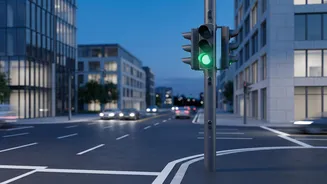
The days of waiting at an empty intersection may soon be over. The ITMS will deploy Adaptive Traffic Control Systems at 1,092 locations, allowing traffic signals to adjust their timings based on the actual volume of traffic. Using sensors and AI cameras, the system will analyze traffic density and queue lengths to create 'green waves' along corridors, reducing unnecessary stops and delays. For commuters, this means access to real-time information. Variable Message Sign boards and digital platforms will provide updates on congestion, accidents, diversions, and even parking availability. This information may also be shared with popular navigation service providers, allowing drivers to make better route choices before they even start their journey.
The Central Command and Control Centre
The heart of this entire operation will be the Traffic Command and Control Centres. These hubs will integrate traffic regulation, enforcement, and information dissemination onto a single, unified platform. From here, officials will get a real-time, city-wide view of the road network. The system is designed to automatically flag incidents like accidents, unusual traffic slowdowns, or vehicle breakdowns, sending alerts to the nearest traffic inspector for a quicker response. This centralised approach is a significant shift from the current system, where different enforcement and monitoring cameras often work in isolation. The new integrated system will be supported by a secure data centre and a disaster recovery plan to ensure it remains operational.
Priority for Emergency Services
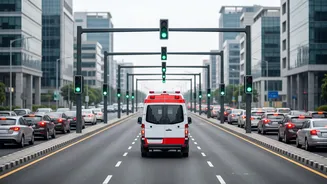
One of the most critical features of the new ITMS is its ability to create 'green corridors' for emergency vehicles. When an ambulance or fire tender needs to pass through a congested area, the system will use its GPS and traffic data to automatically provide a clear path with green signals. This promises to significantly reduce emergency response times, a crucial factor in saving lives. The system's ability to detect road blockages and incidents in real-time will also enable the Delhi Police to create diversions much faster, ensuring that emergency services are not held up by unexpected snarls.