
A New Philosophy: Tourism for the People
For years, Kerala's tourism success was a paradox. While resorts thrived, many local communities felt left behind, leading to conflicts over resources and a lack of shared benefits. The shift came with a powerful idea: what if tourism wasn't something
that just happened to a village, but something that happened for it? This question gave birth to Kerala's Responsible Tourism (RT) Mission in 2017, a government-led initiative built on a 'triple-bottom-line' philosophy of economic, social, and environmental responsibility. The goal was simple but revolutionary: to make local communities the primary beneficiaries of tourism by directly connecting them to the travel industry.
The Blueprint for Local Prosperity
The RT Mission works by creating direct links between tourists and the local populace. Instead of hotels sourcing supplies from cities, they are encouraged to buy produce, fish, and dairy directly from local farmers and self-help groups. This model extends to experiences, too. Tourists are invited to go on 'Village Life Experience' tours, where they can see coir-making, pottery, and traditional fishing firsthand, with the tour fees going directly to the villagers. Furthermore, the rise of homestays allows families to earn direct income by offering rooms and authentic local food, turning their homes into micro-enterprises and ensuring tourism revenue stays within the community.
Kumarakom: The Flagship Success Story
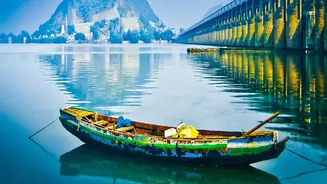
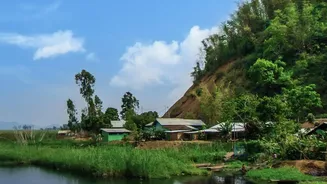
The village of Kumarakom is the poster child for this model's success. Chosen as a pilot project in 2007, it has become a global benchmark for responsible tourism, even winning awards from the United Nations World Tourism Organization. Before the initiative, locals were often excluded from the benefits of the luxury resorts dotting the Vembanad Lake. Today, the situation is vastly different. Women's empowerment has been a significant outcome, with Kudumbashree (a state poverty alleviation program) groups running catering services, handicraft units, and managing tours. Local procurement from farmers ensures that money circulates within the village, creating a self-sustaining local economy.
Replicating Success in New Villages
The success of Kumarakom is not an isolated incident. The model is being replicated across the state. In Maravanthuruthu, the 'STREET' (Sustainable, Tangible, Responsible, Experiential, Ethnic Tourism) project has transformed the village. As part of its 'Water STREET' initiative, local panchayats and the RT Mission revived 18 dying canals. This environmental restoration not only improved water security but also created new tourism opportunities like kayaking and cultural tours, earning the project international awards. The project has turned the village into a model for how tourism can be a tool for environmental conservation and economic development simultaneously.
The Road Ahead: Challenges and Opportunities
Despite its many successes, the path of sustainable tourism is not without its challenges. Ensuring the fair distribution of income across all community members, preventing the 'over-tourism' of sensitive rural areas, and maintaining cultural authenticity without turning it into a mere performance are ongoing concerns. Regulation is needed to prevent the degradation that can come with popularity. However, the model proves that with careful planning and strong community participation, tourism can move beyond simple economics. It becomes a tool for preserving the environment, celebrating local culture, and building resilient, self-sufficient rural communities for the future.