A Journey of Hours, Not a Day
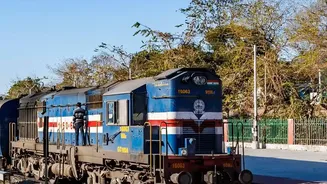
For decades, the journey between India's political capital and its spiritual heart has been a lengthy affair, often taking anywhere from eight to fifteen hours by train. The fastest service currently available, the Vande Bharat Express, completes the 759-kilometre
trip in about eight hours. However, a far more ambitious project is now in the works. The proposed Delhi-Varanasi high-speed rail corridor, part of a major infrastructure push announced in the Union Budget 2026-27, aims to cut this travel time to just under four hours. Projections suggest a journey of approximately 3 hours and 50 minutes, a revolutionary change for travellers.
The Bullet Train Blueprint
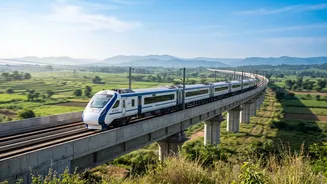
This is not just another fast train; it's a full-fledged bullet train project. The corridor is designed for trains operating at a maximum speed of 350 kmph, with an operational speed of around 320 kmph. The project is being managed by the National High Speed Rail Corporation Limited (NHSRCL), the same agency overseeing the Mumbai-Ahmedabad bullet train corridor. The plan includes about 12 stations along the 865-km route, connecting key cities and towns like Agra, Lucknow, Prayagraj, and even the upcoming Noida International Airport at Jewar. This network would effectively create a single economic and tourism zone across Uttar Pradesh.
Current Status: Planning, Not Paving
It is important to note that while the vision is exciting, the Delhi-Varanasi bullet train is not yet under construction. The project is currently in the Detailed Project Report (DPR) stage. This means that while groundwork like aerial LiDAR surveys and alignment planning has been completed, the final approvals, financing models, and construction timelines are yet to be sanctioned. The Delhi-Varanasi route has been identified as a priority among the seven new high-speed corridors announced by the government, suggesting it is high on the agenda. It represents the next phase of India's high-speed rail ambitions, moving beyond the first corridor in the west and into the populous northern heartland.
The Impact on Travel and Tourism
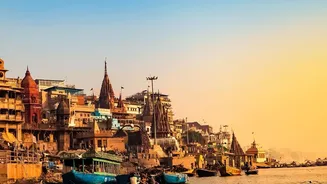
The implications of this project are immense. A sub-four-hour journey makes a weekend getaway to Varanasi from Delhi not just possible, but easy. It could fundamentally change tourism, allowing for quick pilgrimage trips, cultural excursions, and business travel. The seamless connection between major hubs like Delhi, Agra (home of the Taj Mahal), Lucknow, and Varanasi would create one of the most powerful tourist circuits in the country. Furthermore, the corridor is planned to eventually extend from Varanasi to Siliguri via Patna, which would dramatically shorten travel times to eastern India. While the bullet train project remains a long-term vision, Indian Railways is also introducing faster conventional options, like the planned Sleeper Vande Bharat service, set to provide a comfortable overnight journey on the same route.