





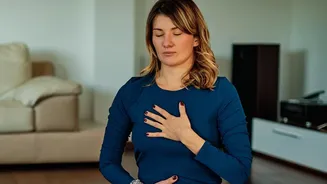


What Is Breath Journaling?
Breath journaling is a mindfulness practice that combines intentional breathing exercises with the reflective act of writing. At its core, it’s a simple two-step process: first, you consciously focus on your breath for a few minutes to center yourself.
Second, you write down observations about your physical sensations, thoughts, and feelings. This isn’t about writing elaborate entries; it’s about creating a dedicated log of your internal state. The goal is to build a stronger connection between your mind and body, using your breath as an anchor and a pen and paper as a tool for understanding what’s happening within you. By tracking your breathing patterns and the thoughts that arise, you can begin to notice subtle shifts and patterns that affect your mood and focus.
The Benefits of a Simple Habit
The power of breath journaling lies in its simplicity and the synergy between its two components. Conscious, paced breathing is known to help activate the body’s relaxation response, reducing physiological markers of stress. When you slow down to write about your experience, you give your brain a single task to focus on, which naturally quiets mental chatter and reduces feelings of being overwhelmed. This practice enhances what experts call interoceptive awareness—the ability to sense your body's internal signals. Over time, this heightened awareness can lead to improved emotional regulation, better focus, and a clearer understanding of your personal triggers and distractions. It turns fleeting moments of mindfulness into tangible data you can use for personal growth.
A 5-Minute Guide to Get Started
The beauty of this method is its accessibility. You don’t need any special equipment—just a notebook, a pen, and five minutes of uninterrupted time. Here’s a simple way to begin: 1. Find a Quiet Space: Sit comfortably where you won't be distracted. 2. Breathe Intentionally (2 minutes): Close your eyes and focus on your breath. Inhale slowly through your nose for a count of four, and exhale slowly through your mouth for a count of six. Notice the sensation of air filling your lungs and then leaving your body. Don’t try to force anything; just observe. 3. Write Freely (3 minutes): Open your notebook and jot down whatever comes to mind. Don't worry about grammar or making it perfect. The goal is to let your thoughts flow without judgment. This act of 'offloading' thoughts onto paper can create a sense of relief and mental space.
Simple Prompts to Begin
If you feel stuck on what to write, prompts can provide a helpful starting point. They are designed to guide your reflection and deepen your self-awareness. Try answering one of these questions after your initial breathing exercise: How does my breath feel right now? (e.g., shallow, deep, fast, slow). What thoughts are distracting me at this moment? Where am I feeling tension in my body? What one feeling is most present for me right now? * What do I need to release in order to feel more focused? These prompts aren't meant to be rigid assignments. They are simply invitations to check in with yourself honestly and compassionately.
Making It a Consistent Practice
Like any new habit, consistency is more important than intensity. Aim for short, regular sessions rather than long, infrequent ones. Try linking your breath journaling to an existing part of your routine, such as right after you wake up or just before you go to bed. Keeping your notebook and pen in a visible, easily accessible place can serve as a visual reminder. Re-reading your past entries can also be a powerful motivator. Over time, you’ll have a concrete record of your progress, showing you how far you’ve come in your ability to manage stress and cultivate focus. The key is to keep the practice simple and remove as many barriers as possible.