
The Main Square: Jemaa el-Fna, Marrakech
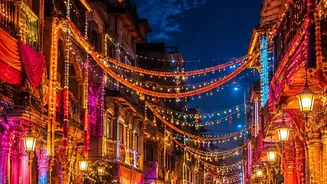
The Jemaa el-Fna square is the undeniable heart of Marrakech, a UNESCO-recognized stage of storytellers, musicians, and performers. By day, it’s a bustling market with juice stalls; by night, it transforms into a massive open-air dining room under lantern
light. However, its fame comes with drawbacks. The sheer number of tourists can be overwhelming, and aggressive sales tactics are common. You may encounter persistent henna artists, unsolicited guides, or performers with monkeys and snakes who demand high fees for photos, which can create uncomfortable situations and raise ethical concerns.
The Alternative: Local Squares and Quieter Medinas
For a similar but less intense energy, explore the smaller squares within Marrakech’s medina, away from the main thoroughfare. Or, consider spending more time in the medina of Fes or Meknes. Fes, while also a major city, has a medina so vast and labyrinthine that it retains a deeply traditional, functional character where local life often overshadows tourism. For an even more relaxed feel, the walled medina of Tetouan, another UNESCO World Heritage site, is a hub of everyday Moroccan life, with souks catering primarily to locals rather than tourists. These places offer a glimpse into the rhythm of the city without the constant pressure.
The Blue City: Chefchaouen
Nestled in the Rif Mountains, Chefchaouen's blue-washed streets are an Instagram sensation. The town is undeniably beautiful, a picture-perfect maze of azure alleys and doorways. This photogenic quality, however, has made it a victim of its own success. The small town is often overrun with visitors, turning narrow lanes into queues for the perfect selfie. The focus can feel less about experiencing the town's culture and more about capturing an image, with many shops catering exclusively to tourist souvenirs rather than local goods.
The Alternative: Other Painted Towns and Mountain Villages
If you're seeking picturesque streets without the crowds, consider the coastal town of Asilah. It is known for its whitewashed walls adorned with murals from an annual arts festival, offering a different but equally artistic vibe with far fewer visitors. Alternatively, explore other towns in the Rif Mountains or the High Atlas Mountains. Villages in the Aït Bouguemez Valley, known as 'Happy Valley', provide stunning natural scenery and insight into traditional Berber life. For a different coastal charm, the town of Essaouira offers a beautiful historic rampart and a vibrant art scene, though its beach can be quite windy.
The Sahara Tour: Generic Desert Camps
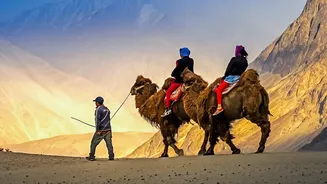
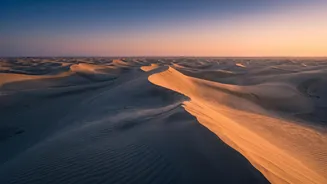
An overnight trip to the Sahara Desert to sleep under the stars is a bucket-list item for many. The experience often involves a sunset camel trek and a night in a Berber-style camp. However, the popularity of this adventure means that many 'luxury' camps near popular dune areas like Erg Chebbi can be clustered together. This can shatter the illusion of remote desert solitude when you can see and hear several other large tour groups nearby. The experience, while enjoyable, can sometimes feel more like a standardized production than a unique adventure.
The Alternative: Seeking Authentic Desert Experiences
To find a more genuine desert experience, it pays to do your research. Look for smaller, family-run, or eco-conscious camps that are located further away from the main hubs of Merzouga. Seeking out tours that focus on cultural immersion, such as spending time with Berber families or exploring lesser-known oasis communities like the Fint Oasis, can provide a more meaningful connection. Many reputable local tour operators specialise in creating personalised and authentic desert itineraries that go beyond the standard package, allowing for a truly memorable journey into the Sahara.