


Beloved for its quick-cooking nature and nutty, mild flavour, moong dal is a cornerstone of Indian cuisine. This guide demystifies this versatile lentil, offering essential tips and a perfect recipe for crispy, protein-packed moong dal tikki.
Understanding Moong Dal
Moong dal
is more than just one type of lentil; it comes in a few common forms. The most widely used is the yellow split version (dhuli moong dal), which is the whole green mung bean that has been skinned and split. This variety is known for being incredibly easy to digest and cooks very quickly, making it a weeknight favourite. You may also find split moong dal with the skin on (chilka moong dal) and whole green mung beans (sabut moong). While they can be used in many of the same dishes, their cooking times and textures will differ. For most classic recipes like simple dal or tikki, the yellow split variety is the go-to choice for its ability to break down into a creamy, comforting texture.
Essential Recipe Notes
To get the best results with moong dal, a few simple steps make all the difference. First, always rinse the dal under running water three to five times, or until the water runs clear. This removes excess starch and any debris, leading to a cleaner flavour. Soaking is another key step. While not always mandatory for the quick-cooking yellow dal, soaking for at least 30 minutes to a few hours helps it cook more evenly and makes it even easier to digest. For recipes like tikki, soaking for 2-4 hours is ideal. When cooking, be mindful not to overcook the dal, which can make it sticky. A well-cooked dal should be soft and easily mashed with a spoon.
The Perfect Moong Dal Tikki
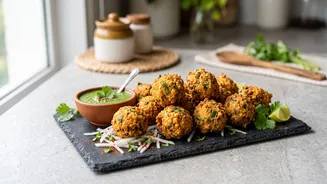
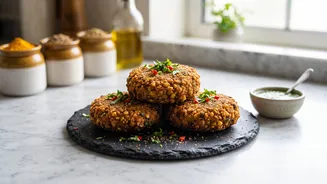
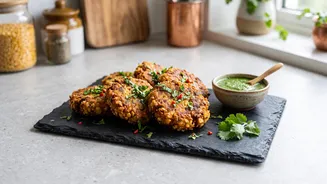
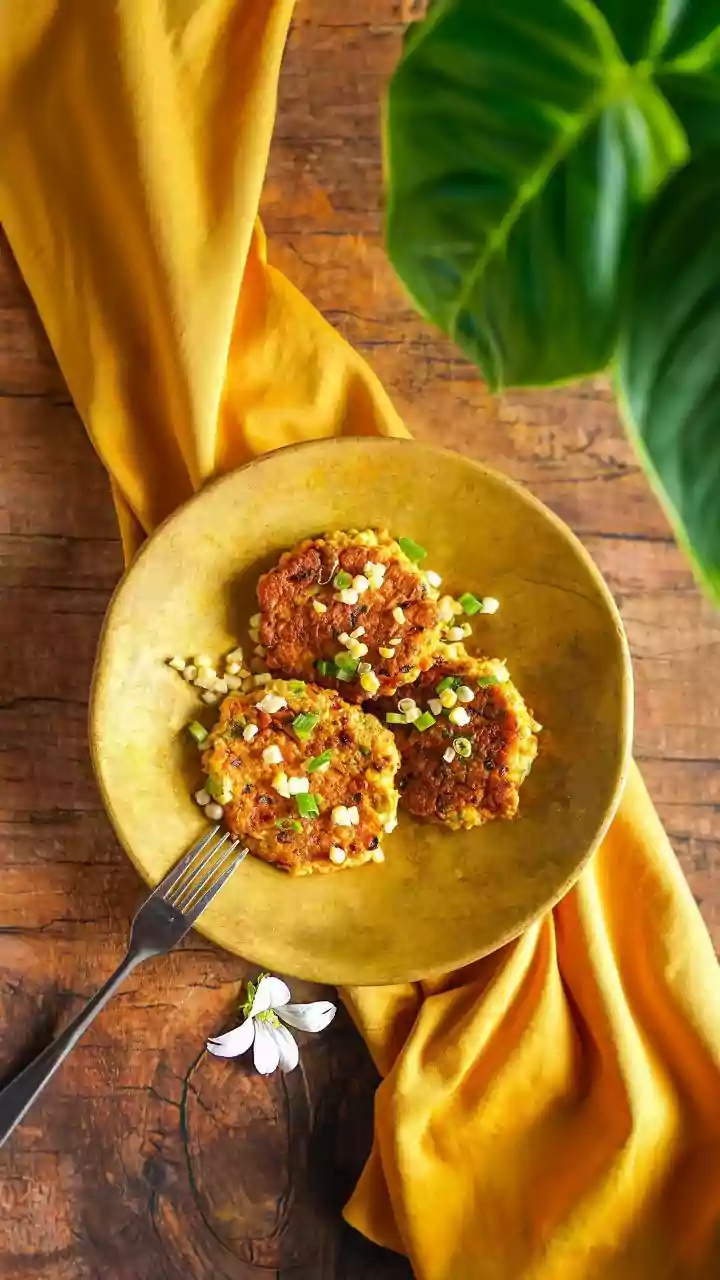
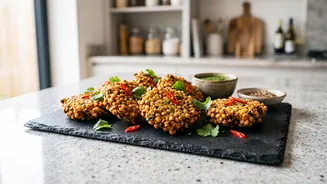
Moong Dal Tikki is a fantastic protein-rich snack that is crispy on the outside and soft within. It’s a popular choice for an evening snack or party appetiser. The process involves grinding soaked dal into a coarse paste, mixing it with spices and herbs, and then shallow-frying the patties until golden brown. The texture of the ground dal is important; it should be coarse, not a completely smooth puree, to give the tikkis some body. Some recipes suggest adding a binder like rice flour or breadcrumbs to ensure the tikkis hold their shape and get extra crispy.
Ingredients for Crispy Tikki
For this classic snack, you will need about one cup of yellow moong dal, which you will soak for at least 2–3 hours. The flavour base comes from finely chopped aromatics: one small onion, a couple of green chillies, and about a teaspoon each of grated ginger and garlic. For the spices, gather half a teaspoon of turmeric powder, half a teaspoon of red chilli powder (adjusted to your taste), one teaspoon of cumin powder, and salt. Many recipes also recommend adding fresh coriander, chaat masala, and a squeeze of lemon juice for extra brightness. You'll also need oil for shallow frying.
Step-'by'-Step Tikki Instructions
First, thoroughly wash and soak the moong dal for about three hours. Drain the water completely and transfer the dal to a blender. Grind it into a coarse paste without adding water. Move the paste to a mixing bowl and add your chopped onion, green chillies, ginger, garlic, and all the powdered spices and salt. Mix everything until well combined. Lightly grease your palms with oil and take a small portion of the mixture, rolling it into a ball and then gently flattening it to form a patty or tikki. Heat oil in a nonstick pan over a medium flame. Carefully place the tikkis in the pan and shallowfry them, flipping once, until both sides are golden brown and crisp. Drain on an absorbent paper and serve hot.
Beyond the Tikki:' Other Recipes
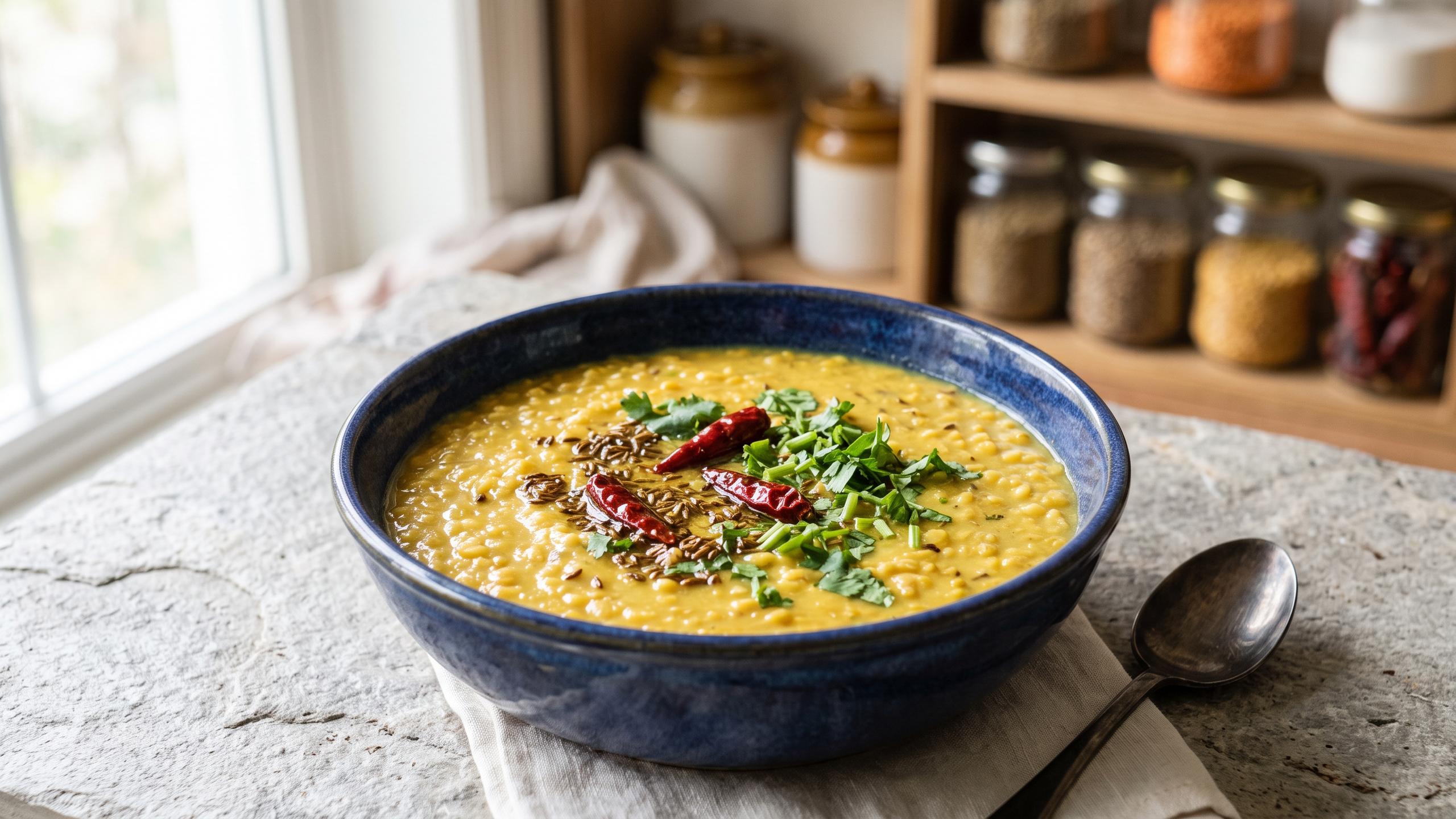
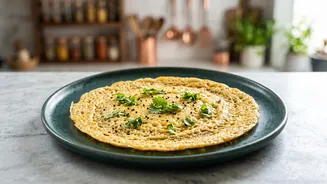
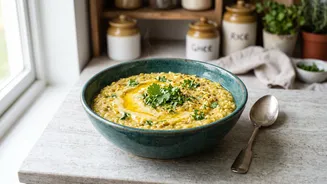
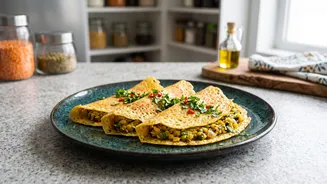
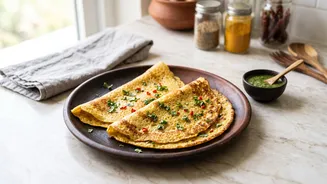
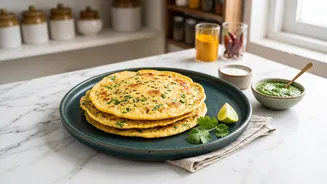
The versatility of moong dal doesn''t end with tikkis. It is the star of many other beloved Indian dishes. The most common is a simple Dal Tadka or Dal Fry, where the cooked dal is tempered with spices like cumin seeds, garlic, and dried red chillies bloomed in hot ghee or oil. Moong dal is also used to make Moong Dal Cheela, a savoury pancake similar to a dosa, and is a key ingredient in Khichdi, a comforting onepot dish of rice and lentils. For a sweet treat,' it can be transformed into Moong Dal Halwa or Payasam.