






A Journey Through 'Green Spain'
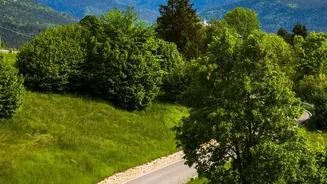
Forget the sun-baked plains and flamenco dancers of Andalusia. The Transcantabrico's route showcases 'España Verde,' or Green Spain, a lush, temperate world of rolling hills, dramatic sea cliffs, and verdant valleys. This region, comprising Galicia, Asturias,
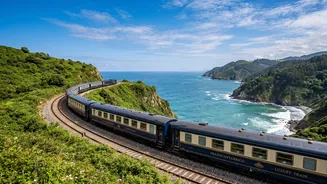
Cantabria, and the Basque Country, boasts a culture and climate more akin to Ireland than Madrid. The train's path is a deliberate immersion into this distinct identity, following the Bay of Biscay coast to offer a perspective on Spain that defies stereotypes. The journey is intentionally slow, allowing passengers to absorb the ever-changing landscape where majestic mountains meet the wild Cantabrian Sea.
Following a Historic Industrial Lifeline
The route isn't just scenic; it's historic. The Transcantabrico travels on a narrow-gauge railway line that was once a vital artery for the region's industrial past. Operated for decades by the state-owned company FEVE (Ferrocarriles de Vía Estrecha), these tracks were originally built to transport coal and other resources from the mountainous interior to the coastal ports. In 1982, this network was ingeniously repurposed for tourism, giving birth to the Transcantabrico. The narrow tracks allow the train to navigate the rugged terrain and snake through landscapes inaccessible to standard trains, offering a unique and intimate view of the region. Riding these rails means you're literally following the path that shaped northern Spain's modern history.
A Masterclass in Gastronomy
The decision to traverse the northern coast is as much about taste as it is about sights. This region is arguably Spain's culinary heartland, a place where food is deeply woven into the cultural fabric. From the sophisticated 'pintxos' of San Sebastián and Bilbao in the Basque Country to the hearty 'fabada' bean stews of Asturias and the fresh seafood of Galicia, the route is a pilgrimage for food lovers. The train's itinerary is designed as a gastronomic tour, with meals served both in its elegant dining cars and at acclaimed local restaurants along the way. It celebrates the local specialties of each province, from cave-aged cheeses to sparkling apple cider, ensuring the journey is a feast for the palate.
A String of Cultural and Natural Pearls
The route is meticulously planned to connect a string of cultural and natural treasures. Passengers disembark for guided excursions to essential landmarks that define the identity of Green Spain. These stops include the futuristic Guggenheim Museum in Bilbao, the prehistoric artistry of the Altamira Caves in Cantabria, the stunning Romanesque and pre-Romanesque churches of Oviedo, and the magnificent cathedral in Santiago de Compostela, the final destination for countless pilgrims. The journey also ventures into breathtaking natural spaces like the Picos de Europa National Park, a dramatic limestone massif with glacial lakes and rugged peaks. Each stop is chosen to provide a deep and authentic immersion into the art, history, and natural splendor of the north.