




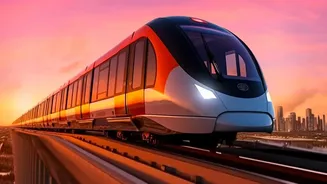
The Tangible Future of Travel
For years, the bullet train has been a concept discussed in terms of plans, pillars, and project reports. Now, it has a physical form. Union Railway Minister Ashwini Vaishnaw confirmed in early September 2026 that the first coach manufactured for testing
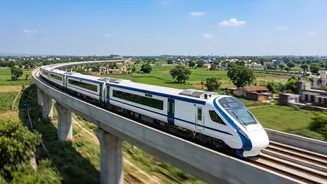
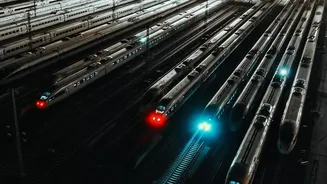
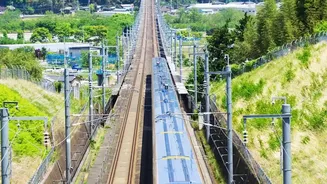
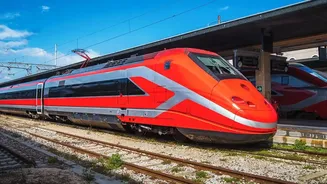
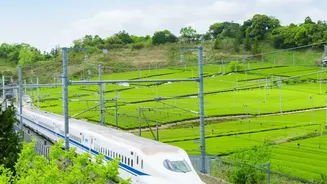
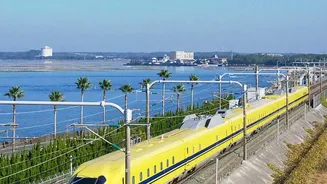
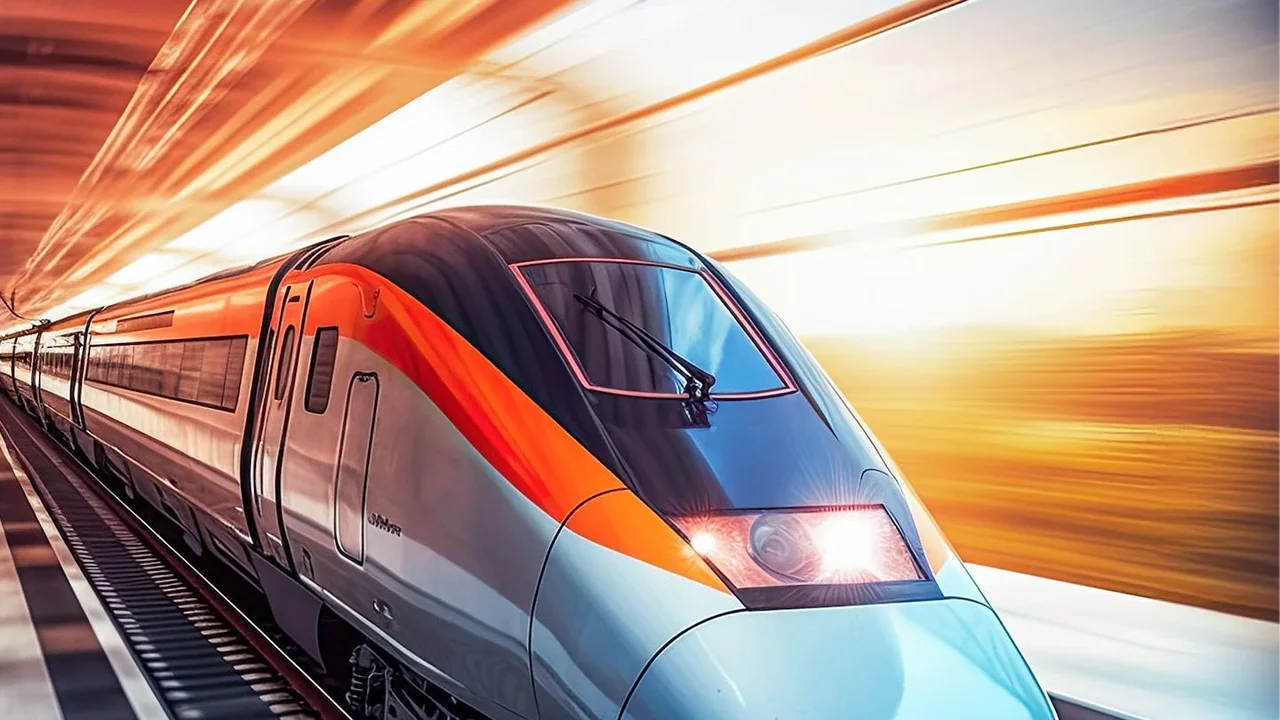
purposes is complete. This isn't just any railway car; it's a precursor to the fleet of E5 Series Shinkansen trains that will soon connect Mumbai and Ahmedabad. Known for their iconic long-nose design, which minimizes noise when entering tunnels, these trains are a marvel of Japanese engineering. The E5 series is globally recognized for its impeccable safety record and operational efficiency, capable of hitting speeds of 320 km/h. While the initial coaches will be imported from Japan, the collaboration includes technology sharing, paving the way for future domestic manufacturing capabilities. The arrival of this test coach allows engineers to move from simulation to real-world trials, a critical phase before any public launch.
Why Surat-Bilimora Is First
The entire 508-kilometre Mumbai-Ahmedabad High-Speed Rail (MAHSR) corridor is a massive undertaking. To make the project manageable and deliver results sooner, the National High Speed Rail Corporation Limited (NHSRCL) has adopted a phased approach. The first section slated to become operational is the approximately 50-kilometre stretch between Surat and Bilimora in Gujarat, with a target launch of August 2027. This segment was chosen strategically. A significant portion of the construction, including the erection of viaducts and piers, has progressed rapidly in Gujarat. By focusing on getting this stretch ready, authorities can conduct extensive trials and begin commercial operations on a smaller scale, gathering valuable operational data. Following the Surat-Bilimora launch, the plan is to incrementally open subsequent sections, such as Vapi to Surat and then Vapi to Ahmedabad, before finally completing the more challenging link to Mumbai.
More Than Just Speed
The bullet train promises to slash the travel time between Ahmedabad and Mumbai to just under two hours for limited-stop services, a journey that currently takes several hours by conventional rail or road. But the project’s impact goes far beyond speed. The Shinkansen system is renowned for its safety, boasting features like advanced anti-derailment mechanisms and automatic braking systems. The corridor is being built with modern amenities in mind, with 12 state-of-the-art stations planned along the route. These stations are being designed as multimodal hubs, seamlessly connecting with other forms of transport like local trains, metro lines, and bus services. The project is also an economic catalyst, creating over one lakh jobs during the construction phase and expected to spur development and real estate growth in the towns and cities it connects.
The Long Road Ahead
While the 2027 target for the first section is a significant and encouraging goal, completing the entire 508-km corridor remains a complex challenge. Much of the construction in Gujarat has proceeded at a remarkable pace. However, progress in Maharashtra has faced hurdles, including land acquisition and the construction of complex structures like a 7-km undersea tunnel. As of late 2026, pier work has been completed on over 453 km and viaducts on over 359 km of the corridor, showing steady progress. Officials have noted that while civil works on some sections are nearing completion, the subsequent stages of laying tracks, installing overhead power lines, and integrating advanced signalling systems require immense precision and time. Therefore, while the first bullet train ride may be on the horizon for 2027, the full linking of Mumbai and Ahmedabad is anticipated closer to 2029.