







The Global Forecast: A Volatile Outlook
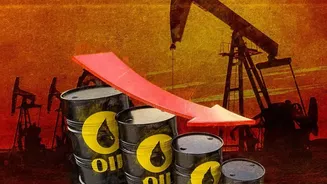
S&P Global Energy projects that crude oil prices will likely remain elevated, staying broadly within the $80 to $100 per barrel range through 2027. The agency raised its forecast for the remainder of 2026 to around $90 per barrel or higher and projects an average
of $86 per barrel in 2027. This outlook is heavily influenced by geopolitical tensions and supply disruptions in West Asia. Analysts note that the market's trajectory is highly dependent on the pace of production recovery in the Gulf. Some scenarios from other financial institutions suggest prices could even spike to $125 per barrel if supply disruptions worsen, or drop into the $60s if production recovers faster than expected, highlighting the significant uncertainty ahead.
India's Achilles' Heel: Import Dependency
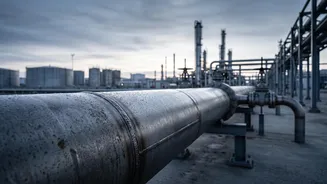
To understand why these global forecasts are so crucial for India, one only needs to look at the country's staggering dependence on foreign oil. India imports between 85% and 90% of its crude oil requirements to meet domestic demand. This heavy reliance makes the Indian economy exceptionally vulnerable to fluctuations in global energy markets. When global prices rise, India's import bill swells, setting off a chain reaction that impacts everything from government finances to the price of everyday goods. This dependency has steadily increased over the years as domestic consumption has outpaced local production, making energy security a persistent challenge.
The Macroeconomic Ripple Effect
A rise in crude oil prices sends immediate shockwaves through India's macroeconomic indicators. The most direct impact is on the Current Account Deficit (CAD), which widens as the country spends more foreign currency on oil imports. A general rule of thumb used by economists is that for every $10 increase in the price of a barrel of oil, India's CAD can widen by a significant margin. This, in turn, puts pressure on the Indian Rupee, as higher demand for US dollars to pay for oil can cause the domestic currency to weaken. Furthermore, the government's fiscal deficit comes under strain. Higher oil prices can increase the subsidy bill for products like LPG and force the government into a difficult trade-off between absorbing the cost or passing it on to consumers, both of which have economic consequences.
Pressure on Indian Businesses
The impact of higher crude prices isn't confined to government balance sheets; it's felt across India's industrial landscape. Crude oil is a critical raw material for a wide range of sectors. Industries like transportation, aviation, paints, chemicals, plastics, and logistics are directly affected by rising input costs. For these businesses, expensive oil squeezes profit margins, making production and operations costlier. This can lead to reduced investment, slower manufacturing activity, and decreased investor confidence. While oil-producing companies might see their stock prices rise, many other sectors face significant headwinds, potentially slowing down overall industrial and economic growth.
What It Means For Your Wallet
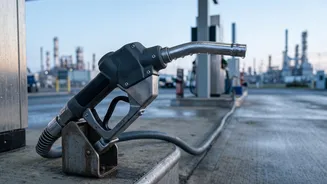
Ultimately, the macroeconomic shifts translate into tangible effects on the household budget. The most obvious impact is at the petrol pump, with higher crude prices leading to more expensive petrol and diesel. But the effects go much further. Because diesel is the lifeblood of India's transport sector, which moves everything from food to consumer goods, higher fuel costs lead to increased transportation charges. This contributes directly to broad-based inflation, making vegetables, groceries, and other essential items more expensive. The Reserve Bank of India estimates that a 10% rise in crude oil prices can lead to a direct increase in the Consumer Price Index (CPI) inflation by about 0.3%. This erosion of purchasing power means that every household feels the pinch of volatile global energy markets.