









Understanding Your Opponent: What Is Dust?
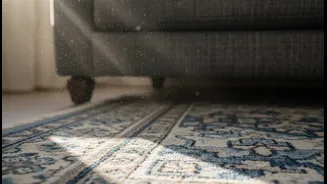
Before you can effectively fight dust, it helps to know what it is. Household dust is a mix of many things: dead skin cells, fabric fibers from clothes and furniture, pet dander, pollen, and dirt tracked in from outside. Roughly 60% of it originates outdoors
and finds its way in on your shoes, clothes, or through open windows. Because these sources are constant, dust accumulation is inevitable. This is why a consistent, manageable cleaning strategy is more effective than sporadic, all-day cleaning marathons. The goal isn't to eliminate dust forever—an impossible task—but to keep it under control with minimal stress.
Assemble the Right Anti-Dust Tools
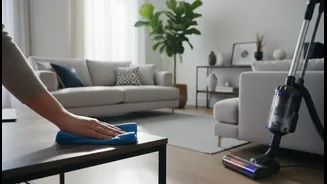
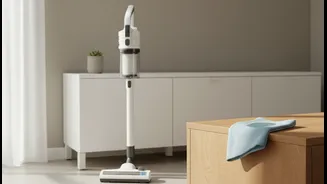
Using the right equipment is half the battle. Old-fashioned feather dusters and dry cotton cloths often just push dust into the air, allowing it to resettle elsewhere. To truly capture and remove dust, you need tools that trap particles. Your essential toolkit should include microfiber cloths, which are exceptionally good at grabbing and holding onto dust. Using them slightly damp is even more effective. An extendable duster with a microfiber head is a game-changer for reaching high surfaces like ceiling fans, light fixtures, and the tops of cabinets. Finally, a good quality vacuum cleaner, ideally one with a HEPA (high-efficiency particulate air) filter, is crucial. HEPA filters trap tiny particles that other vacuums might recirculate into the air.
The Golden Rule: Top-to-Bottom, Dry-to-Wet
The most effective cleaning pros follow a simple order of operations. Always start dusting from the highest point in a room and work your way down. Dust from ceiling fans, light fixtures, and tall shelves will fall onto the furniture and floors below. If you clean your floors first, you’ll just have to clean them again. By working from top to bottom, you ensure you're systematically moving all the dust downward to be captured in the final step. Similarly, always dust before you vacuum. Any particles that are dislodged during dusting will land on the floor, ready to be swept up by the vacuum. This methodical approach prevents you from re-cleaning surfaces and makes your efforts far more efficient.
Your 30-Minute Realistic Weekly Routine
Consistency is more important than intensity. You don't need to spend hours; a focused 30-minute session each week can make a huge difference. Break it down into manageable steps. First, do a quick declutter of surfaces to make them accessible. Then, grab your extendable duster and tackle the high spots: ceiling corners, fans, and light fixtures. Next, use a damp microfiber cloth to wipe down mid-level surfaces like shelves, tables, and electronics. Don’t forget to give window blinds and sills a quick wipe. The final step is the floors. Use your vacuum's attachments to clean baseboards and edges before vacuuming the main floor areas, both carpet and hard surfaces. Sticking to this weekly ritual will prevent the heavy buildup that makes cleaning feel like a monumental project.
Habits That Keep Dust at Bay
Beyond the weekly routine, a few simple habits can significantly reduce dust levels in your home. Washing bedding weekly in hot water helps eliminate the dust mites that thrive in sheets and pillows. Placing doormats at every entrance and adopting a “shoes off” policy can drastically cut down on the amount of dirt and pollen tracked inside. Regularly changing the filters in your HVAC system and air purifiers is also vital, as clogged filters can't effectively pull dust from the air. For those with significant allergies, an air purifier with a HEPA filter can provide an extra layer of defense by continuously capturing airborne particles. These small adjustments, combined with your weekly dusting, create a powerful system for a cleaner home.