






The Gut-Brain Connection
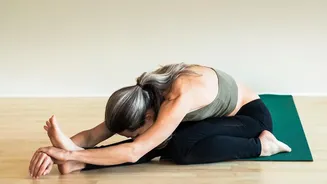
Before diving into the poses, it's helpful to understand why yoga works. Our gut and brain are in constant communication. When we feel stressed, our body enters a 'fight-or-flight' mode, which can slow down digestion and lead to issues like bloating and constipation.
Yoga, through its combination of physical postures and mindful breathing, helps activate the 'rest-and-digest' system. This calms the nervous system, increases blood flow to your abdominal organs, and gently massages the digestive tract, encouraging everything to move along more smoothly.
Cat-Cow Pose (Marjaryasana-Bitilasana)
This gentle, flowing movement is a perfect warm-up that massages your abdominal organs. The rhythmic motion of arching and rounding your back stimulates the stomach and intestines, which can help relieve bloating and general discomfort. How to do it: Start on your hands and knees in a tabletop position, with your wrists directly under your shoulders and knees under your hips. As you inhale, drop your belly towards the floor, lift your chest and tailbone, and look forward (Cow Pose). As you exhale, round your spine toward the ceiling, tucking your chin to your chest (Cat Pose). Continue flowing between these two poses for 8-10 breaths.
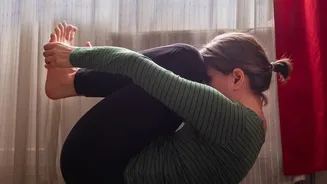
Wind-Relieving Pose (Pawanmuktasana)
The name says it all. This posture is renowned for its ability to help release trapped gas from the digestive system. By compressing the ascending and descending colon, it can provide almost immediate relief from bloating and abdominal pressure. How to do it: Lie on your back and draw both knees toward your chest. Clasp your hands around your shins, just below your knees. Gently hug your knees closer to your body. You can remain still or add a gentle rock from side to side to massage your lower back. Hold for 30 seconds to a minute, breathing deeply into your belly.
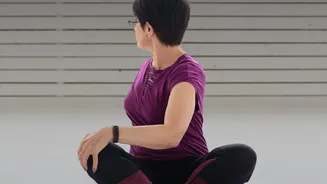
Supine Spinal Twist (Supta Matsyendrasana)
Twisting poses are fantastic for stimulating digestion. A gentle twist compresses your abdominal organs, and upon release, fresh, oxygenated blood flows in. This wringing-out action helps to detoxify organs and encourage movement within the intestines. How to do it: Lie on your back and pull your right knee into your chest. Extend your right arm out to the side at shoulder height. On an exhale, use your left hand to gently guide your right knee across your body to the left side. Try to keep both shoulders flat on the floor. If your knee doesn't touch the ground, you can rest it on a pillow or block. Hold for 5-8 deep breaths, then switch sides.
Bridge Pose (Setu Bandhasana)
Bridge Pose creates a gentle compression in the abdomen and then stretches the area as you lift your hips. This movement can help stimulate the abdominal organs and improve circulation throughout your digestive system. How to do it: Lie on your back with your knees bent and feet flat on the floor, hip-width apart. Your arms should be resting alongside your body with palms down. Press into your feet and lift your hips off the floor. Keep your thighs parallel. For a deeper stretch, you can interlace your fingers underneath your back. Hold for 30 seconds, then slowly lower your spine back to the floor.
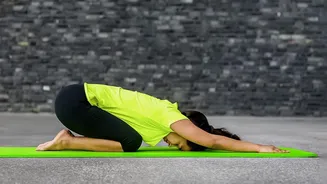
Child's Pose (Balasana)
This is a restorative, calming posture that applies gentle pressure to the abdomen, which can help soothe an upset stomach. It’s an excellent way to finish your routine, as it helps calm the nervous system and allows your body to fully enter that 'rest-and-digest' state. How to do it: Start on your hands and knees. Bring your big toes to touch and spread your knees wide. Sit back on your heels and fold your torso forward between your thighs. Rest your forehead on the mat and let your arms relax forward or alongside your body. Breathe deeply into your belly and back, holding for as long as feels comfortable.